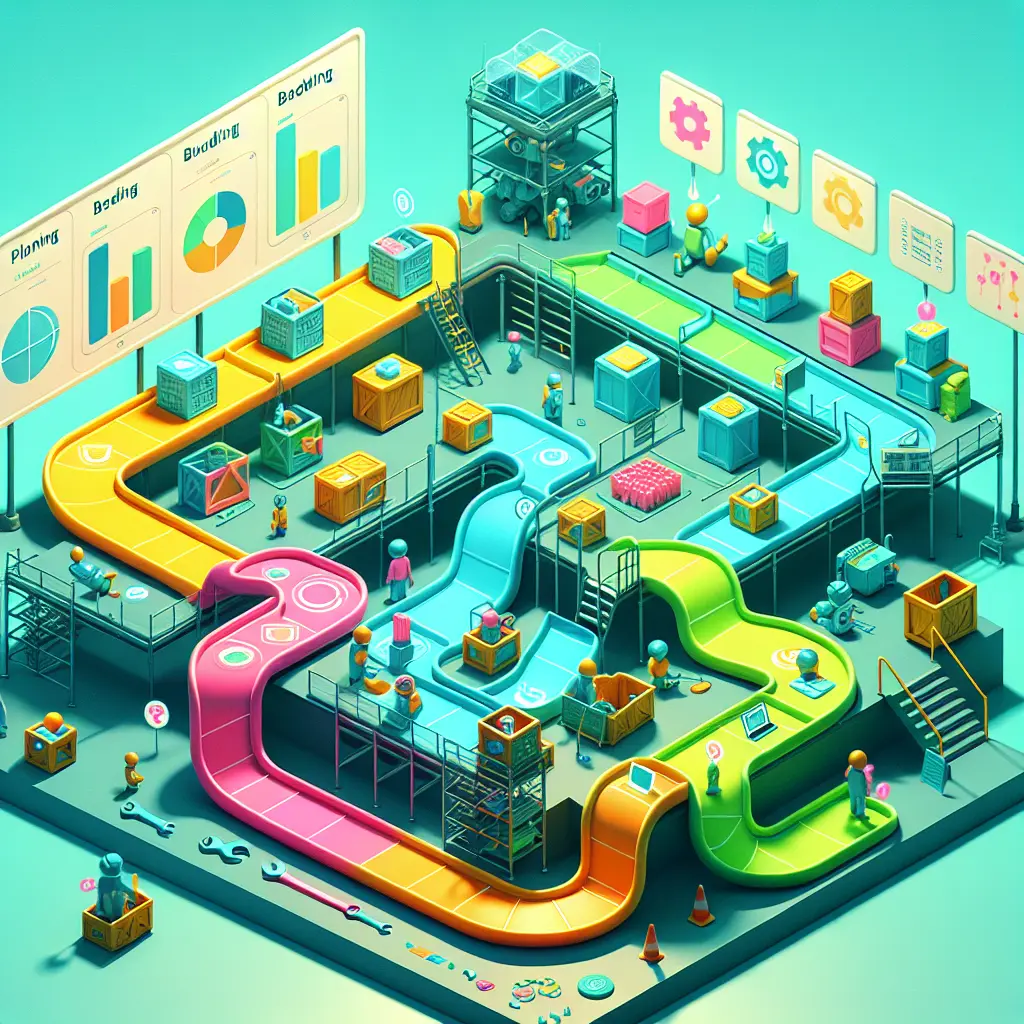
AI-driven game design leverages artificial intelligence to create, adapt, and refine gameplay elements, enhancing player experience and engagement. Procedural content refers to the automatic generation of game assets, such as levels, maps, or characters, using algorithms rather than manual creation. Together, these approaches enable dynamic, personalized, and expansive game worlds, allowing for unique experiences, replayability, and efficient development by reducing the workload on human designers.
AI-driven Game Design & Procedural Content
AI-driven game design leverages artificial intelligence to create, adapt, and refine gameplay elements, enhancing player experience and engagement. Procedural content refers to the automatic generation of game assets, such as levels, maps, or characters, using algorithms rather than manual creation. Together, these approaches enable dynamic, personalized, and expansive game worlds, allowing for unique experiences, replayability, and efficient development by reducing the workload on human designers.
💡 Key Takeaways
- Understand how AI can assist game design workflows (level layout, content variation, and NPC behavior) to speed prototyping.
- Learn the basics of procedural content generation (PCG)—seeds, determinism, randomness, and how these affect replayability.
- Explore how to balance AI-generated content with handcrafted design to preserve game feel and player experience.
- Identify common tools, pipelines, and evaluation approaches for AI-driven game design, including ethical considerations.
❓ Frequently Asked Questions
What is AI-driven game design?
AI-driven game design uses artificial intelligence to assist or automate design tasks—such as level layout, enemy placement, balancing, and player experience optimization—complementing human creativity.
What is procedural content generation (PCG) in games?
PCG uses algorithms to automatically generate game content (levels, items, textures) often with randomness and rules to create variety and replayability.
What are common PCG techniques used in AI-driven game design?
Common techniques include noise-based generation (e.g., Perlin noise), grammar-based generation, cellular automata, evolutionary/genetic algorithms, and constraint-based approaches.
What are key considerations when using AI for game design?
Consider balance between control and randomness, ensure reproducibility and quality, debug AI-generated content, avoid bias, and maintain player fun and agency.