Airplane design innovations refer to the advancements in technology, materials, and engineering that enhance the performance, safety, efficiency, and comfort of modern aircraft. These innovations include aerodynamic improvements, lightweight composite materials, advanced avionics, fuel-efficient engines, and noise reduction technologies. Such developments not only make air travel faster and more environmentally friendly but also improve passenger experience, reduce operational costs, and contribute to the evolution of travel rides in both cars and planes.
Airplane Design Innovations
Airplane design innovations refer to the advancements in technology, materials, and engineering that enhance the performance, safety, efficiency, and comfort of modern aircraft. These innovations include aerodynamic improvements, lightweight composite materials, advanced avionics, fuel-efficient engines, and noise reduction technologies. Such developments not only make air travel faster and more environmentally friendly but also improve passenger experience, reduce operational costs, and contribute to the evolution of travel rides in both cars and planes.
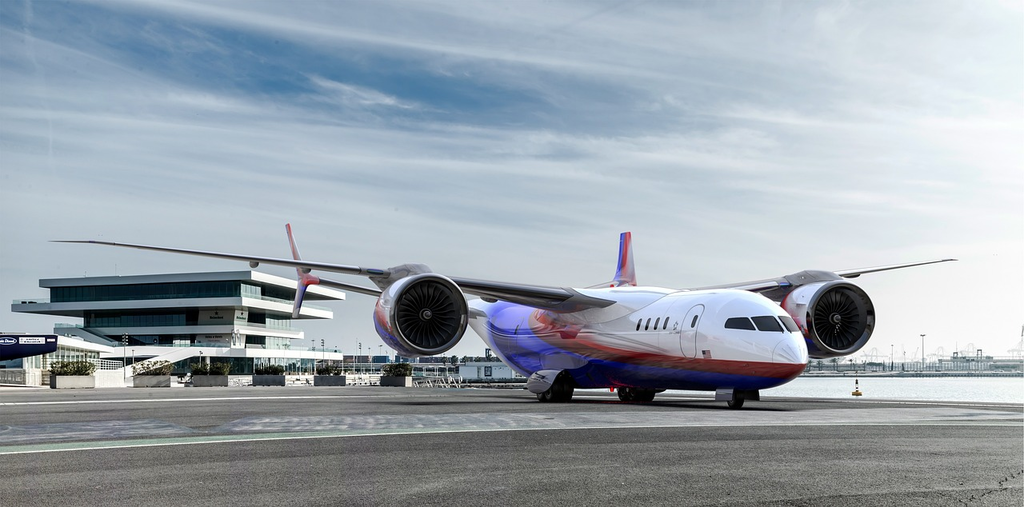
💡 Key Takeaways
- Understand how lightweight materials and composites reduce weight while boosting fuel efficiency.
- Learn how aerodynamic innovations like winglets and optimized wing designs lower drag and improve range.
- Explore propulsion advances, including efficient engines, hybrid/electric concepts, and sustainable fuels, and their impact on aircraft design.
- See how digital design tools, simulations, and additive manufacturing accelerate development and enable rapid prototyping.
❓ Frequently Asked Questions
What are some notable innovations in modern airplane design?
Key innovations include lightweight composite materials (like carbon fiber), winglets or raked wingtips to reduce drag, high-bypass turbofan engines for efficiency, and fly-by-wire electronic flight controls.
What is winglet and why does it matter?
Winglets are small fins at the wingtips that reduce wingtip vortices, cutting drag and improving fuel efficiency.
What are composite materials and why are they used in airplanes?
Composites, such as carbon fiber-reinforced polymers, offer high strength with low weight, resist corrosion, and allow flexible shapes, boosting efficiency and performance.
What is fly-by-wire and why is it innovative?
Fly-by-wire replaces mechanical linkages with electronic controls and computer processing, enabling stability augmentation, protections, and potential weight reduction.
Why are high-bypass turbofan engines common in modern airliners?
They provide more thrust with less fuel, leading to higher fuel efficiency, lower emissions, and quieter operation compared to older engine designs.