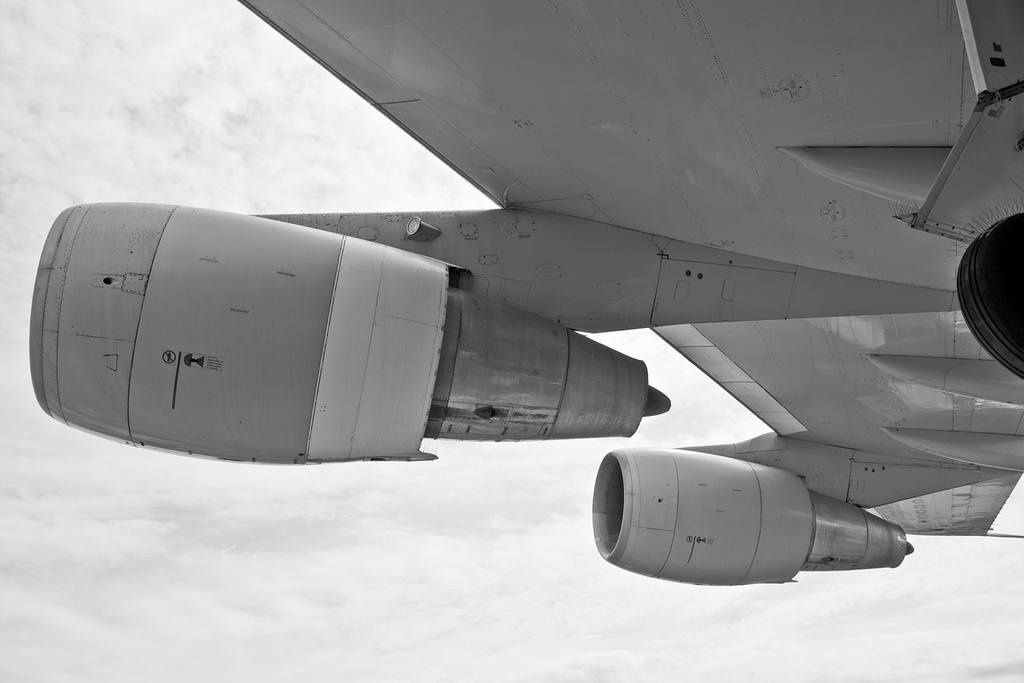
Airplanes are primarily used for long-distance travel, enabling people to quickly move between cities, countries, and continents. Unlike cars, which are ideal for short to medium journeys on roads, airplanes excel at covering vast distances in a fraction of the time. They are essential for international travel, business trips, and vacations, offering speed, convenience, and the ability to access remote or otherwise inaccessible destinations efficiently.
Airplane Uses+45
Airplanes are primarily used for long-distance travel, enabling people to quickly move between cities, countries, and continents. Unlike cars, which are ideal for short to medium journeys on roads, airplanes excel at covering vast distances in a fraction of the time. They are essential for international travel, business trips, and vacations, offering speed, convenience, and the ability to access remote or otherwise inaccessible destinations efficiently.
💡 Key Takeaways
- Identify the main ways airplanes are used (passenger transport, freight, and specialized services)
- Explain how air travel supports global commerce, tourism, and connectivity
- Describe different aircraft types and their typical roles (commercial jets, cargo planes, helicopters, emergency aircraft)
- Understand how aviation assists in disaster response, medical evacuations, and humanitarian aid
❓ Frequently Asked Questions
What are the main uses of airplanes?
Airplanes are primarily used for passenger and cargo transport; they also support military operations, emergency medical services, firefighting, agriculture (crop dusting), aerial surveying/photography, and scientific research.
What is air cargo and how do airplanes support it?
Air cargo moves goods quickly by air. Planes carry freight in dedicated cargo holds or on the main deck, enabling fast international shipping and time-sensitive delivery.
How do airplanes contribute to emergency services?
Air ambulances transport patients to hospitals quickly; firefighting aircraft drop water or fire retardant; and aircraft assist in search and rescue and disaster response.
What is the difference between passenger planes and cargo planes?
Passenger planes are configured with seating and cabins for people, while cargo planes prioritize freight capacity with large cargo holds and little or no passenger seating.