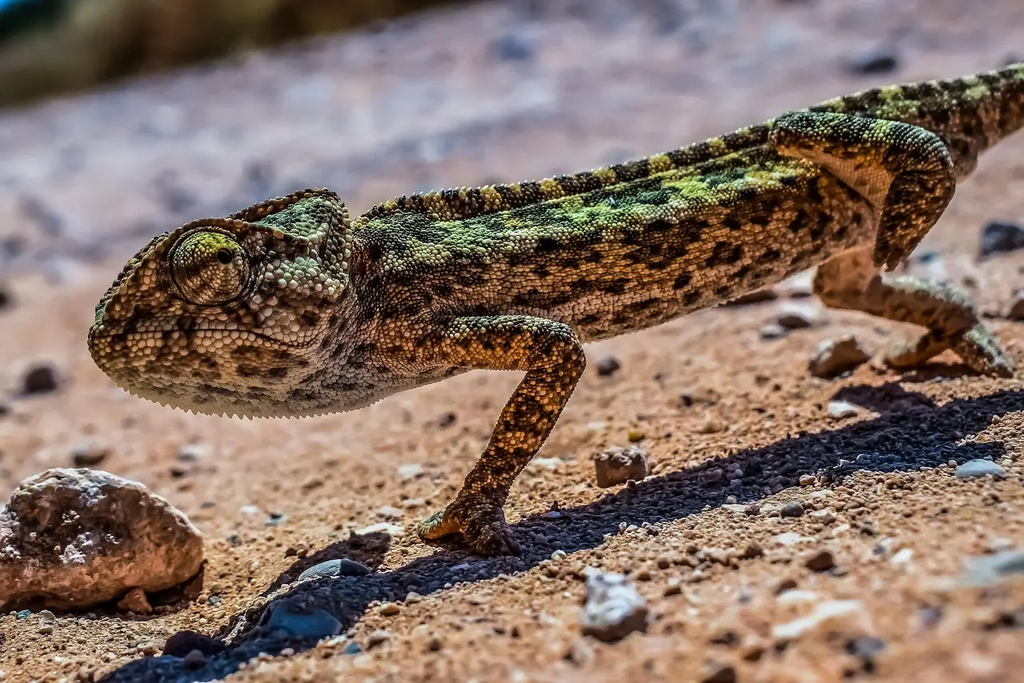
Amphibians are a diverse group of cold-blooded vertebrates within the animal kingdom, including frogs, toads, salamanders, and newts. They typically begin life in water with gills and later develop lungs for breathing air as adults. Amphibians have moist, permeable skin that aids in respiration and requires them to live in or near aquatic environments. They play crucial roles in ecosystems as both predators and prey, and are sensitive indicators of environmental health.
Amphibians
Amphibians are a diverse group of cold-blooded vertebrates within the animal kingdom, including frogs, toads, salamanders, and newts. They typically begin life in water with gills and later develop lungs for breathing air as adults. Amphibians have moist, permeable skin that aids in respiration and requires them to live in or near aquatic environments. They play crucial roles in ecosystems as both predators and prey, and are sensitive indicators of environmental health.
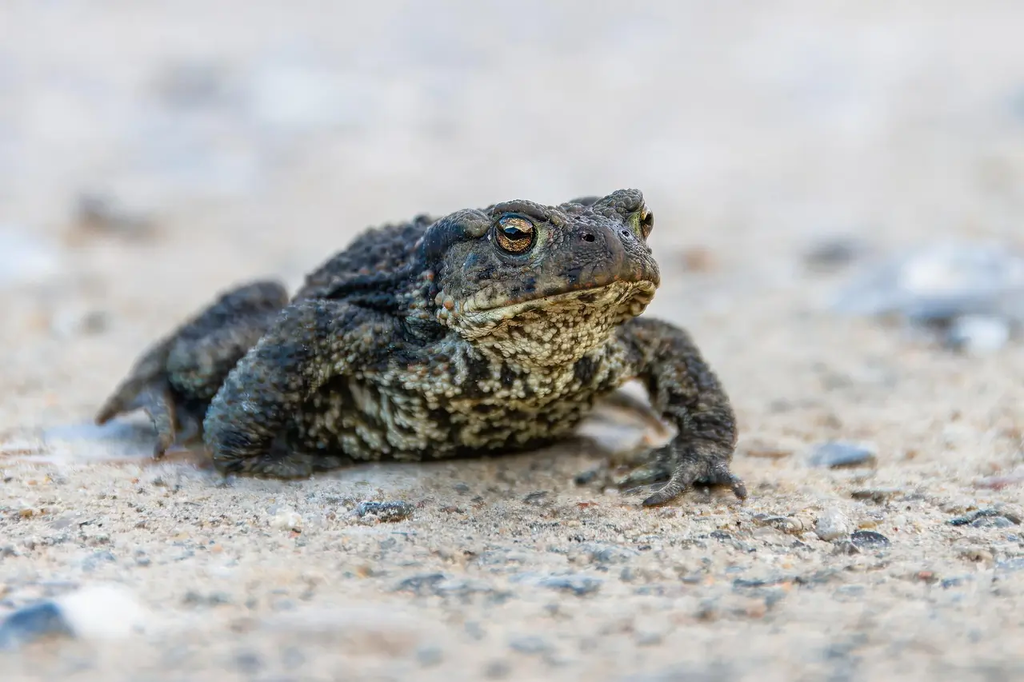
💡 Key Takeaways
- Define what makes an animal an amphibian and name the major groups (frogs and toads, salamanders and newts, and caecilians).
- Describe the typical amphibian life cycle, from aquatic eggs to larval stages and metamorphosis into adults (with note on paedomorphosis in some species).
- Explain amphibian skin characteristics—permeable skin, respiration across the skin, and the importance of keeping the skin moist for survival.
- Identify common amphibian habitats and their roles in ecosystems, including their role in insect control and as part of the food web.
- Recognize major threats to amphibians (habitat loss, pollution, climate change, disease) and basic conservation approaches to protect them.
❓ Frequently Asked Questions
What are amphibians?
Amphibians are vertebrates that typically live part of their lives in water and part on land, including frogs, toads, salamanders, and caecilians. They usually have moist skin and lay eggs in watery environments.
How do amphibians breathe?
They breathe with gills as juveniles, lungs as adults, and often through their moist skin. Some species also rely more on skin respiration than lungs.
What is metamorphosis in amphibians?
Most amphibians begin life as eggs laid in water that hatch into aquatic larvae (tadpoles) with gills and tails, then transform into adults with legs and lungs.
What habitats do amphibians need?
They require moist environments to keep their skin hydrated and nearby water bodies for reproduction. They are sensitive to pollution and habitat loss.