Ancient civilizations refer to early, highly organized societies known for their cultural, technological, and architectural achievements. Famous examples include Ancient Egypt, recognized for its pyramids and hieroglyphs; Mesopotamia, known as the "cradle of civilization" with its cuneiform script; the Indus Valley, notable for urban planning; Ancient China, famous for the Great Wall; and the Maya, celebrated for their calendar and pyramids. Identification relies on artifacts, writing systems, and monumental structures.
Ancient Civilizations: Famous Examples & Identification
Ancient civilizations refer to early, highly organized societies known for their cultural, technological, and architectural achievements. Famous examples include Ancient Egypt, recognized for its pyramids and hieroglyphs; Mesopotamia, known as the "cradle of civilization" with its cuneiform script; the Indus Valley, notable for urban planning; Ancient China, famous for the Great Wall; and the Maya, celebrated for their calendar and pyramids. Identification relies on artifacts, writing systems, and monumental structures.
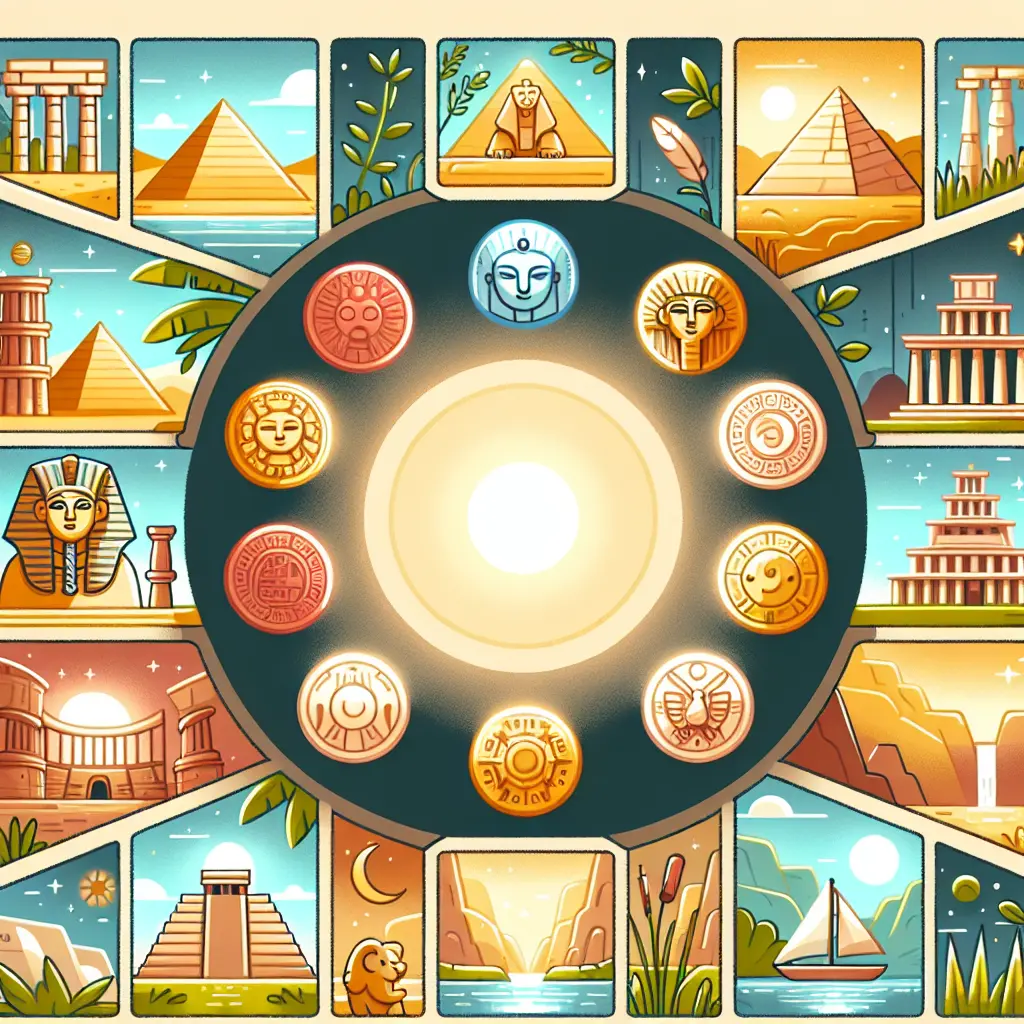
💡 Key Takeaways
- Identify famous ancient civilizations (e.g., Ancient Egypt and Mesopotamia) and their defining features.
- Describe major achievements such as pyramids, hieroglyphs, and cuneiform writing.
- Explain how geography (rivers, climates, trade routes) shaped each civilization’s development and interactions.
- Compare the cultural, political, and technological legacies of these civilizations.
❓ Frequently Asked Questions
What defines an ancient civilization?
A society with organized government, cities, writing, religion, and lasting cultural achievements.
What features identify Ancient Egypt in a quiz?
Pyramids, hieroglyphs, the Nile, pharaohs, temples, and mummies.
What is cuneiform and which civilization used it?
A wedge-shaped writing system developed by the Sumerians in Mesopotamia; later used by Akkadians, Babylonians, and Assyrians.
Where was Mesopotamia located and what were its hallmark features?
Between the Tigris and Euphrates in the Fertile Crescent; city-states, ziggurats, irrigation, and cuneiform tablets.
What does the term 'cradle of civilization' refer to?
The Mesopotamian region (modern Iraq and nearby areas) as one of the earliest centers of writing, law, and urban life.