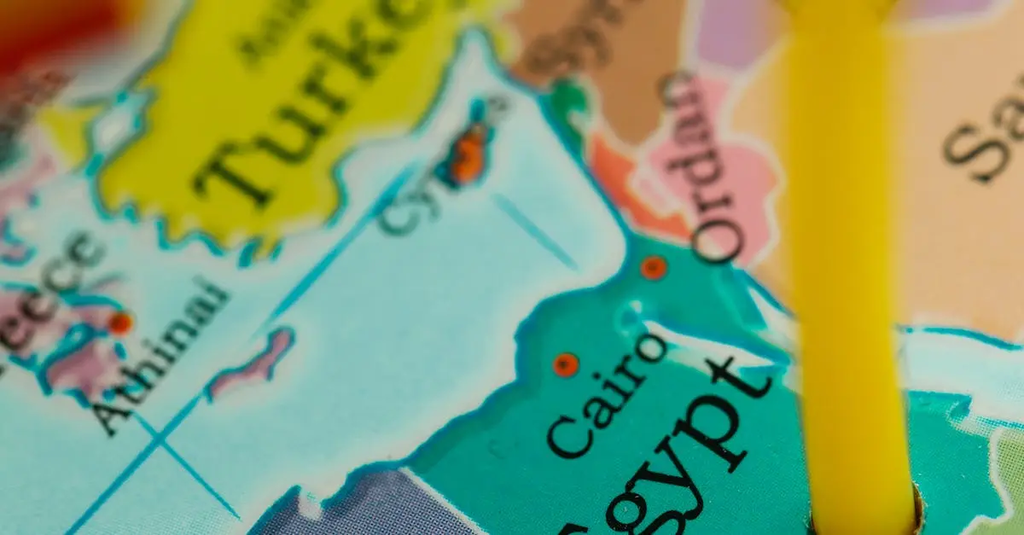
"Ancient Civilizations: Historical & Cultural Context" refers to the study of early societies, exploring their origins, development, and influence on the world. It encompasses the examination of social structures, belief systems, technological advancements, and artistic achievements within historical frameworks. Understanding these contexts reveals how ancient peoples shaped their environments, interacted with neighboring cultures, and laid the foundations for modern societies through their enduring legacies and contributions to human knowledge.
Ancient Civilizations: Historical & Cultural Context
"Ancient Civilizations: Historical & Cultural Context" refers to the study of early societies, exploring their origins, development, and influence on the world. It encompasses the examination of social structures, belief systems, technological advancements, and artistic achievements within historical frameworks. Understanding these contexts reveals how ancient peoples shaped their environments, interacted with neighboring cultures, and laid the foundations for modern societies through their enduring legacies and contributions to human knowledge.
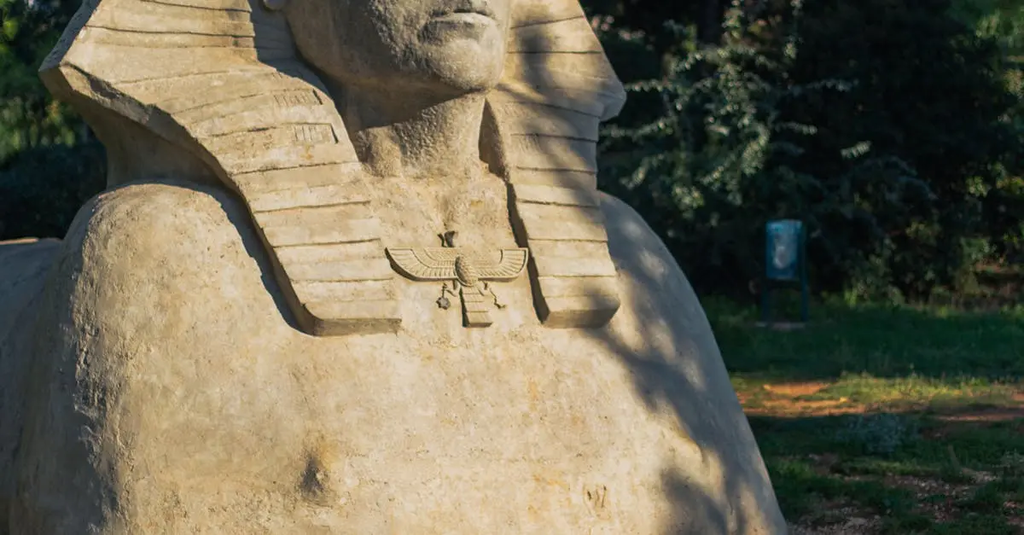
💡 Key Takeaways
- Identify major ancient civilizations and where they were located.
- Explain how social structures and governance shaped daily life.
- Describe core belief systems, religious practices, and their cultural influence.
- Highlight major technological innovations and artistic achievements and their legacies.
❓ Frequently Asked Questions
What defines an ancient civilization?
A complex society with organized government, social hierarchies, urban centers, writing or record-keeping, and lasting cultural or technological development.
How can we trace the influence of ancient civilizations on other regions?
By studying trade networks, diffusion of technologies and ideas, shared writing systems, and material culture like pottery, architecture, and monuments.
Why were belief systems important in ancient civilizations?
They guided laws, governance, rituals, education, and daily life, and often helped legitimize rulers and organize society.
What were key innovations that supported the rise of civilizations?
Irrigation and farming innovations, domestication of plants and animals, metallurgy, and the creation of surplus that enabled cities and complex administration.
How do historians study ancient art and culture?
By analyzing artifacts, sculpture, architecture, inscriptions, and artistic styles to understand religion, values, and social roles.