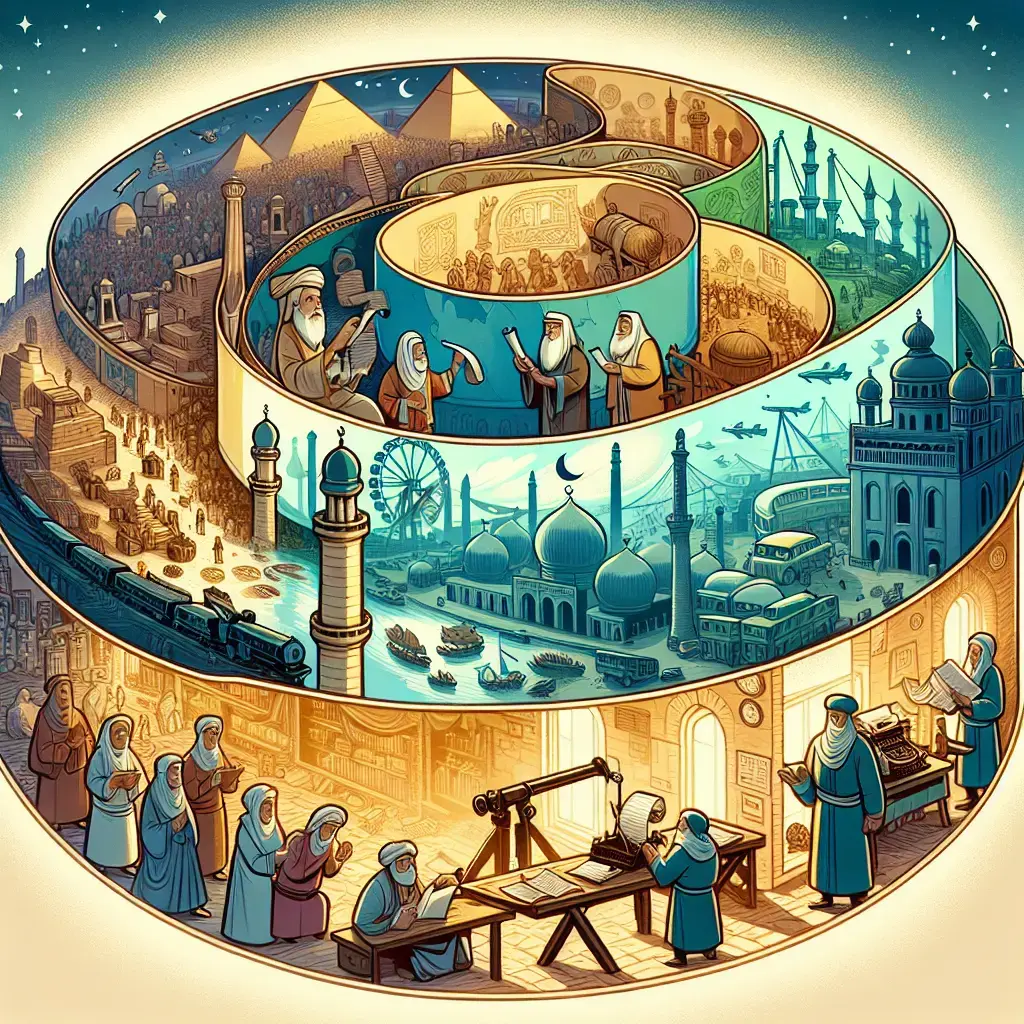
"Historical Events: Foundations & Key Terms" refers to significant occurrences in the past that have shaped societies, cultures, and nations. Foundations highlight the underlying causes, contexts, and origins of these events, while key terms are essential vocabulary and concepts that help explain and analyze them. Understanding both aspects provides a comprehensive view of history, enabling deeper insight into how past events influence present and future developments.
Historical Events: Foundations & Key Terms+45
"Historical Events: Foundations & Key Terms" refers to significant occurrences in the past that have shaped societies, cultures, and nations. Foundations highlight the underlying causes, contexts, and origins of these events, while key terms are essential vocabulary and concepts that help explain and analyze them. Understanding both aspects provides a comprehensive view of history, enabling deeper insight into how past events influence present and future developments.

💡 Key Takeaways
- Identify the foundations of historical events by examining their causes, contexts, and origins.
- Learn essential terms and concepts used in historical analysis, such as cause, effect, primary vs secondary sources, and bias.
- Explore how significant events shape societies, cultures, and national identities over time.
- Develop the ability to compare interpretations of events by evaluating different sources and perspectives.
❓ Frequently Asked Questions
What is meant by the "foundations" of a historical event?
The foundations are the underlying causes, contexts, and origins—economic, political, social, and geographic factors that set the stage for the event.
What are "key terms" in history, and why are they important?
Key terms are essential vocabulary and concepts (like revolution, empire, reform, migration) that help explain, compare, and analyze events.
How do historians determine the foundations of an event?
By evaluating sources, timelines, and the long-term and immediate causes, and by considering these factors within the period’s broader context.
How can understanding foundations and key terms help you answer quiz questions?
It helps you identify cause-and-effect relationships, recall definitions, and place events in context to choose the correct answer.
Why is context critical when studying a historical event?
Context situates an event within the period's social, political, economic, and cultural background, clarifying why it happened and how it shaped later developments.