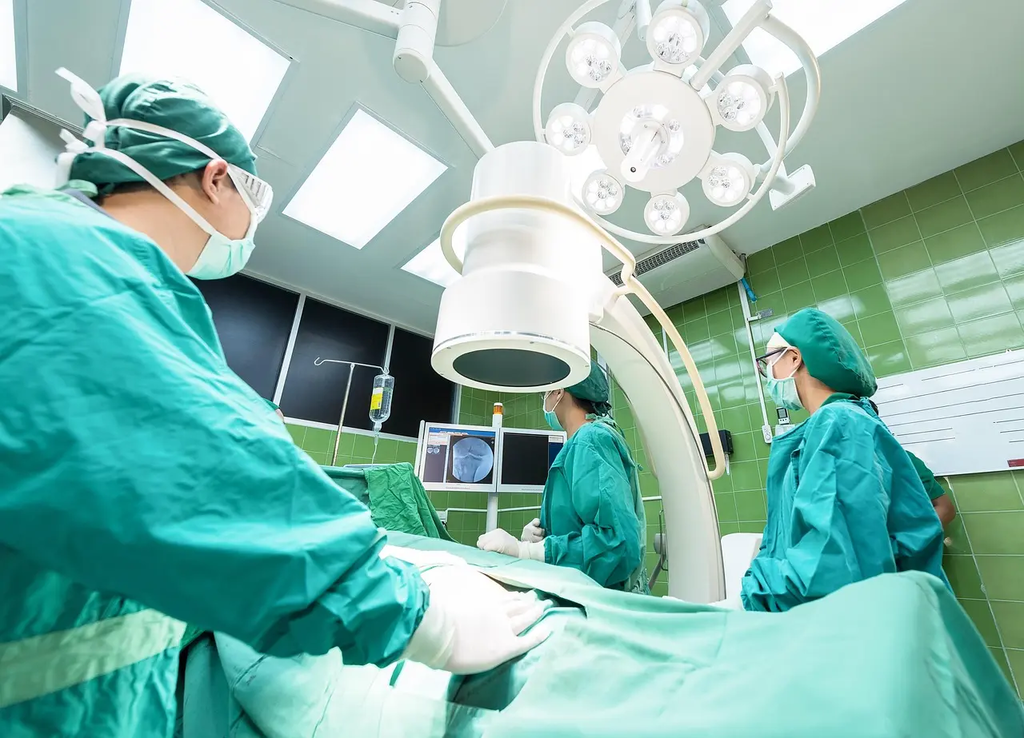
Anesthesia and surgical principles refer to the foundational concepts guiding safe and effective surgical care. Anesthesia involves administering medications to prevent pain and awareness during procedures, ensuring patient comfort and safety. Surgical principles encompass techniques for maintaining sterility, minimizing tissue trauma, controlling bleeding, and promoting optimal healing. Together, these principles ensure procedures are performed with minimal risk, maximizing patient outcomes and reducing complications during and after surgery.
Anesthesia and Surgical Principles
Anesthesia and surgical principles refer to the foundational concepts guiding safe and effective surgical care. Anesthesia involves administering medications to prevent pain and awareness during procedures, ensuring patient comfort and safety. Surgical principles encompass techniques for maintaining sterility, minimizing tissue trauma, controlling bleeding, and promoting optimal healing. Together, these principles ensure procedures are performed with minimal risk, maximizing patient outcomes and reducing complications during and after surgery.
💡 Key Takeaways
- Understand how veterinary anesthesia prevents pain and distress during procedures, ensuring safe and comfortable recovery for pets.
- Identify essential intraoperative monitoring and safety steps for pets, including oxygenation, ventilation, heart rate, blood pressure, temperature, and capnography.
- Describe core surgical principles for pets, such as aseptic technique, gentle tissue handling, effective hemostasis, and proper incision and closure methods.
- Recognize pre- and postoperative considerations in veterinary care, including pre-anesthetic assessment, weight-based dosing, analgesia plans, and safe recovery practices.
❓ Frequently Asked Questions
What is the role of anesthesia in veterinary surgery?
Anesthesia prevents pain and awareness during procedures, keeps the patient comfortable and safe, and allows the veterinarian to perform surgery effectively. It also includes monitoring and supporting breathing, heart function, and circulation during the procedure.
What are core surgical principles for pets?
Use aseptic technique to prevent infection, handle tissues gently to minimize damage, position and pad the patient properly to avoid injuries, plan and close incisions carefully, and control bleeding to promote healing.
What happens during pre-anesthesia assessment for pets?
Review medical history, perform a physical exam, and run basic tests (e.g., blood work) as needed to identify risks; provide fasting and perioperative plans tailored to the individual pet.
How is anesthesia monitored during surgery?
Vital signs such as heart rate and rhythm, respiration, oxygen saturation, temperature, and blood pressure are continuously tracked, with adjustments to anesthesia depth and supportive care as needed.
What should pet owners expect after surgery?
Recovery monitoring, pain relief and wound care instructions, activity restrictions, and guidance on signs of potential complications or when to contact the clinic.