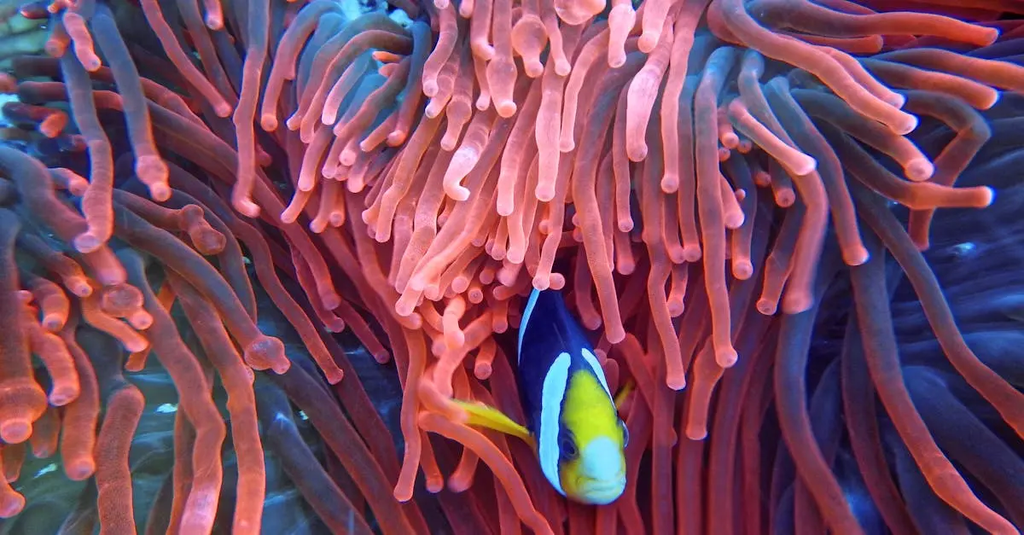
Animal behavior, or ethology, is the scientific study of how animals interact with each other, their environment, and themselves. It explores instinctive and learned behaviors, communication, mating rituals, social structures, and survival strategies. Ethologists observe animals in natural or controlled settings to understand the causes, development, evolution, and functions of behaviors. This field combines biology, ecology, psychology, and neuroscience to explain why animals act the way they do.
Animal Behavior (Ethology)
Animal behavior, or ethology, is the scientific study of how animals interact with each other, their environment, and themselves. It explores instinctive and learned behaviors, communication, mating rituals, social structures, and survival strategies. Ethologists observe animals in natural or controlled settings to understand the causes, development, evolution, and functions of behaviors. This field combines biology, ecology, psychology, and neuroscience to explain why animals act the way they do.
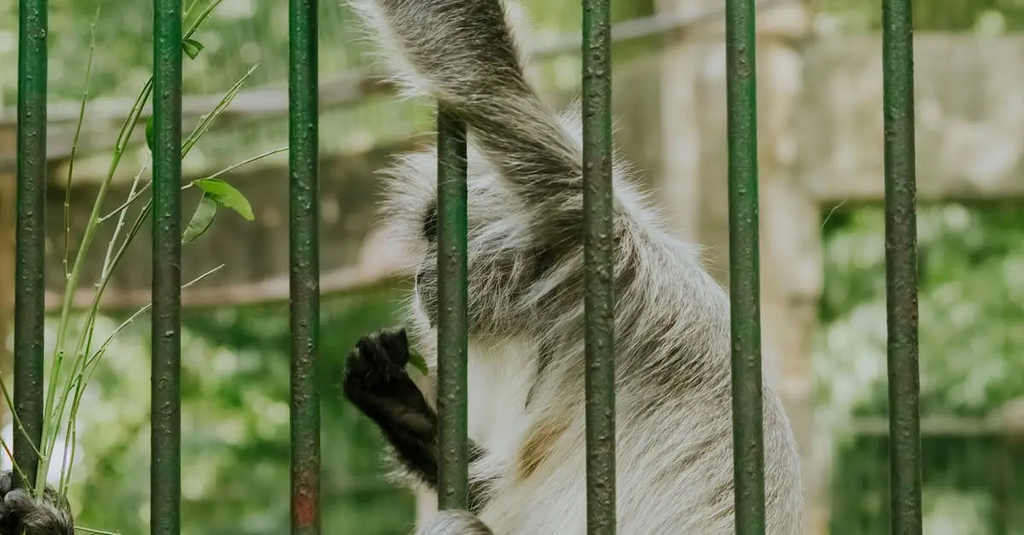
💡 Key Takeaways
- Understand the scope of ethology: how animals interact with each other, their environment, and themselves.
- Differentiate instinctive (innate) versus learned behaviors and how they develop.
- Recognize common animal communication modes (sounds, gestures, scents) and their meanings.
- Describe mating rituals and social structures that influence behavior across species.
- Explain how survival strategies—such as foraging, predation, and avoidance—are observed in natural or controlled settings.
❓ Frequently Asked Questions
What is ethology?
Ethology is the scientific study of animal behavior in natural or ecologically relevant settings, focusing on instinctive and learned behaviors, communication, social structures, and survival strategies.
What’s the difference between instinctive and learned behaviors?
Instinctive (innate) behaviors are hard-wired and present without learning; learned behaviors develop through experience, observation, or conditioning.
How do animals communicate?
Animals use signals such as vocalizations, body language, chemical cues, and visual displays to convey information about mating, territory, danger, or social status.
What methods do ethologists use to study animal behavior?
They observe in natural or semi-natural settings, create ethograms to catalog behaviors, and may perform controlled experiments or manipulations to test causes and functions.