Animal behavior refers to the various ways animals interact with each other, their environment, and other living beings within the animal kingdom. It includes activities such as communication, mating, feeding, migration, and social organization. These behaviors can be instinctive or learned and are influenced by genetics, environmental factors, and evolutionary processes. Studying animal behavior helps scientists understand survival strategies, adaptation, and the complex relationships among different species in nature.
Animal Behavior
Animal behavior refers to the various ways animals interact with each other, their environment, and other living beings within the animal kingdom. It includes activities such as communication, mating, feeding, migration, and social organization. These behaviors can be instinctive or learned and are influenced by genetics, environmental factors, and evolutionary processes. Studying animal behavior helps scientists understand survival strategies, adaptation, and the complex relationships among different species in nature.
💡 Key Takeaways
- Understand the difference between instinctive (innate) and learned behaviors in animals.
- Identify how environment, social context, and motivation influence behavior.
- Recognize common behavioral cues and what they reveal about an animal's state or needs.
- Explore basic methods scientists use to study and interpret animal behavior across species.
❓ Frequently Asked Questions
What is animal behavior?
Animal behavior is how animals act in response to internal states, stimuli, and interactions with others, including movement, communication, and social patterns.
What is the difference between instinct and learned behavior?
Instinct is an inherited, automatic response; learned behavior develops from experience, practice, or observation.
What is imprinting?
Imprinting is a rapid, early learning process where young animals form a strong attachment to a caregiver or object, usually shortly after birth or hatching.
How do animals communicate?
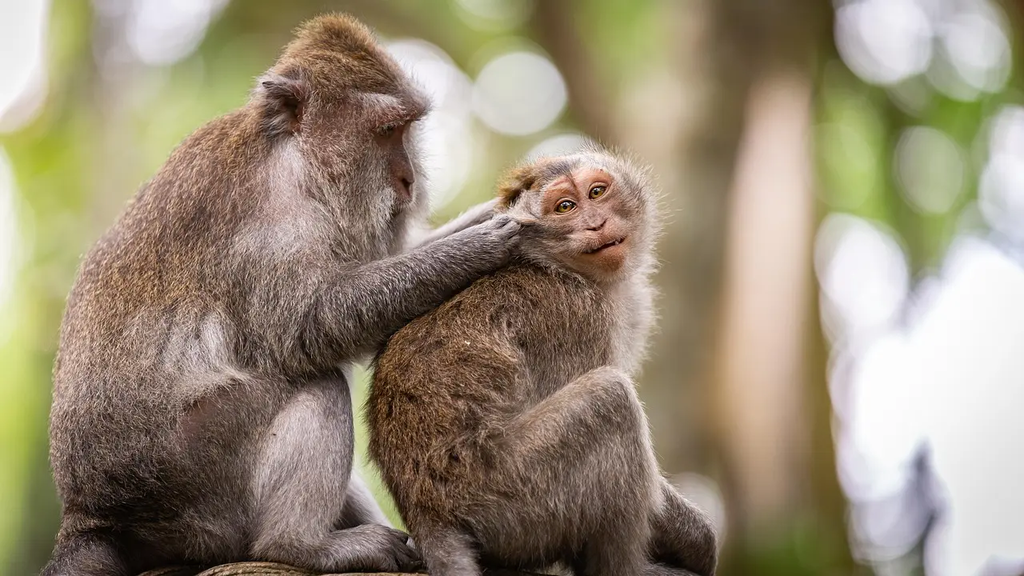
They use vocalizations, scents, body language, and visual displays to attract mates, defend territory, warn others, or coordinate group activities.