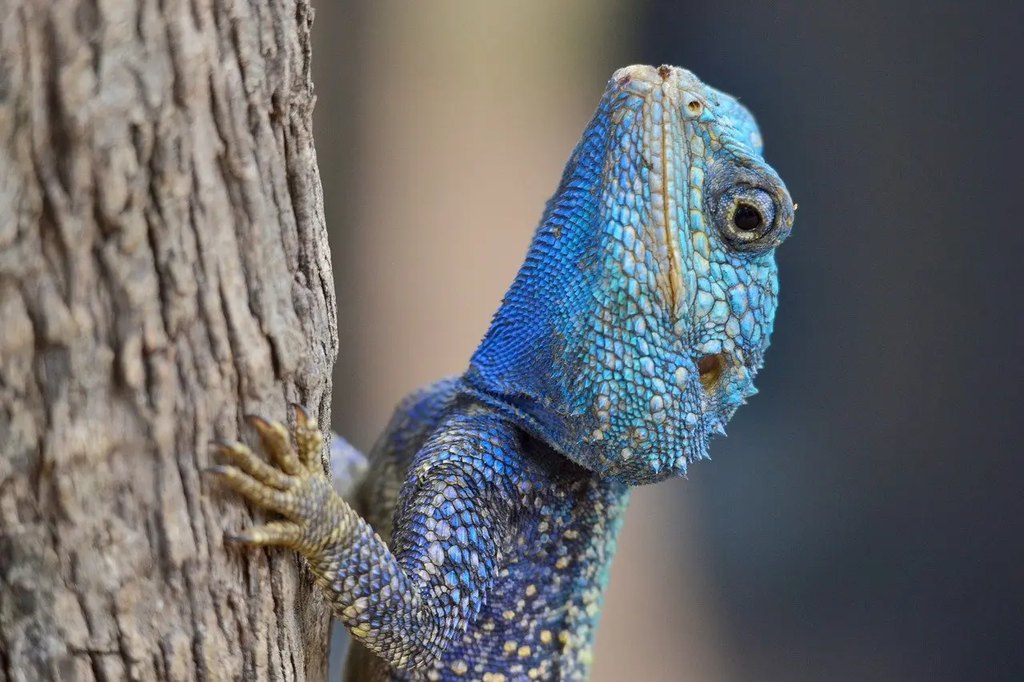
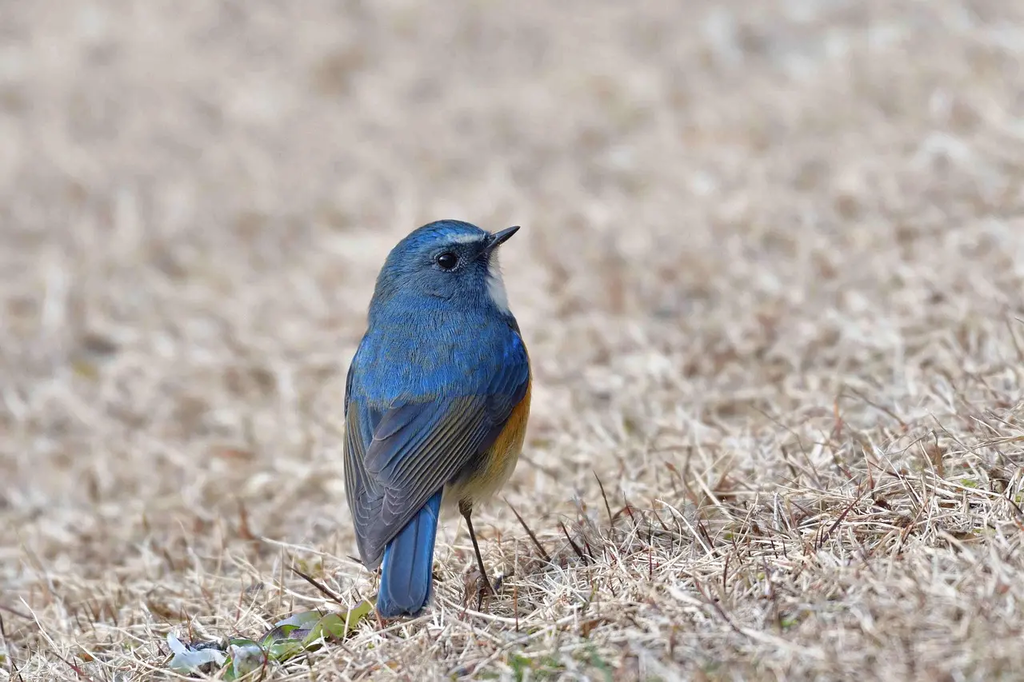
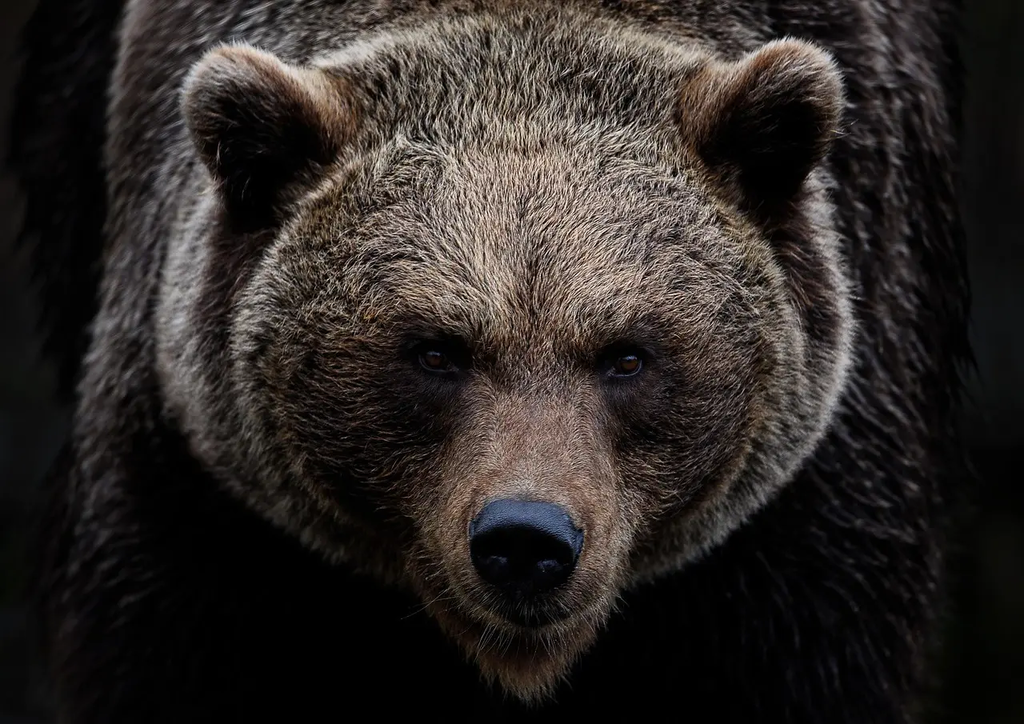
Animal classification, also known as the Animal Kingdom, is the scientific method of grouping and organizing animals based on shared characteristics and evolutionary relationships. This system divides animals into hierarchical categories such as kingdom, phylum, class, order, family, genus, and species. It helps scientists understand the diversity of animal life, trace evolutionary lineages, and study similarities and differences among various animal groups, ranging from simple invertebrates to complex vertebrates.
Animal Classification
Animal classification, also known as the Animal Kingdom, is the scientific method of grouping and organizing animals based on shared characteristics and evolutionary relationships. This system divides animals into hierarchical categories such as kingdom, phylum, class, order, family, genus, and species. It helps scientists understand the diversity of animal life, trace evolutionary lineages, and study similarities and differences among various animal groups, ranging from simple invertebrates to complex vertebrates.

💡 Key Takeaways
- Identify the criteria used to classify animals (structure, reproduction, and genetics).
- Understand the taxonomic hierarchy from kingdom to species.
- Differentiate major animal groups (vertebrates vs. invertebrates and key phyla) by traits.
- Practice using simple keys to identify animals based on observable features.
❓ Frequently Asked Questions
What is animal classification?
Grouping animals into categories based on shared traits and evolutionary relationships to reflect their diversity.
What are the main ranks in Linnaean classification?
Domain, Kingdom, Phylum, Class, Order, Family, Genus, and Species are the primary levels, organized from broad to specific.
How can you tell the difference between major vertebrate classes?
Mammals have hair and mammary glands; birds have feathers and beaks; reptiles have scales and typically lay eggs; amphibians live both in water and on land and undergo metamorphosis; fish have gills and fins.
What distinguishes vertebrates from invertebrates?
Vertebrates have a spinal backbone; invertebrates do not. Vertebrates include fish, amphibians, reptiles, birds, and mammals, while invertebrates include insects, spiders, mollusks, and corals.