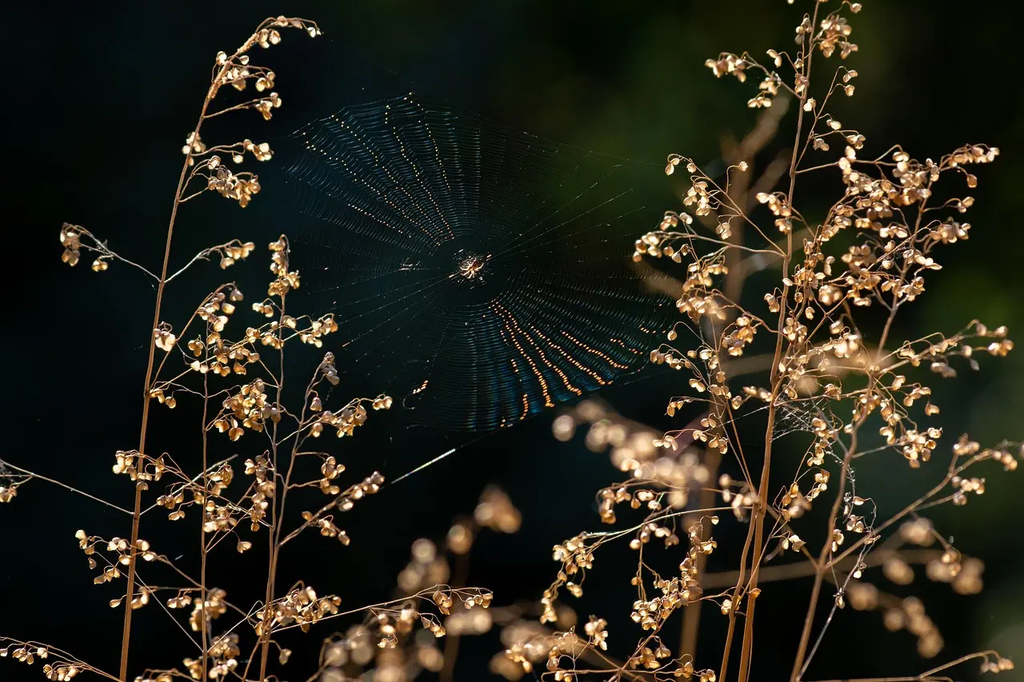
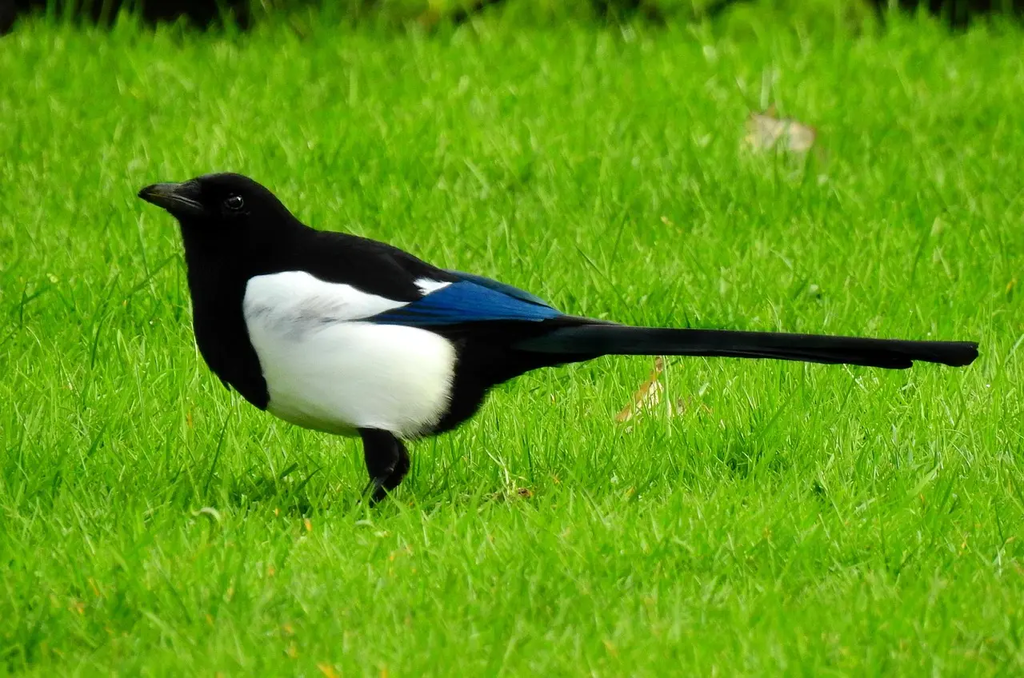
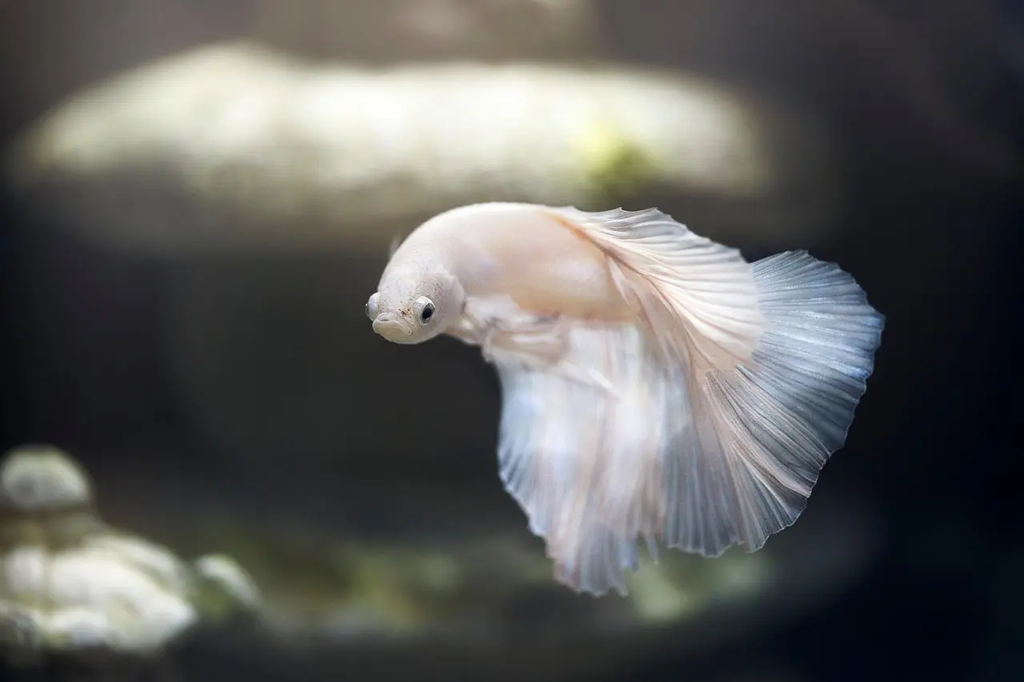
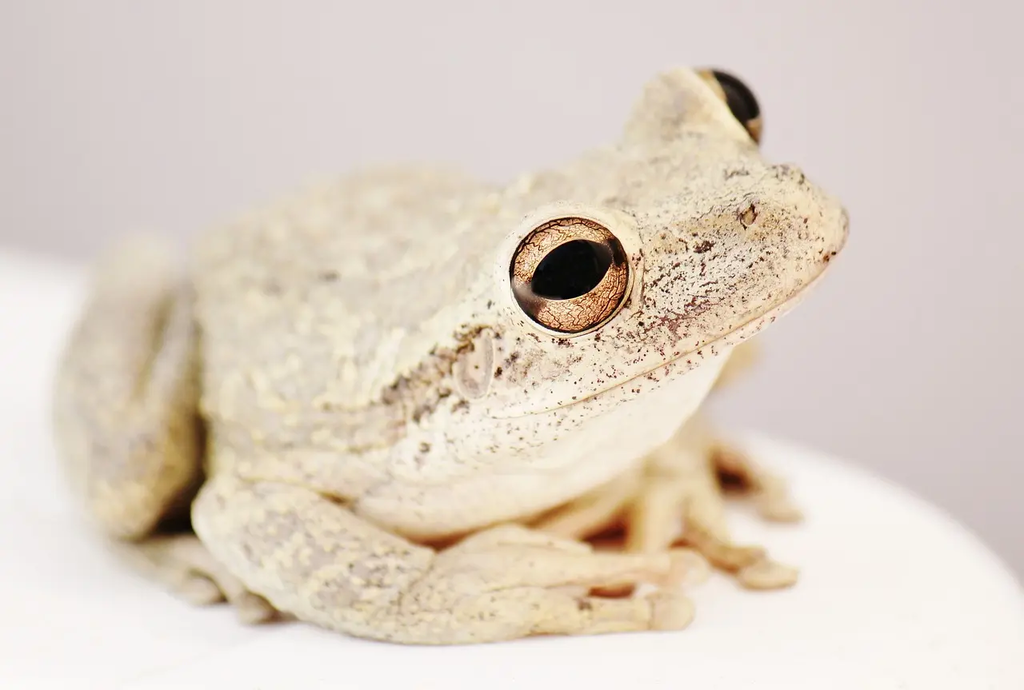
"Animal Colors (The Animal Kingdom)" refers to the wide range of colors and patterns found in animals throughout the natural world. These colors serve various purposes, such as camouflage, attracting mates, warning predators, or signaling emotions. From the bright feathers of tropical birds to the subtle hues of forest mammals, animal colors play a crucial role in survival, communication, and species identification within the diverse animal kingdom.
Animal Colors+45
"Animal Colors (The Animal Kingdom)" refers to the wide range of colors and patterns found in animals throughout the natural world. These colors serve various purposes, such as camouflage, attracting mates, warning predators, or signaling emotions. From the bright feathers of tropical birds to the subtle hues of forest mammals, animal colors play a crucial role in survival, communication, and species identification within the diverse animal kingdom.
💡 Key Takeaways
- Identify common color patterns in animals and what they signal (camouflage, warning, mimicry, and communication).
- Learn how pigments and structural colors create animal coloration, with simple examples.
- Understand why and how some animals change color or pattern in response to environment, mood, or social interactions.
- Explore iconic color adaptations across species and what their colors reveal about their ecology.
❓ Frequently Asked Questions
Why do animals have colors?
Colors help with camouflage, warning predators, attracting mates, signaling to others, and sometimes regulating temperature or indicating health.
What is the difference between pigment-based color and structural color?
Pigments absorb and reflect certain wavelengths; structural color arises from microscopic structures that reflect or interfere with light, often creating iridescence without pigments.
Can animals change color, and how does it work?
Some animals change color slowly by altering pigments; others (e.g., chameleons, octopuses) rapidly shift color using specialized cells to hide, warn, or communicate.
Do animals see colors the same way humans do?
No. Many animals see colors differently: birds and some insects perceive UV light, while many mammals have limited color vision, affecting behavior and mating.