Animal communication methods encompass the diverse ways animals share information with each other, using sounds, body language, scents, and visual signals. From the complex songs of birds to the dance of honeybees and the scent markings of wolves, each species has unique strategies to convey warnings, attract mates, or coordinate group behaviors. These fascinating methods reveal the intelligence and adaptability of animals in their natural environments.
Animal Communication Methods
Animal communication methods encompass the diverse ways animals share information with each other, using sounds, body language, scents, and visual signals. From the complex songs of birds to the dance of honeybees and the scent markings of wolves, each species has unique strategies to convey warnings, attract mates, or coordinate group behaviors. These fascinating methods reveal the intelligence and adaptability of animals in their natural environments.
💡 Key Takeaways
- Identify the main communication channels in animals: vocal, visual, chemical, tactile, and electrical signals
- Explain how context and the audience shape the meaning of signals
- Explore examples across birds, mammals, and insects and their functions (mating, territory, alarm, social bonding)
- Preview common research methods for studying animal communication (observation, playback experiments, signal analysis)
- Discuss how human activities like noise and habitat change impact animal communication
❓ Frequently Asked Questions
What are the main categories of animal communication methods?
Animals communicate using vocal sounds, visual signals, chemical cues (pheromones), tactile interactions, and, in some species, seismic or electric signals.
How do vocalizations help animals communicate?
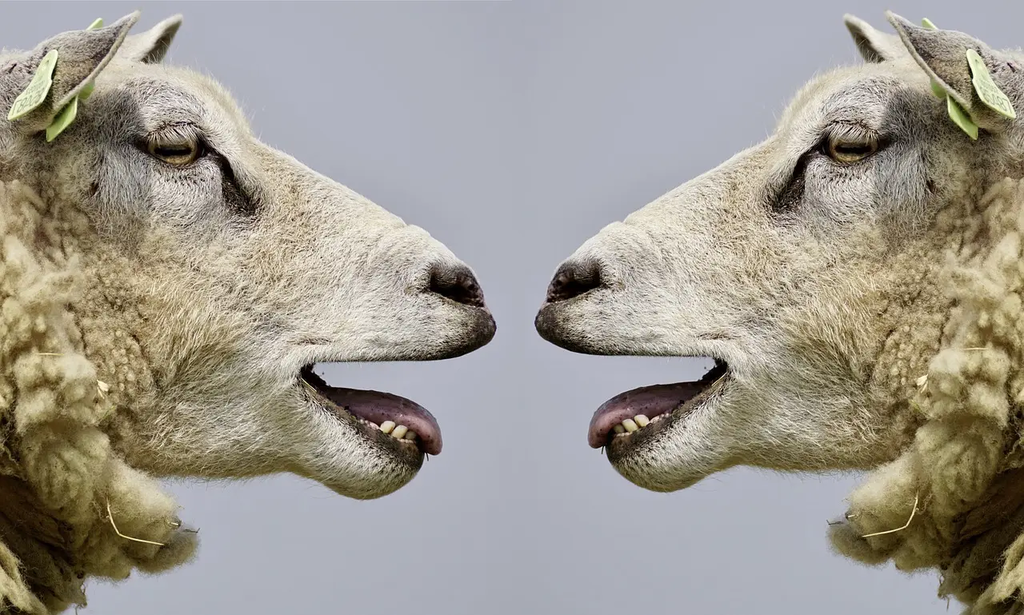
Calls and songs can attract mates, warn of danger, mark territory, and coordinate group behavior; information is often conveyed through pitch, tempo, and pattern.
What role do chemical signals play in animal communication?
Pheromones and scent marks signal reproductive status, track or territory information, and social relationships, often effective without direct contact.
Can you give examples of non-vocal signaling in animals?
Yes—visual displays (color changes, postures), tactile cues (grooming, touches), waggle dances in bees, and seismic or electric signals in some species.