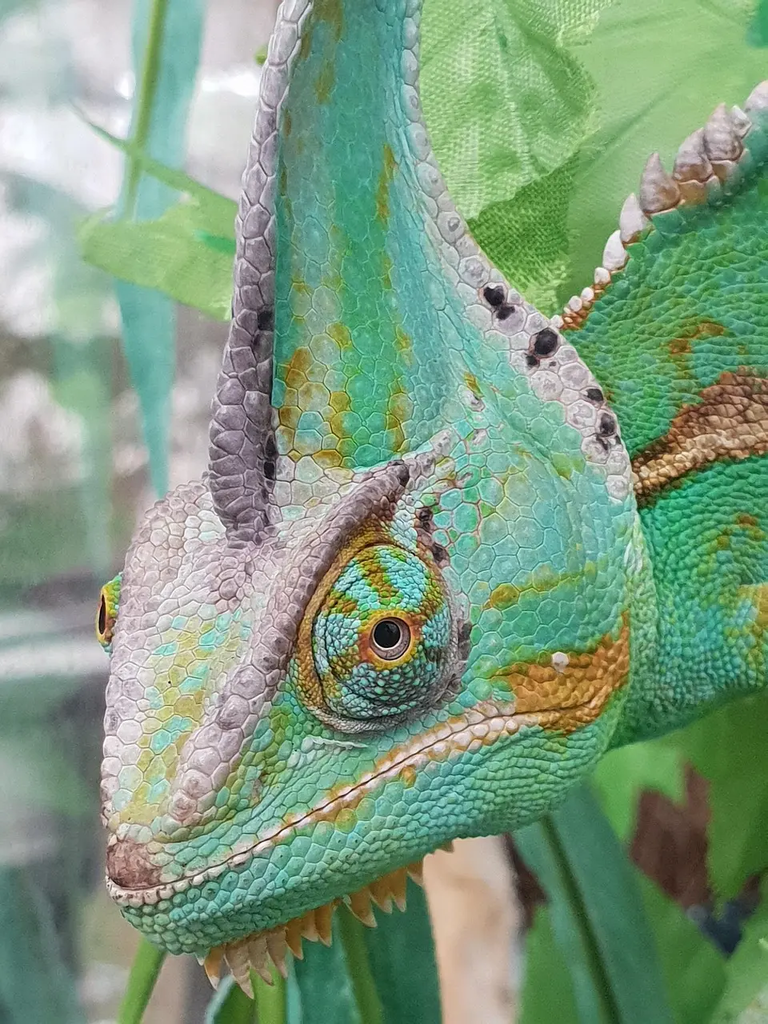
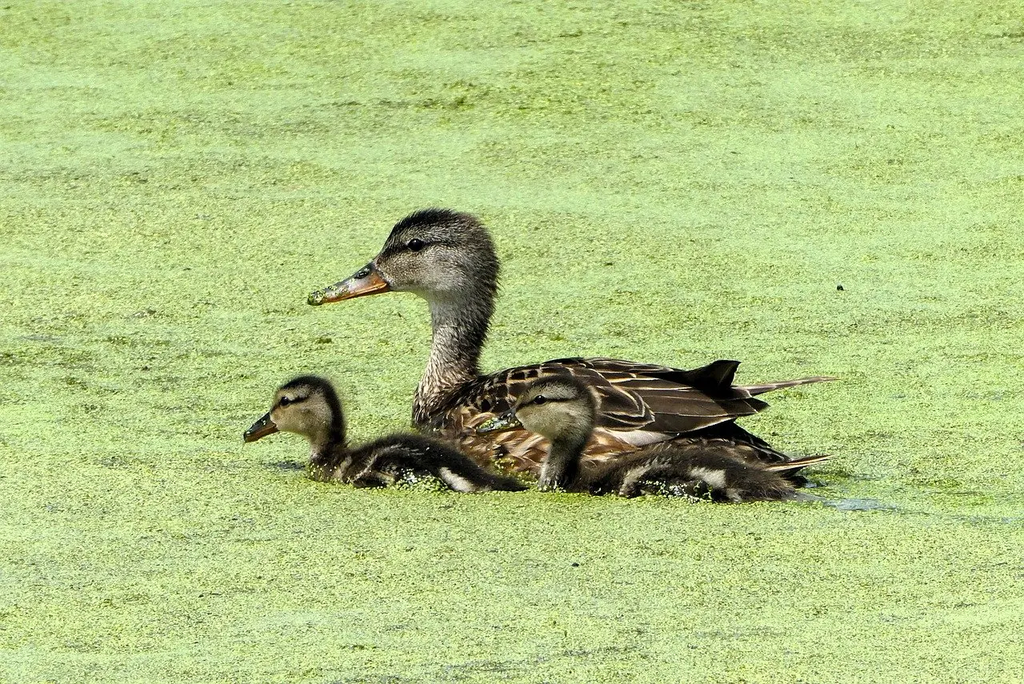
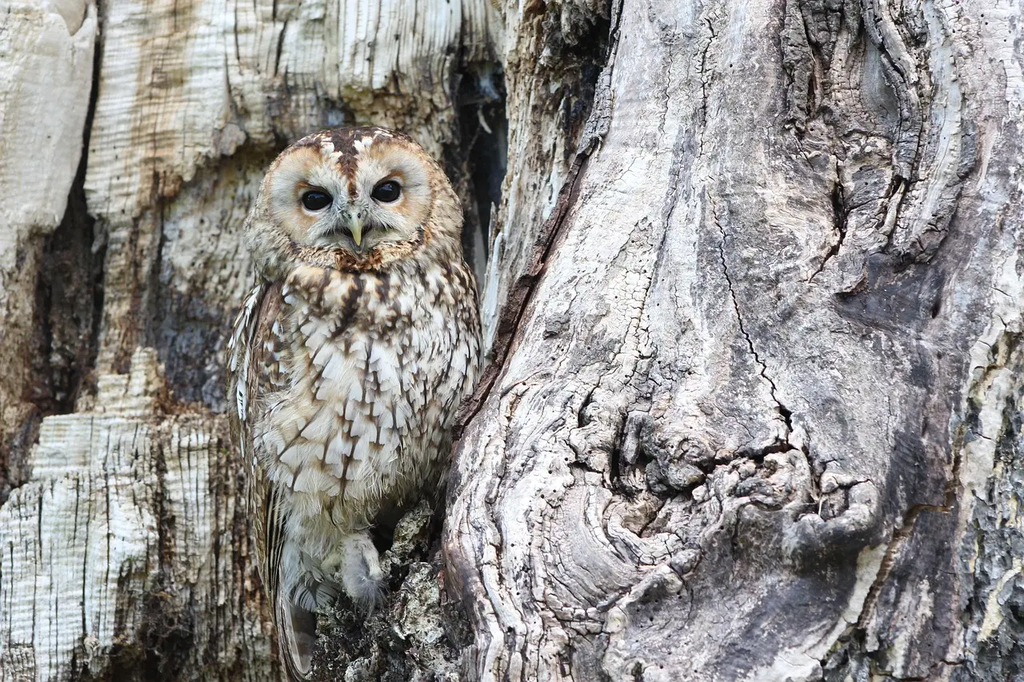
Animal camouflage techniques are fascinating survival strategies that help creatures blend into their surroundings to avoid predators or sneak up on prey. Some animals, like chameleons and octopuses, can change their color and texture. Others, such as stick insects or snow leopards, have body shapes and patterns that mimic plants, rocks, or snow. These clever adaptations are essential for hunting, hiding, and thriving in the wild.
Animal Camouflage Techniques
Animal camouflage techniques are fascinating survival strategies that help creatures blend into their surroundings to avoid predators or sneak up on prey. Some animals, like chameleons and octopuses, can change their color and texture. Others, such as stick insects or snow leopards, have body shapes and patterns that mimic plants, rocks, or snow. These clever adaptations are essential for hunting, hiding, and thriving in the wild.
💡 Key Takeaways
- Understand the purpose of camouflage in animals: concealment from predators and prey.
- Learn the main camouflage strategies: background matching, disruptive patterns, counter-shading, and masquerade.
- Explore real-world examples across habitats and how creatures adapt colors and textures.
- See how behavior enhances camouflage, such as stillness, movement patterns, and seasonal color change.
❓ Frequently Asked Questions
What is camouflage in animals?
Camouflage is a set of strategies that helps an animal blend with its surroundings or hide from predators and prey, making detection harder.
What is background matching?
Background matching uses colors, patterns, and textures that resemble the animal’s environment so it becomes less noticeable.
What is disruptive coloration?
Disruptive coloration uses bold patterns to break up the animal’s outline, confusing predators about its shape or edges.
What is mimicry in camouflage?
Mimicry involves copying the appearance or behavior of another organism or object to deter predators or fool prey.