Animal Quantum Biology explores how quantum mechanics—principles governing the smallest particles—may influence animal behavior and abilities. This fascinating field uncovers nature’s wildest secrets, such as birds navigating using Earth’s magnetic fields, or insects’ remarkable sense of smell. By studying these quantum effects, scientists reveal how animals perform extraordinary feats, blending physics and biology to deepen our understanding of life’s hidden wonders and the mysteries behind animal instincts and survival strategies.
Animal Quantum Biology
Animal Quantum Biology explores how quantum mechanics—principles governing the smallest particles—may influence animal behavior and abilities. This fascinating field uncovers nature’s wildest secrets, such as birds navigating using Earth’s magnetic fields, or insects’ remarkable sense of smell. By studying these quantum effects, scientists reveal how animals perform extraordinary feats, blending physics and biology to deepen our understanding of life’s hidden wonders and the mysteries behind animal instincts and survival strategies.
💡 Key Takeaways
- Understand what quantum biology is and why it might matter for animal life.
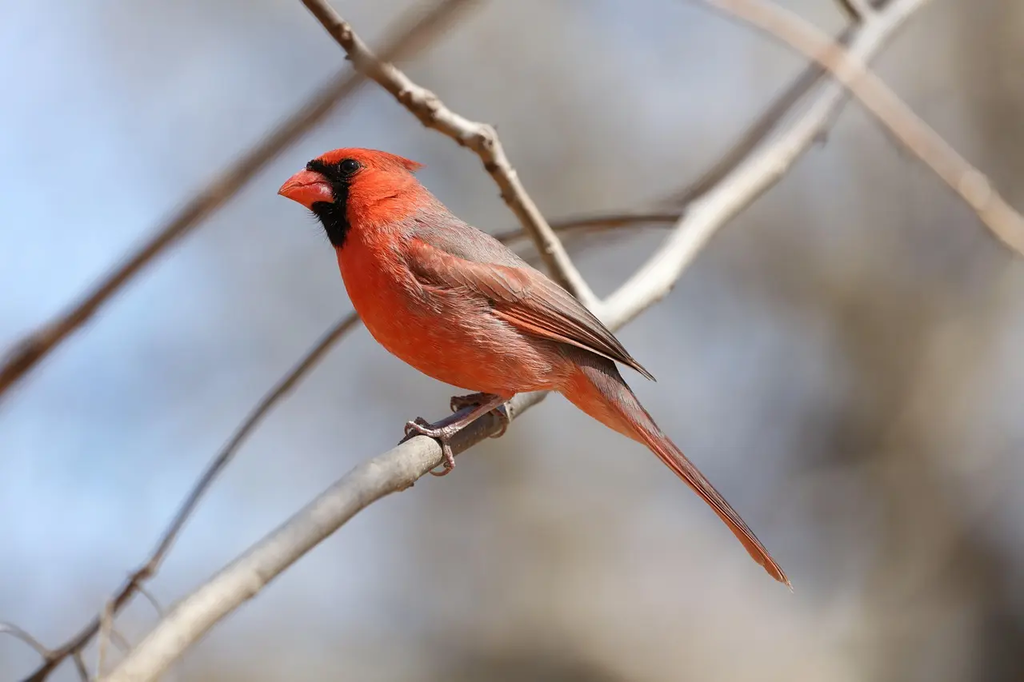
- Explore magnetoreception in birds and the radical pair mechanism as a prominent example of quantum effects in animals.
- Recognize that other quantum-related ideas in animals (such as olfaction) are experimental or debated and not yet settled.
- Learn how researchers test for quantum effects in animals and the potential implications for science and technology.
❓ Frequently Asked Questions
What is animal quantum biology?
A field exploring whether quantum phenomena—like superposition, entanglement, and tunneling—play a functional role in biological processes in animals, beyond ordinary chemistry.
How could birds use quantum mechanics for navigation?
Birds may sense Earth's magnetic field through magnetoreception. In cryptochrome proteins, light can create radical pairs whose spin states are influenced by the magnetic field, potentially guiding navigation.
Are quantum effects involved in animal vision or smell?
Vision involves quantum events (photon absorption by retinal molecules). Some researchers explore deeper quantum effects in biology, but theories of quantum smell are speculative and not widely accepted.
Can quantum tunneling occur in animal enzymes?
Yes, proton or hydrogen tunneling can speed up certain enzyme reactions. This is supported in some systems and is an active area of study in animal biochemistry.