Animal intelligence refers to the cognitive abilities and problem-solving skills displayed by various species within the animal kingdom. It encompasses behaviors such as communication, tool use, social organization, memory, and learning. Different animals, from primates and dolphins to birds and octopuses, demonstrate unique forms of intelligence adapted to their environments. Studying animal intelligence helps scientists understand the evolution of cognition and the complex inner lives of non-human creatures.
Animal Intelligence
Animal intelligence refers to the cognitive abilities and problem-solving skills displayed by various species within the animal kingdom. It encompasses behaviors such as communication, tool use, social organization, memory, and learning. Different animals, from primates and dolphins to birds and octopuses, demonstrate unique forms of intelligence adapted to their environments. Studying animal intelligence helps scientists understand the evolution of cognition and the complex inner lives of non-human creatures.
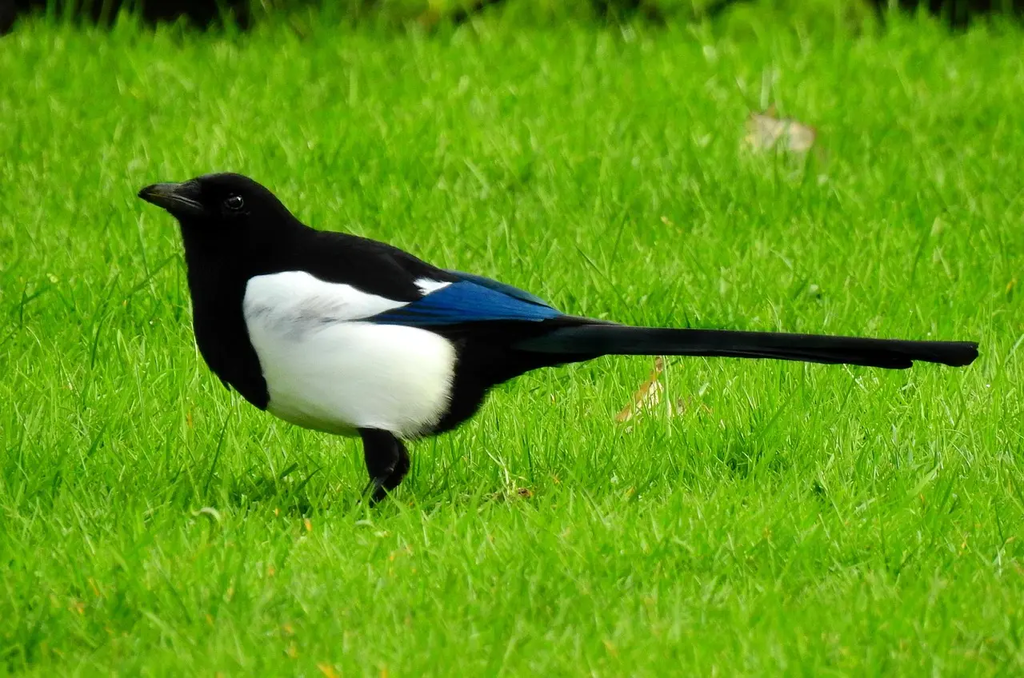
💡 Key Takeaways
- Define what 'animal intelligence' means and how researchers study it.
- Explore examples of cognitive abilities across species (problem-solving, tool use, memory, communication).
- Identify common myths about animal intelligence and the limitations of tests.
- Consider how environment, social context, and training shape observed cognition and how this informs quiz questions.
❓ Frequently Asked Questions
What does 'animal intelligence' mean?
It refers to a species' capacity to learn, solve problems, remember information, adapt to new situations, communicate, and cooperate. Intelligence varies by species and context.
Which animals are well known for problem solving or tool use?
Crows and ravens use tools and solve puzzles; primates (like chimpanzees and orangutans), dolphins, and some octopuses also show advanced problem-solving and flexible behavior.
How do researchers measure animal intelligence?
Through controlled tasks (mazes, puzzles, tool-use tests), learning and memory experiments, social learning studies, and careful observations in natural settings.
Why is it important to interpret results within a species' ecology?
Because intelligence is context-dependent; a skill valuable in one environment may not be in another, so cross-species comparisons can be misleading.