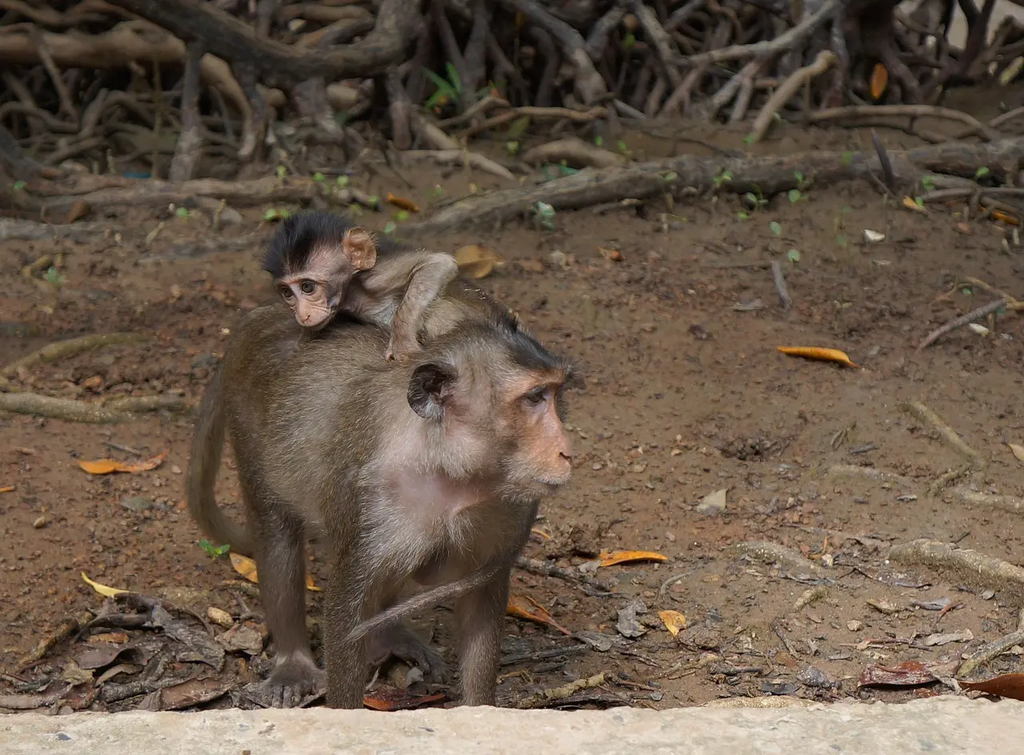
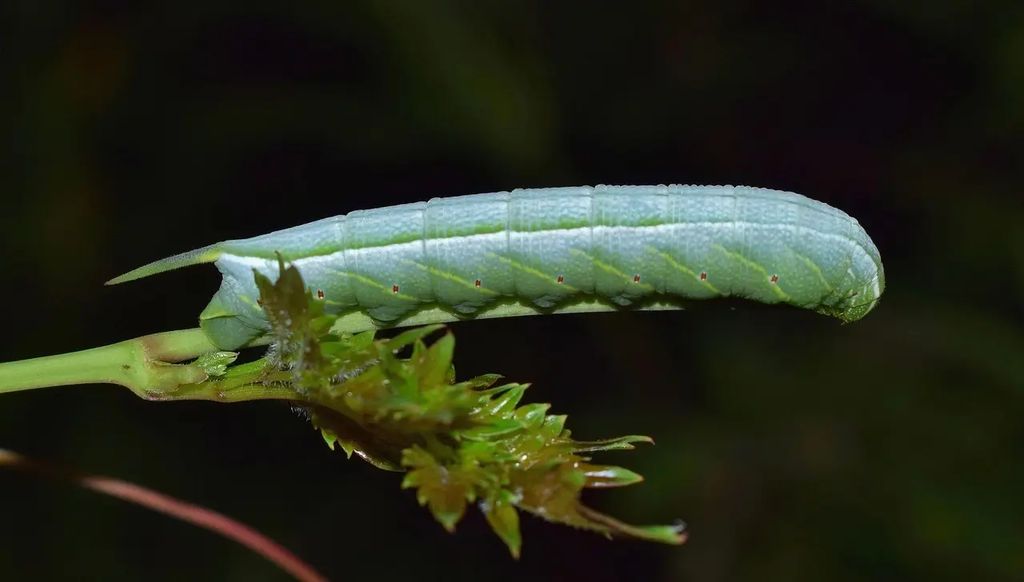
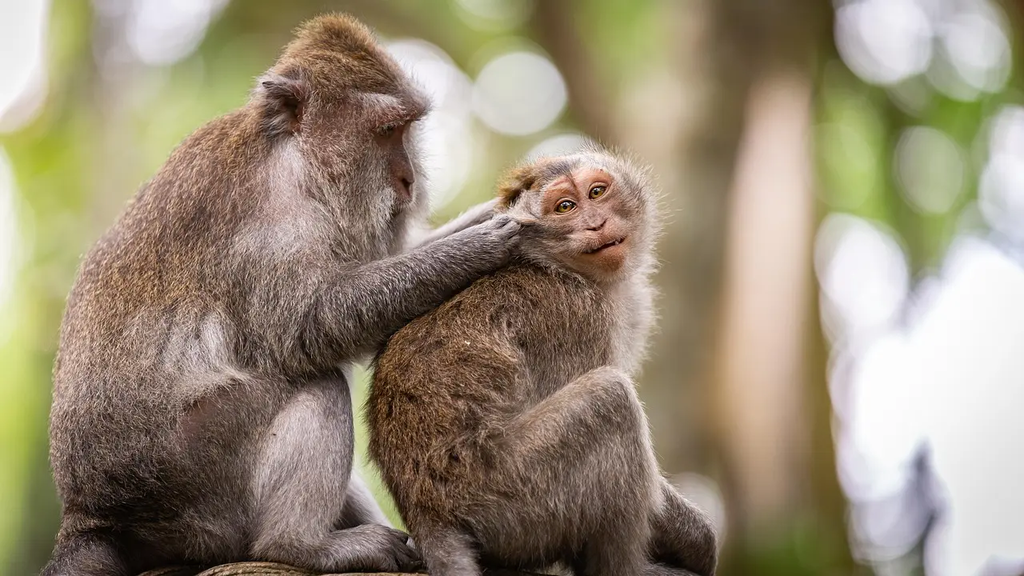
Animal migration refers to the large-scale movement of animal species from one location to another, often in response to seasonal changes, breeding needs, or food availability. This phenomenon is observed across the animal kingdom, including birds, fish, mammals, and insects. Migration helps animals survive by allowing them to access better habitats, avoid harsh climates, and ensure reproductive success, playing a crucial role in the balance of ecosystems.
Animal Migration
Animal migration refers to the large-scale movement of animal species from one location to another, often in response to seasonal changes, breeding needs, or food availability. This phenomenon is observed across the animal kingdom, including birds, fish, mammals, and insects. Migration helps animals survive by allowing them to access better habitats, avoid harsh climates, and ensure reproductive success, playing a crucial role in the balance of ecosystems.
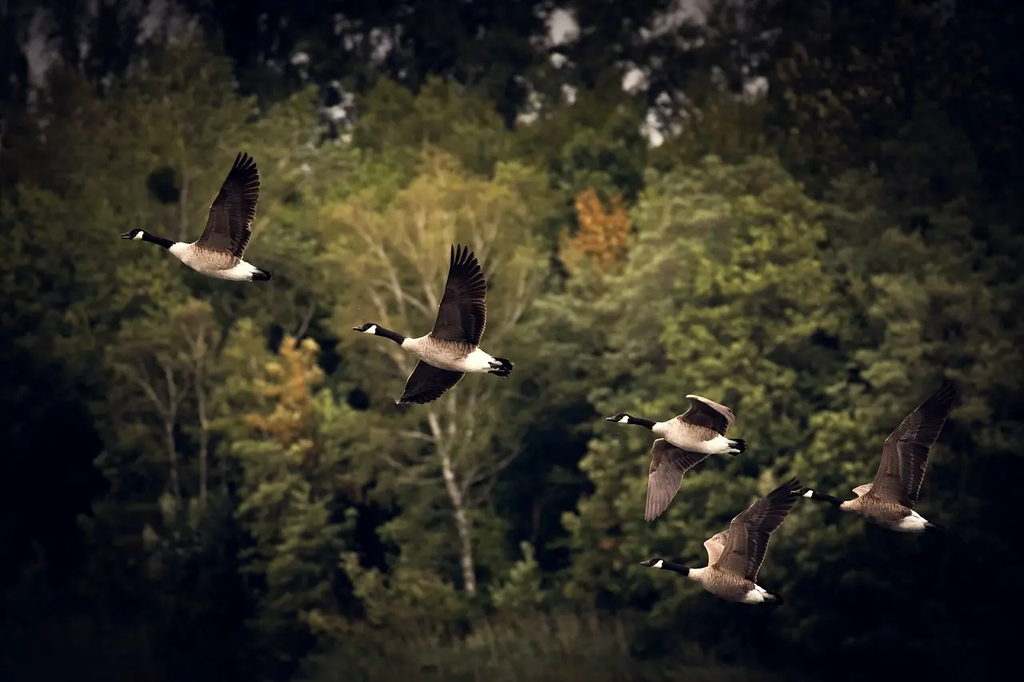
💡 Key Takeaways
- Define animal migration and why it occurs.
- Identify common cues and drivers of migration, such as seasons, food availability, and breeding needs.
- Describe migration patterns (long-distance, short-distance, partial) and provide examples.
- Understand the ecological importance of migratory routes and the conservation challenges facing migratory species.
❓ Frequently Asked Questions
What is animal migration?
A seasonal, large-scale movement of animals from one region to another, typically to find food, breeding sites, or more favorable conditions.
Why do animals migrate?
To access abundant food, suitable breeding grounds, or milder climates, and to avoid harsh conditions, conserving energy and increasing survival chances.
What are the main types of migration?
Long-distance vs. short-distance; complete vs. partial; latitudinal (north–south) vs. altitudinal (up/down); and one-way vs. round-trip migrations.
Can you name some famous migratory species?
Monarch butterflies, Arctic terns, wildebeest in the Serengeti, and humpback whales.