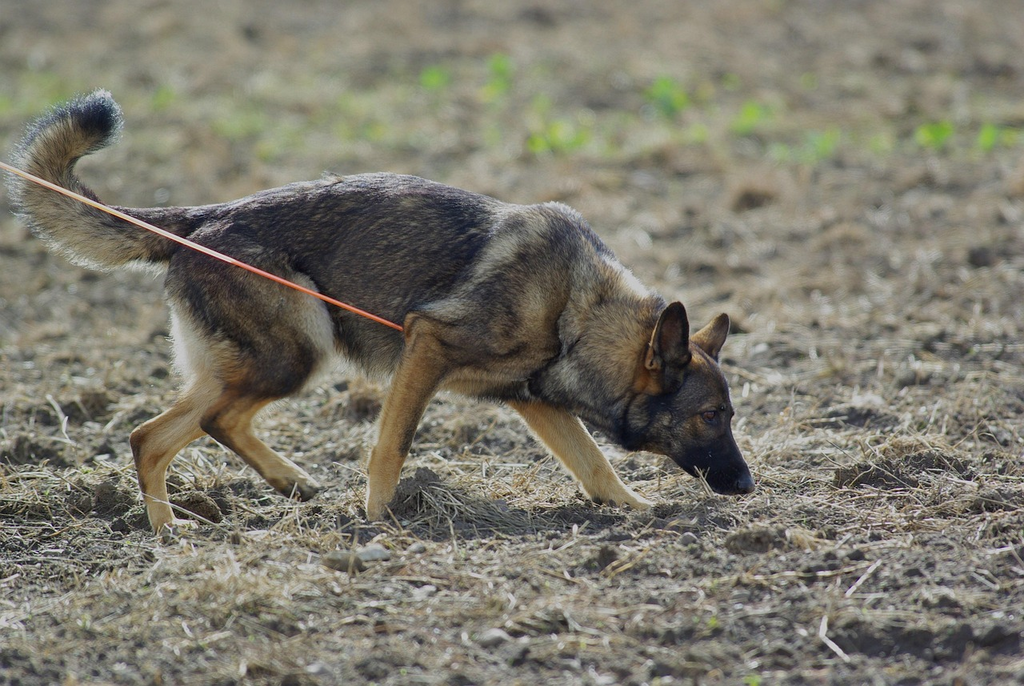
"Animal Safety Basics (Survival Stories)" refers to fundamental guidelines and practices for staying safe around animals, often illustrated through real-life accounts where individuals faced dangerous encounters. These stories highlight the importance of understanding animal behavior, maintaining a safe distance, and knowing how to react in emergencies. By sharing survival experiences, the phrase emphasizes learning from others’ challenges to prevent accidents and promote responsible interactions with wildlife and domestic animals.
Animal Safety Basics+35
"Animal Safety Basics (Survival Stories)" refers to fundamental guidelines and practices for staying safe around animals, often illustrated through real-life accounts where individuals faced dangerous encounters. These stories highlight the importance of understanding animal behavior, maintaining a safe distance, and knowing how to react in emergencies. By sharing survival experiences, the phrase emphasizes learning from others’ challenges to prevent accidents and promote responsible interactions with wildlife and domestic animals.
💡 Key Takeaways
- Identify common animal safety risks in daily settings (pets, wildlife) and how to avoid them.
- Learn safe approaches and handling techniques for interacting with dogs, cats, and livestock.
- Understand basic first aid for common minor animal injuries and when to contact a veterinarian.
- Implement secure practices for transporting, securing, and housing animals to prevent escapes and harm.
❓ Frequently Asked Questions
What is the goal of animal safety basics?
To prevent injuries to people and animals by understanding safe handling, recognizing signs of distress, and how to respond in emergencies.
How should you safely approach a dog you don't know?
Let the dog sniff your hand first, avoid looming over it or direct eye contact, speak calmly, and back away slowly if the dog shows stress or backs away; always ask the owner for guidance.
What should you do if you or someone is bitten or scratched by an animal?
Wash the wound with soap and water, apply gentle pressure to stop bleeding, seek medical care for deeper or dirty wounds, and report the incident if required.
How can you pet-proof your home to protect pets and kids?
Keep toxic substances, medicines, and small objects out of reach, provide safe chew toys, supervise children around animals, and ensure doors and cabinets are securely closed.