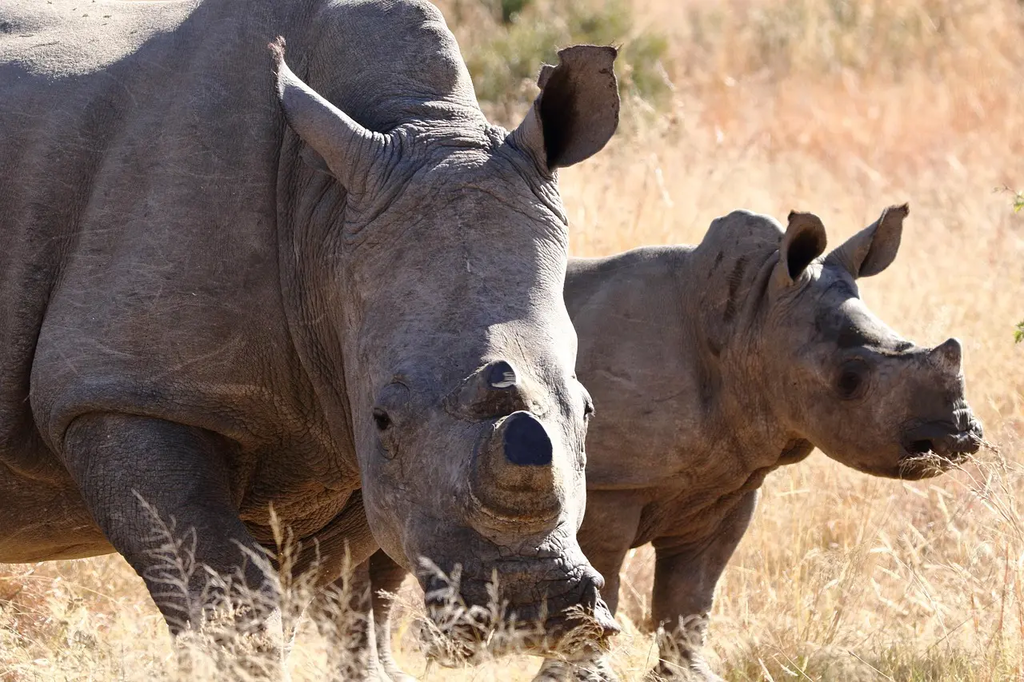
Animal Social Network Analysis explores how animals interact within their groups, revealing the hidden patterns and relationships that shape their societies. By studying communication, cooperation, and hierarchy among animals, scientists uncover fascinating fun facts and surprising secrets about nature’s wildest creatures. This analysis helps us understand animal behaviors, survival strategies, and the complex social structures that exist in the wild, offering valuable insights into the interconnectedness of the natural world.
Animal Social Network Analysis
Animal Social Network Analysis explores how animals interact within their groups, revealing the hidden patterns and relationships that shape their societies. By studying communication, cooperation, and hierarchy among animals, scientists uncover fascinating fun facts and surprising secrets about nature’s wildest creatures. This analysis helps us understand animal behaviors, survival strategies, and the complex social structures that exist in the wild, offering valuable insights into the interconnectedness of the natural world.

💡 Key Takeaways
- Define animal social networks and their importance in behavior and ecology.
- Learn key network metrics (degree, centrality, modularity) and how to interpret them in animal data.
- Explore data collection and network construction methods for animals (observations, proximity sensing, grooming, co-occurrence).
- Apply network analyses to questions about information transfer, disease transmission, and social structure.
- Recognize limitations, biases, and ethical considerations in animal social network analysis.
❓ Frequently Asked Questions
What is Animal Social Network Analysis (ASNA)?
ASNA uses network methods to study how individual animals interact and form social structures, treating animals as nodes and their relationships as edges.
In ASNA, what do nodes and edges represent?
Nodes are individual animals; edges represent observed social ties, such as proximity, grooming, or other interactions.
What are common metrics used in ASNA?
Node-level metrics like degree and centrality (betweenness, closeness, eigenvector); network-level metrics such as density, clustering, and modularity. Edges can be weighted to reflect interaction strength.
Why study animal social networks?
To understand social structure, information or disease transmission, cooperation, and how ecological factors shape relationships.