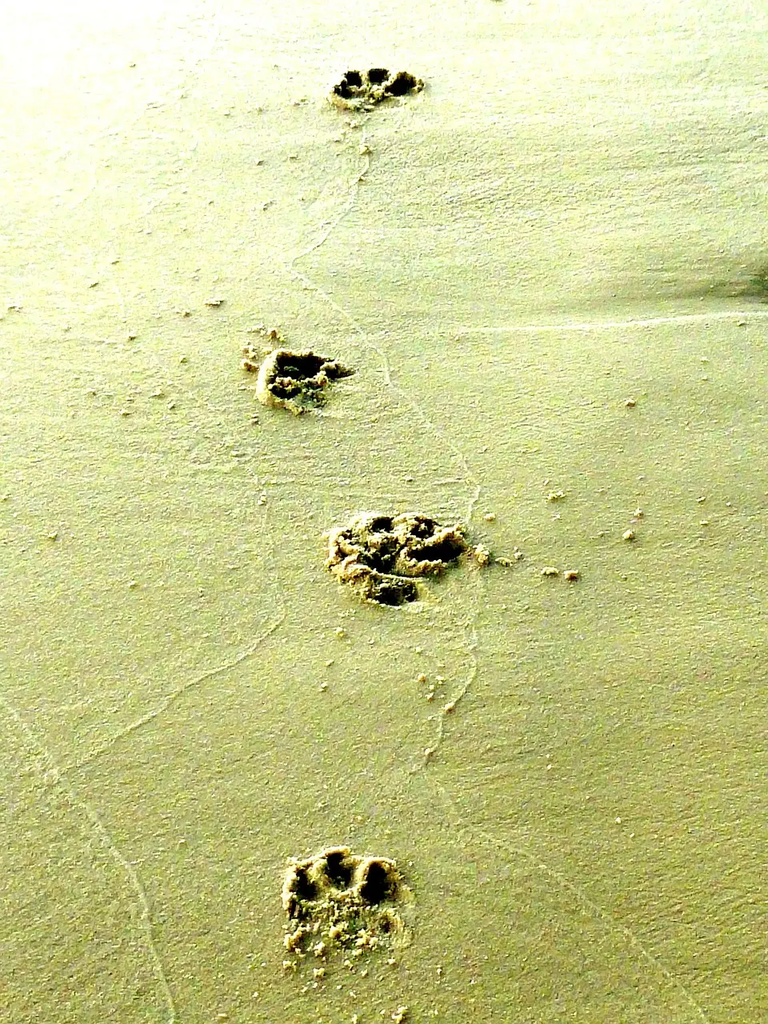
Animal tracks are the imprints or marks left by animals as they move across various surfaces such as soil, sand, or snow. These tracks provide valuable clues about the species, size, and behavior of animals within the animal kingdom. By studying animal tracks, scientists and nature enthusiasts can learn about animal movements, feeding habits, and interactions with their environment, offering insight into the diverse world of wildlife.
Animal Tracks
Animal tracks are the imprints or marks left by animals as they move across various surfaces such as soil, sand, or snow. These tracks provide valuable clues about the species, size, and behavior of animals within the animal kingdom. By studying animal tracks, scientists and nature enthusiasts can learn about animal movements, feeding habits, and interactions with their environment, offering insight into the diverse world of wildlife.
💡 Key Takeaways
- Identify common animal track types by size, shape, and toe count.
- Infer movement and behavior from track patterns such as direction, gait, and speed.
- Assess how weather, substrate, and light affect track visibility and preservation.
- Practice basic field techniques to document, measure, and compare tracks for identification.
❓ Frequently Asked Questions
What are animal tracks and what information can they reveal?
Animal tracks are the prints left by feet, paws, or hooves. They can reveal species, approximate size, gait, direction of travel, and recent behavior.
How can you distinguish paw prints from hoof prints?
Paw prints show toe pads and a central pad; hoof prints are a single shape from the hoof. Cloven hooves (e.g., deer, goats) show two toe impressions separated by a gap; horses have a single, elongated hoof print.
How do track patterns indicate gait or speed?
Track patterns and spacing change with speed: a walk has short, consecutive prints; a trot shows diagonal pairs with moderate spacing; faster gaits like canter or gallop have longer strides and wider spacing.
What simple steps can you take to document tracks in the field?
Photograph tracks with a scale, measure length and width, note substrate and direction, and record the location and date to aid later identification.