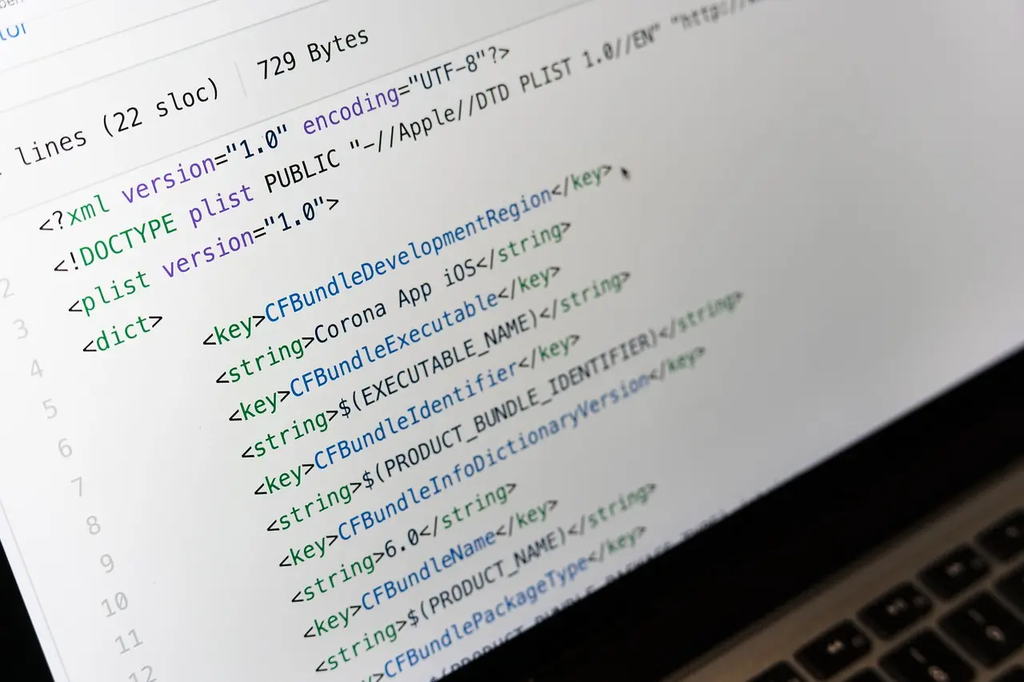
App Development Basics (Daily Mobile Apps) refers to the foundational principles and steps involved in creating mobile applications used on a daily basis. This includes understanding user needs, designing intuitive interfaces, coding for platforms like iOS and Android, testing for functionality and usability, and deploying updates. The process emphasizes simplicity, performance, and user engagement, ensuring that apps effectively solve everyday problems and provide a seamless user experience.
App Development Basics
App Development Basics (Daily Mobile Apps) refers to the foundational principles and steps involved in creating mobile applications used on a daily basis. This includes understanding user needs, designing intuitive interfaces, coding for platforms like iOS and Android, testing for functionality and usability, and deploying updates. The process emphasizes simplicity, performance, and user engagement, ensuring that apps effectively solve everyday problems and provide a seamless user experience.
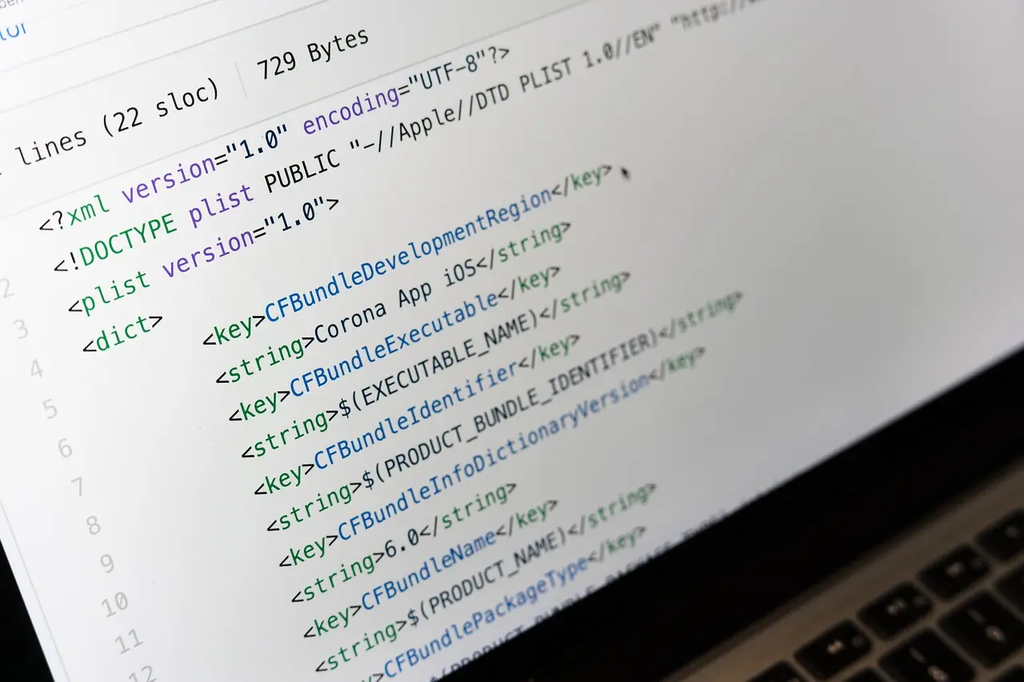
💡 Key Takeaways
- Identify the key stages of app development from idea to deployment
- Differentiate between native, cross-platform, and web app approaches
- Understand core concepts like UI/UX, testing, and version control
- Recognize essential tools and platforms used in app development (IDEs, emulators, APIs)
❓ Frequently Asked Questions
What is app development?
The process of planning, designing, coding, testing, and deploying software applications for devices (phones, tablets, or desktops), plus ongoing maintenance.
What’s the difference between native, web, and hybrid apps?
Native apps are built for a specific platform using its native language; web apps run in a browser and work across devices; hybrid apps combine web tech in a native wrapper to reach multiple platforms.
What is frontend versus backend in app development?
Frontend is the user interface and client-side code; backend is the server-side logic, data storage, and APIs that power the app.
What is an API and why is it important?
An API (Application Programming Interface) lets different software components communicate, enabling data exchange and features between a client and a server.
What is version control and why use Git?
Version control tracks changes to code over time, supports collaboration, and lets you review history and revert changes; Git is a popular system for this.