Aquaculture & Fisheries Science is a multidisciplinary field focused on the cultivation, management, and conservation of aquatic organisms, including fish, shellfish, and plants. It encompasses the study of breeding, genetics, nutrition, disease control, and environmental impacts within aquatic environments. The field aims to enhance sustainable production, ensure food security, and maintain ecological balance, while also addressing challenges such as overfishing, habitat degradation, and climate change affecting aquatic ecosystems.
Aquaculture & Fisheries Science
Aquaculture & Fisheries Science is a multidisciplinary field focused on the cultivation, management, and conservation of aquatic organisms, including fish, shellfish, and plants. It encompasses the study of breeding, genetics, nutrition, disease control, and environmental impacts within aquatic environments. The field aims to enhance sustainable production, ensure food security, and maintain ecological balance, while also addressing challenges such as overfishing, habitat degradation, and climate change affecting aquatic ecosystems.
💡 Key Takeaways
- Understand the scope of aquaculture and fisheries science, including cultivation, management, and conservation of aquatic organisms.
- Grasp genetic concepts and breeding strategies used to enhance growth, disease resistance, and production efficiency.
- Recognize nutrition and feeding strategies, including feed formulation and nutrient requirements for various aquatic species.
- Identify disease risks, biosecurity measures, and welfare considerations in aquaculture operations.
- Evaluate environmental impacts and sustainability, including water quality, habitat effects, and regulatory frameworks.
❓ Frequently Asked Questions
What is aquaculture and how does it differ from wild fisheries?
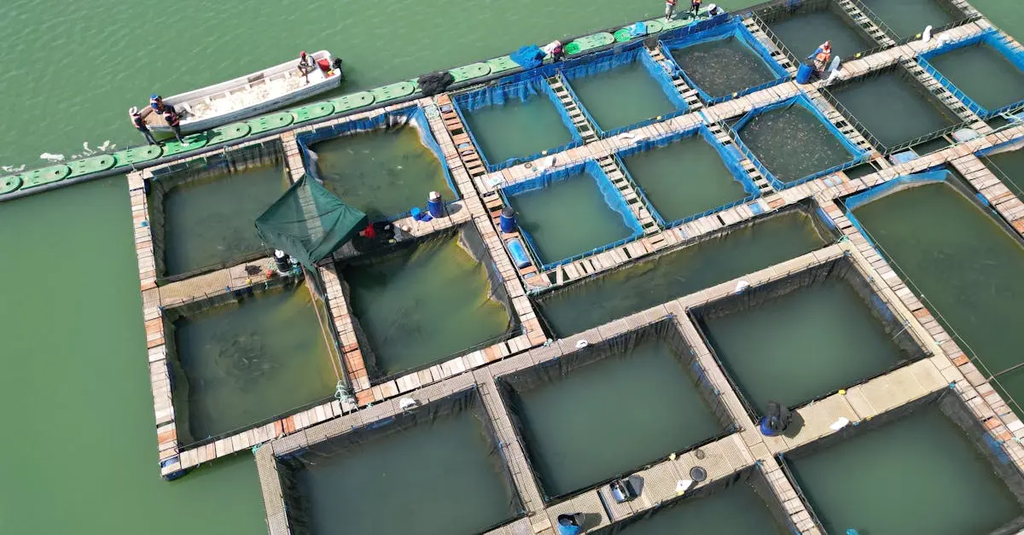
Aquaculture is the controlled farming of aquatic organisms (fish, shellfish, seaweeds) in tanks, ponds, or cages with managed feeding and water quality. It differs from wild fisheries, which harvest from natural populations in open waters.
What are the main areas covered by aquaculture & fisheries science?
Breeding and genetics, nutrition and feed management, disease prevention and health, water quality and environmental impacts, farm management and conservation, and policy/economics.
Why is nutrition crucial in aquaculture?
Nutrition drives growth, feed efficiency, health, and product quality; properly formulated diets tailored to each species reduce waste and environmental pollution.
How are environmental impacts addressed in aquaculture?
By managing water quality, stocking density, waste treatment, and habitat effects; sustainable practices like recirculating systems, responsible feed, and careful site selection help minimize impacts.