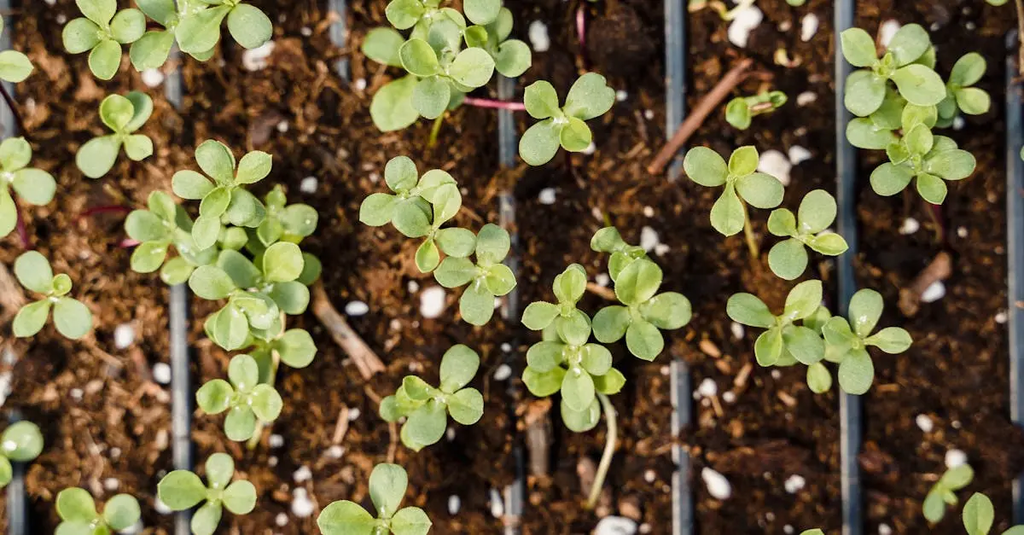
Aquaponics fundamentals involve integrating aquaculture (raising fish) and hydroponics (growing plants without soil) into a single, symbiotic system. Fish waste provides essential nutrients for plant growth, while plants naturally filter and purify the water, which is then recirculated back to the fish tanks. This sustainable method conserves water, reduces the need for chemical fertilizers, and enables efficient food production in limited spaces by leveraging natural biological cycles.
Aquaponics Fundamentals
Aquaponics fundamentals involve integrating aquaculture (raising fish) and hydroponics (growing plants without soil) into a single, symbiotic system. Fish waste provides essential nutrients for plant growth, while plants naturally filter and purify the water, which is then recirculated back to the fish tanks. This sustainable method conserves water, reduces the need for chemical fertilizers, and enables efficient food production in limited spaces by leveraging natural biological cycles.
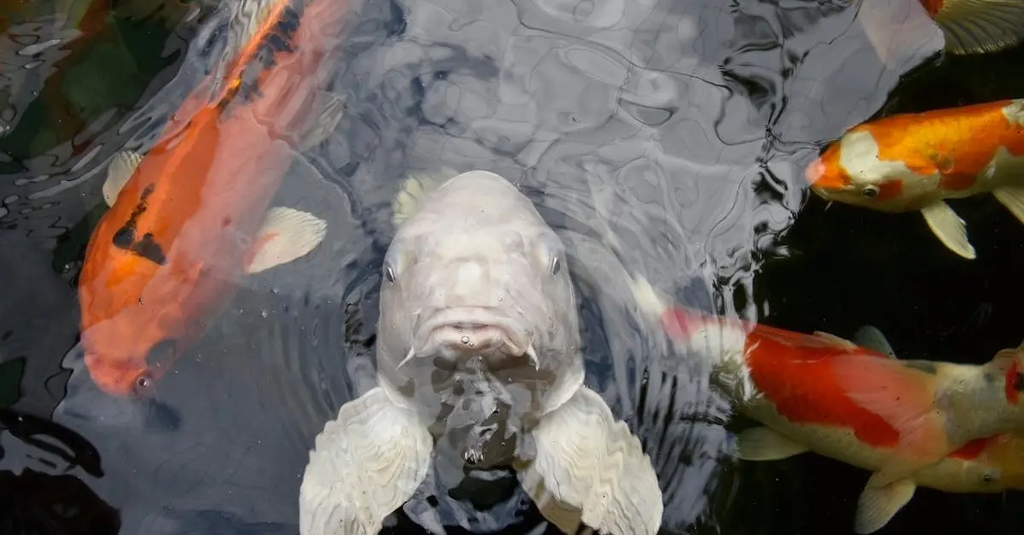
💡 Key Takeaways
- Understand the basic concept: aquaponics combines fish farming and soilless plant growing in one symbiotic system.
- Learn how fish waste provides nutrients for plants and how plants filter and purify the water.
- Identify the main components of a home aquaponics setup (fish tank, grow beds, water circulation) and how water moves between them.
- Describe the practical benefits of home aquaponics and common setup considerations, such as water efficiency and maintaining system balance.
❓ Frequently Asked Questions
What is aquaponics?
A system that combines raising fish (aquaculture) with growing plants in water (hydroponics), where fish waste nourishes plants and the plants help purify the water.
How does the nutrient cycle work in aquaponics?
Beneficial bacteria convert fish waste from ammonia to nitrite and then nitrate, which plants absorb; the cleaned water is returned to the fish.
What are common home aquaponics setups?
Media bed systems, deep-water culture (raft) systems, and hybrids; each uses different methods for filtering water and supporting plants.
What should I monitor for a healthy system?
Water quality (ammonia, nitrite, nitrate, pH), temperature, and oxygen; avoid overfeeding and let the system cycle before adding plants.