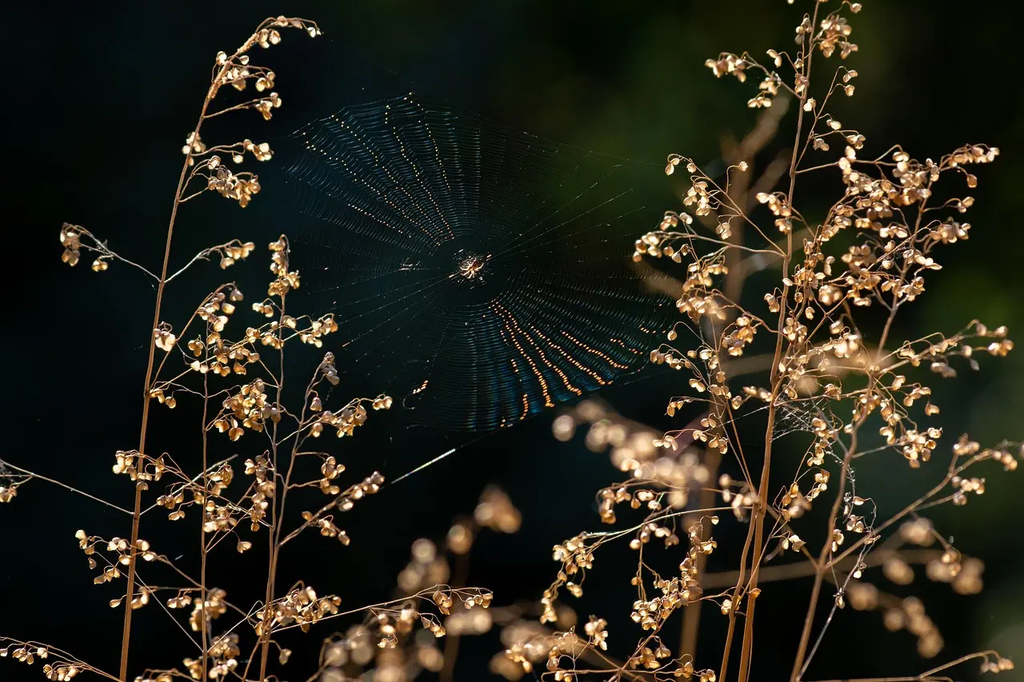
Arachnids are a class of joint-legged invertebrates within the animal kingdom, including spiders, scorpions, ticks, and mites. Characterized by having eight legs and a two-part body (cephalothorax and abdomen), they lack antennae and wings. Arachnids are primarily terrestrial and play vital roles in ecosystems as predators and decomposers. They possess specialized appendages for feeding and defense, and many produce silk or venom for capturing prey or protection.
Arachnids
Arachnids are a class of joint-legged invertebrates within the animal kingdom, including spiders, scorpions, ticks, and mites. Characterized by having eight legs and a two-part body (cephalothorax and abdomen), they lack antennae and wings. Arachnids are primarily terrestrial and play vital roles in ecosystems as predators and decomposers. They possess specialized appendages for feeding and defense, and many produce silk or venom for capturing prey or protection.
💡 Key Takeaways
- Distinguish arachnids from insects by their eight legs, two main body segments, and lack of antennae.
- Identify major arachnid groups (spiders, scorpions, mites, ticks, harvestmen) and typical habitats they occupy.
- Describe key adaptations such as silk production in spiders, venom in some species, and their basic respiration methods (book lungs or tracheae).
- Understand the ecological roles of arachnids as predators and how they impact ecosystems, along with safe, respectful ways to observe them.
❓ Frequently Asked Questions
What defines arachnids?
Arthropods with eight legs, two main body segments, and no antennae or wings; this group includes spiders, scorpions, mites, ticks, and harvestmen.
How do arachnids differ from insects?
Arachnids have eight legs and two body segments, while insects have six legs, three body segments, and usually antennae and wings.
What are the major arachnid groups people commonly encounter?
Spiders (Araneae), scorpions (Scorpiones), mites and ticks (Acari), and harvestmen (Opiliones). Pseudoscorpions are a smaller, related group.
How do arachnids breathe?
They use book lungs or tracheae to absorb oxygen; some species use both.