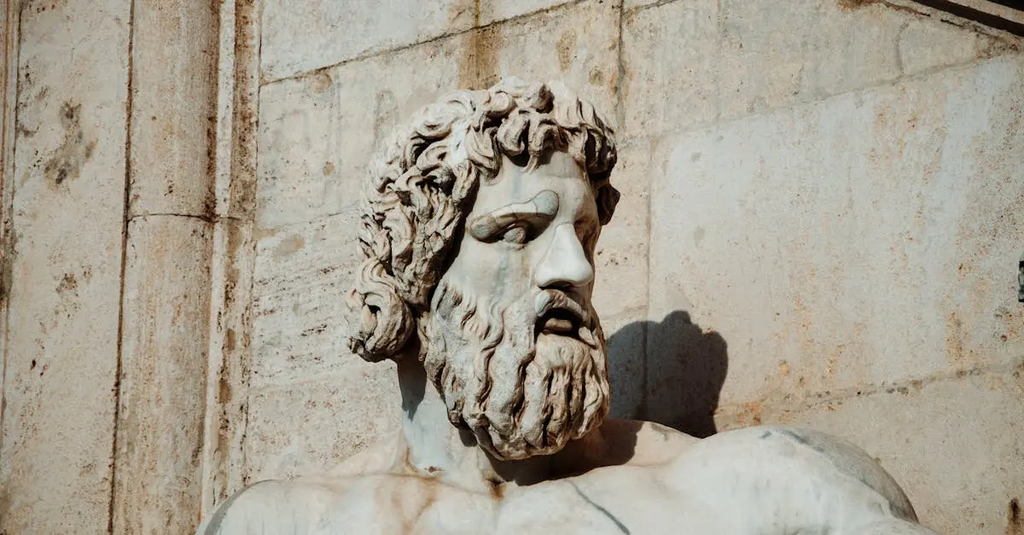
Art criticism involves analyzing, interpreting, and evaluating works of art, utilizing various methods such as formal analysis, contextual examination, and theoretical approaches. Writing in art criticism requires clear observation, informed judgment, and effective communication, often addressing elements like technique, composition, meaning, and cultural significance. Critics aim to deepen understanding, provoke thought, and offer informed perspectives, making art criticism an essential bridge between artists, artworks, and audiences.
Art Criticism: Methods and Writing
Art criticism involves analyzing, interpreting, and evaluating works of art, utilizing various methods such as formal analysis, contextual examination, and theoretical approaches. Writing in art criticism requires clear observation, informed judgment, and effective communication, often addressing elements like technique, composition, meaning, and cultural significance. Critics aim to deepen understanding, provoke thought, and offer informed perspectives, making art criticism an essential bridge between artists, artworks, and audiences.

💡 Key Takeaways
- Analyze visual elements (line, color, composition) and their meaning.
- Consider historical, cultural, and social context to interpret the work.
- Apply different theories (formalism, iconography, critical theory) to interpretation.
- Write clear, evidence-based critiques with precise observations and justification.
- Evaluate how the work communicates and how criticism shapes its reception.
❓ Frequently Asked Questions
What is art criticism?
Art criticism is the practice of analyzing, interpreting, and evaluating artworks to understand their meaning, context, and value, and to communicate informed judgments.
What are the main methods used in art criticism?
Formal analysis (visual elements and composition), contextual analysis (historical, social, and cultural context), and theoretical approaches (philosophical frameworks like formalism, feminism, Marxism, and psychoanalysis).
How should writing in art criticism be structured?
Begin with a clear thesis, describe what you see with precise observation, interpret meanings supported by evidence from the work, discuss context and theory, and finish with a concise judgment.
What is the difference between description, interpretation, and evaluation?
Description records observable features, interpretation offers plausible meanings, and evaluation judges the artwork’s quality or significance, each supported by evidence.
Why is context important in art criticism?
Context provides historical, cultural, and personal background that helps explain why a work was made, what it communicates, and how viewers might understand and respond to it.