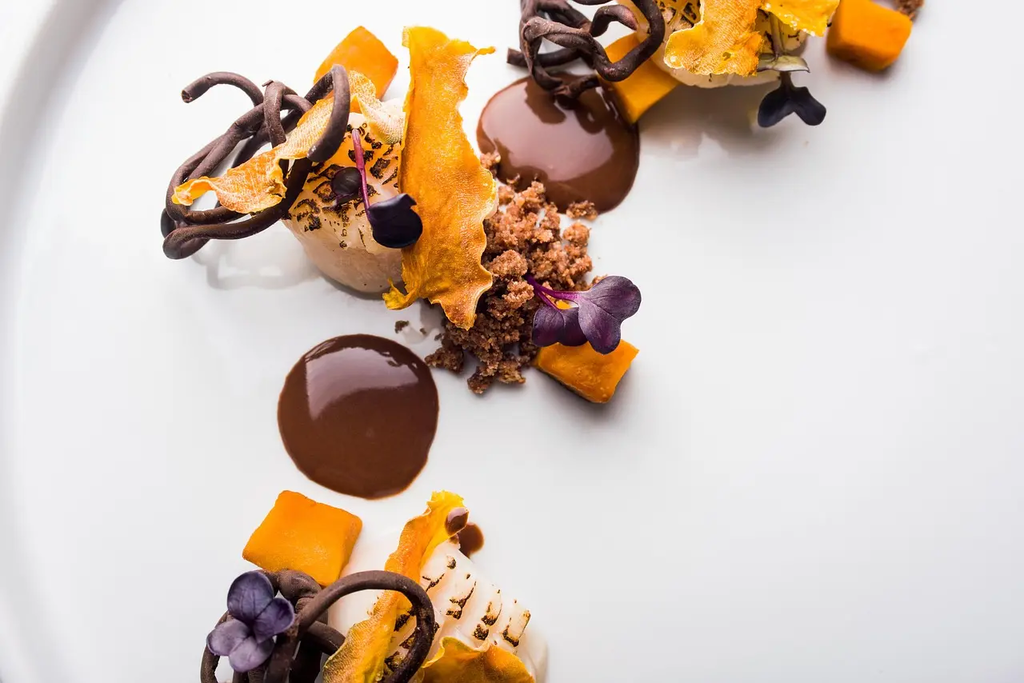
Artisanal cheese making is a traditional craft that involves producing cheese by hand, using time-honored methods and high-quality, often locally sourced ingredients. Unlike mass-produced cheeses, artisanal varieties emphasize unique flavors, textures, and characteristics influenced by the milk’s origin and the maker’s skill. This process often requires patience and expertise, resulting in cheeses that reflect the region’s culture and the artisan’s personal touch, offering a distinct and authentic culinary experience.
Artisanal Cheese Making
Artisanal cheese making is a traditional craft that involves producing cheese by hand, using time-honored methods and high-quality, often locally sourced ingredients. Unlike mass-produced cheeses, artisanal varieties emphasize unique flavors, textures, and characteristics influenced by the milk’s origin and the maker’s skill. This process often requires patience and expertise, resulting in cheeses that reflect the region’s culture and the artisan’s personal touch, offering a distinct and authentic culinary experience.
💡 Key Takeaways
- What sets artisanal cheese apart from mass-produced varieties—handcrafting, small-batch methods, and local sourcing.
- The traditional steps from milk to curd to aging, and how each step shapes texture and flavor.
- How milk source (species like cow, sheep, or goat) and terroir influence flavor, aroma, and texture in artisanal cheeses.
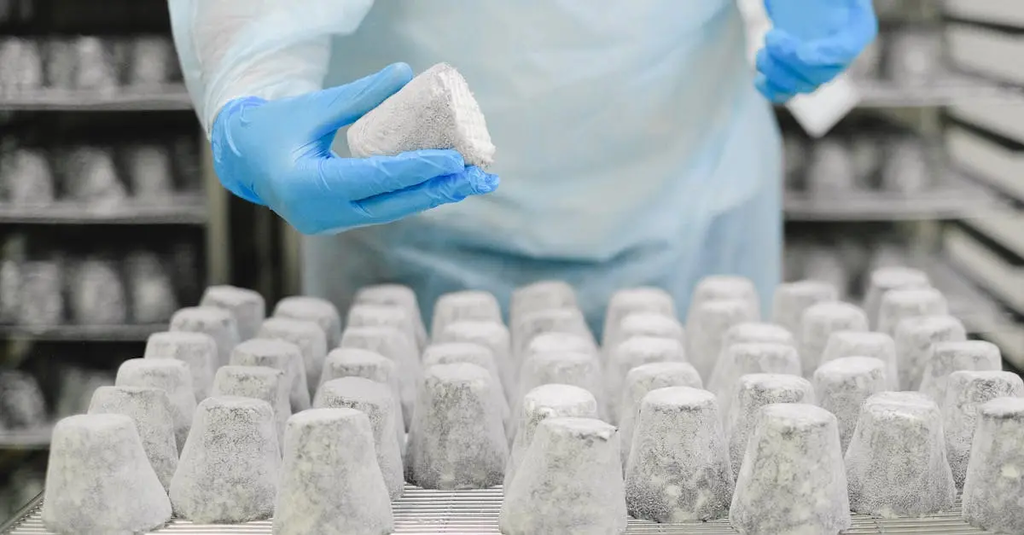
- How aging, rind development, and the environment mold the cheese's character.
❓ Frequently Asked Questions
What distinguishes artisanal cheese making from mass-produced cheese?
Artisanal cheese is made in small batches by hand using traditional methods and high-quality, often locally sourced milk, prioritizing unique flavors and textures over uniform production.
What are the typical steps in making artisanal cheese?
Milk is inoculated with cultures, coagulated with rennet, curds are cut and heated, whey is drained, the curds are shaped and salted, then the cheese is aged to develop flavor and texture.
How does the milk source affect the cheese?
Milk from different animals, breeds, feeds, and seasons influences fat, protein, and aroma, giving each cheese its distinct flavor and texture.
What factors influence aging and the final character of artisanal cheeses?
Aging temperature and humidity, the use of specific cultures and rennet, and the environment (air, molds) shape rind development, aroma, and flavor over time.