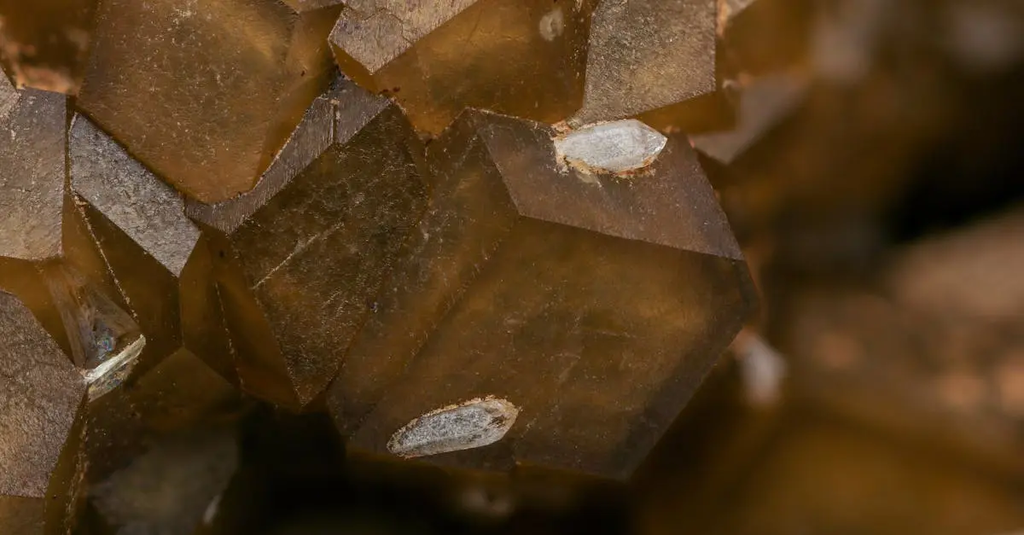
Astrochemistry is the study of chemical processes and molecules in space, particularly within the interstellar medium—the vast regions between stars filled with gas and dust. This field explores how atoms and molecules form, interact, and evolve in extreme cosmic environments. By analyzing the interstellar medium, astrochemists gain insights into the origins of stars, planets, and potentially life, as well as the chemical evolution of galaxies over cosmic time.
Astrochemistry & Interstellar Medium
Astrochemistry is the study of chemical processes and molecules in space, particularly within the interstellar medium—the vast regions between stars filled with gas and dust. This field explores how atoms and molecules form, interact, and evolve in extreme cosmic environments. By analyzing the interstellar medium, astrochemists gain insights into the origins of stars, planets, and potentially life, as well as the chemical evolution of galaxies over cosmic time.
💡 Key Takeaways
- Understand what the interstellar medium is and why chemistry occurs there.
- Learn how atoms and molecules form under extreme space conditions (low temperatures, radiation).
- Identify common interstellar molecules (e.g., H2, CO) and how they are detected.
- Explore how chemical evolution in space informs star and planet formation and the lifecycle of matter.
❓ Frequently Asked Questions
What is astrochemistry?
Astrochemistry studies chemical processes and molecules in space, focusing on how atoms combine, react, and evolve in the interstellar medium and other cosmic environments.
What is the interstellar medium (ISM)?
The matter between stars in a galaxy, composed of gas (mostly hydrogen and helium) and dust, existing in diffuse and dense phases where stars form and evolve.
What are some common molecules found in the ISM?
Hydrogen molecules (H2) are most abundant; carbon monoxide (CO) traces gas; other detections include water (H2O), ammonia (NH3), methanol (CH3OH), formaldehyde (H2CO), and various complex organic molecules.
How do molecules form in space?
Through gas-phase reactions in the gas and on the surfaces of dust grains (ice mantles) where atoms and simple molecules meet and react, especially in dense clouds.
Why is astrochemistry important for astronomy?
It explains how molecules cool gas to form stars, reveals chemical evolution in galaxies, and informs the composition of planets and the potential for life.