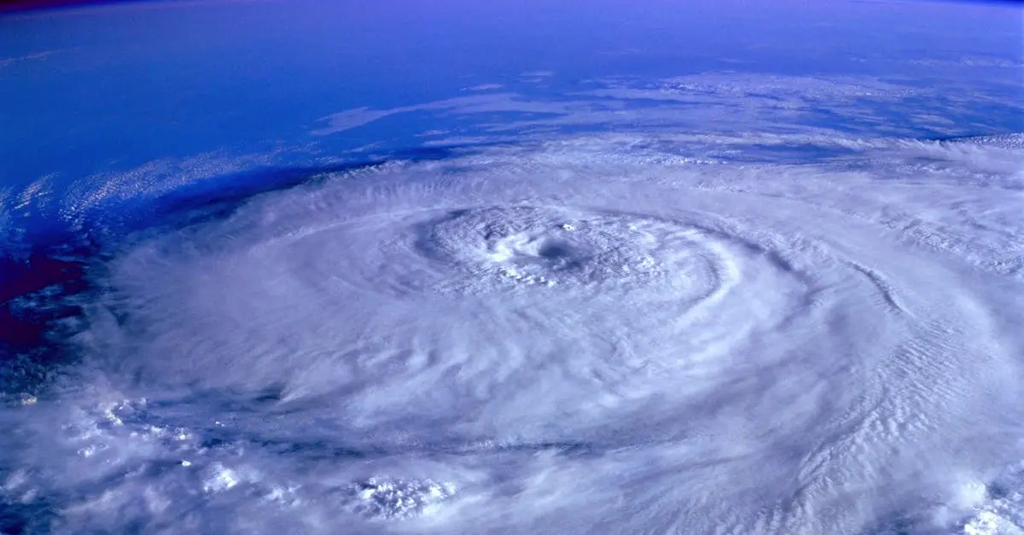
Astronomy and Space Science involve the study of celestial objects, such as stars, planets, and galaxies, as well as the broader universe beyond Earth. This field explores the origins, evolution, and physical properties of cosmic phenomena. Using telescopes, satellites, and space probes, scientists gather data to understand the universe’s structure and dynamics, uncovering mysteries about black holes, dark matter, and the potential for life beyond our planet.
Astronomy & Space Science+45
Astronomy and Space Science involve the study of celestial objects, such as stars, planets, and galaxies, as well as the broader universe beyond Earth. This field explores the origins, evolution, and physical properties of cosmic phenomena. Using telescopes, satellites, and space probes, scientists gather data to understand the universe’s structure and dynamics, uncovering mysteries about black holes, dark matter, and the potential for life beyond our planet.
💡 Key Takeaways
- Identify stars, planets, galaxies, and other celestial objects and describe their basic properties.
- Explain how the universe began and evolved according to current cosmology.
- Describe how telescopes, satellites, and space probes collect data about space.
- Understand how observations reveal the physical properties of cosmic phenomena (e.g., temperature, composition, motion).
❓ Frequently Asked Questions
What is astronomy?
Astronomy is the science that studies celestial objects (like stars, planets, and galaxies) and the universe beyond Earth, including their origins, evolution, and physical properties.
What roles do telescopes, satellites, and space probes play in astronomy?
Telescopes collect and analyze light from distant objects to reveal their nature, while space probes and satellites observe bodies up close, gathering data beyond Earth's atmosphere.
What distinguishes a planet from a dwarf planet?
A planet orbits the Sun, is spherical due to its gravity, and has cleared its orbital path; a dwarf planet is also spherical but has not cleared its orbit.
What is a galaxy?
A galaxy is a gravitationally bound system containing billions of stars, along with gas, dust, and dark matter.
What is the Big Bang theory?
The leading explanation for the origin of the universe, describing its expansion from a hot, dense state about 13.8 billion years ago.