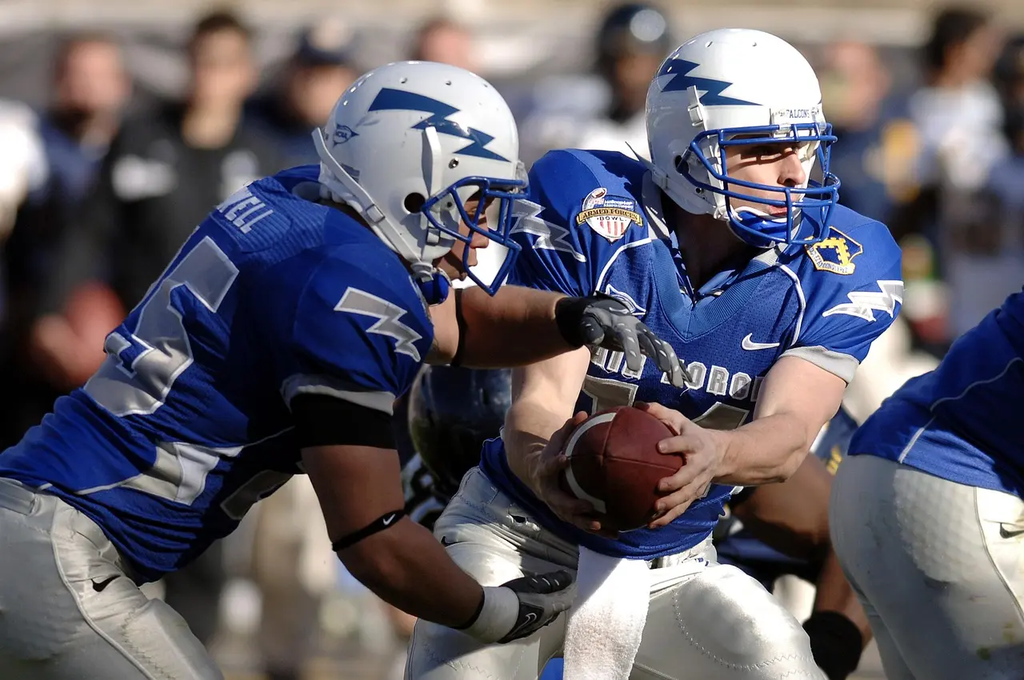
"Athletes Who Became Activists" refers to sports figures who use their public platforms to advocate for social, political, or environmental causes. These individuals leverage their fame and influence to raise awareness, inspire change, and speak out against injustice. Their activism often extends beyond their athletic achievements, making significant impacts in areas such as civil rights, equality, and community development, while sometimes facing criticism or risk to their careers for their outspoken stances.
Athletes Who Became Activists+50
"Athletes Who Became Activists" refers to sports figures who use their public platforms to advocate for social, political, or environmental causes. These individuals leverage their fame and influence to raise awareness, inspire change, and speak out against injustice. Their activism often extends beyond their athletic achievements, making significant impacts in areas such as civil rights, equality, and community development, while sometimes facing criticism or risk to their careers for their outspoken stances.

💡 Key Takeaways
- Learn how athletes use their fame to advocate for social, political, or environmental causes.
- Identify notable athlete-activists across different sports and eras.
- Explore common strategies they employ, such as public statements, philanthropy, and organized protests.
- Analyze the impact of athlete activism on fans, sponsors, leagues, and policy discussions — including potential backlash and support.
- Examine how media coverage and public perception shape the effectiveness of athlete-driven advocacy.
❓ Frequently Asked Questions
What does it mean for an athlete to become an activist?
Athletes use their fame and platforms to advocate for social, political, or environmental causes beyond sports, often speaking out and supporting initiatives.
What kinds of causes do athlete activists typically champion?
Racial and gender equality, LGBTQ+ rights, environmental protection, mental health awareness, access to education, and humanitarian or anti-corruption efforts.
How can athletes influence change without playing?
Through public statements, social media campaigns, charitable work, fundraising, endorsements, organizing events, or supporting policy changes.
Can you name some well-known athlete-activists and their focus areas?
Muhammad Ali (civil rights, anti-war), Colin Kaepernick (racial justice and police brutality), Billie Jean King (gender equality and LGBTQ+ rights), LeBron James (education and social justice), Megan Rapinoe (equal pay and LGBTQ+ rights).
Why can athlete activism be controversial, and why does it matter?
It can polarize fans and sponsors, but it also raises awareness, sparks dialogue, and motivates others to take action, broadening the impact beyond the sport.