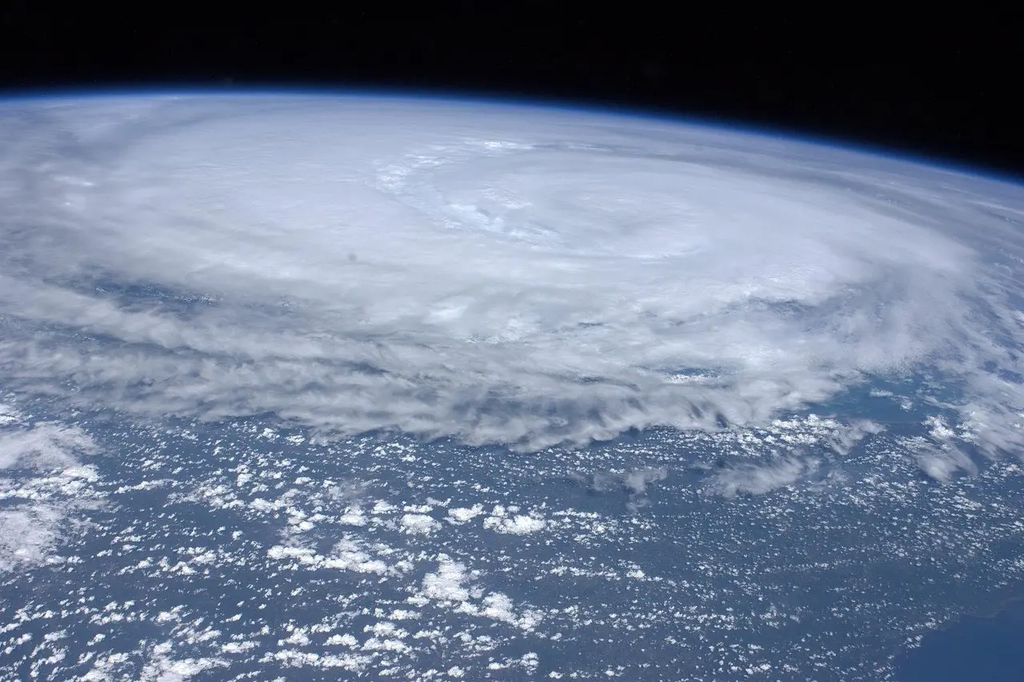
Atmospheric rivers are long, narrow bands of concentrated moisture in the atmosphere that transport vast amounts of water vapor from the tropics toward higher latitudes. When these "rivers in the sky" make landfall, they can unleash intense rainfall, causing severe flooding, landslides, and widespread damage. Their unpredictable nature and capacity for extreme weather events highlight the powerful and sometimes frightening forces within Earth’s climate system.
Atmospheric Rivers
Atmospheric rivers are long, narrow bands of concentrated moisture in the atmosphere that transport vast amounts of water vapor from the tropics toward higher latitudes. When these "rivers in the sky" make landfall, they can unleash intense rainfall, causing severe flooding, landslides, and widespread damage. Their unpredictable nature and capacity for extreme weather events highlight the powerful and sometimes frightening forces within Earth’s climate system.

💡 Key Takeaways
- Define atmospheric rivers and explain their role in delivering large amounts of moisture to mid-latitudes.
- Describe how atmospheric rivers form and why they can trigger extreme rainfall and floods.
- Learn how researchers detect and forecast ARs using satellites, radar, and weather models.
- Discuss the impacts of atmospheric rivers on water resources and flood risk, including considerations under climate change.
❓ Frequently Asked Questions
What is an atmospheric river?
A long, narrow corridor in the atmosphere that transports large amounts of water vapor from tropical regions toward mid-latitudes, often bringing heavy rain or snow when it reaches land.
How do atmospheric rivers form?
They form when warm, moist air is funneled into a concentrated ribbon by weather systems, enabling large-scale moisture transport that can condense into precipitation when it rises over terrain.
Why are atmospheric rivers important for weather and water supply?
They can provide essential rainfall and snowpack for drought relief and reservoirs, but can also cause extreme rainfall and floods if they are very intense or slow-moving.
How do scientists detect and measure atmospheric rivers?
Researchers identify long, narrow bands of high moisture transport using observations and models, often using a metric called integrated vapor transport (IVT); higher IVT indicates a stronger atmospheric river.