Autonomous Construction and Robotics-Ready Design refers to planning and developing construction projects with integrated support for automation and robotics technologies. This approach ensures that building layouts, structural elements, and site logistics are optimized for robotic equipment, such as automated machinery, drones, and 3D printers. The goal is to enhance efficiency, safety, and precision, while reducing labor costs and construction timelines by seamlessly incorporating advanced robotics into every stage of the construction process.
Autonomous Construction and Robotics-Ready Design
Autonomous Construction and Robotics-Ready Design refers to planning and developing construction projects with integrated support for automation and robotics technologies. This approach ensures that building layouts, structural elements, and site logistics are optimized for robotic equipment, such as automated machinery, drones, and 3D printers. The goal is to enhance efficiency, safety, and precision, while reducing labor costs and construction timelines by seamlessly incorporating advanced robotics into every stage of the construction process.
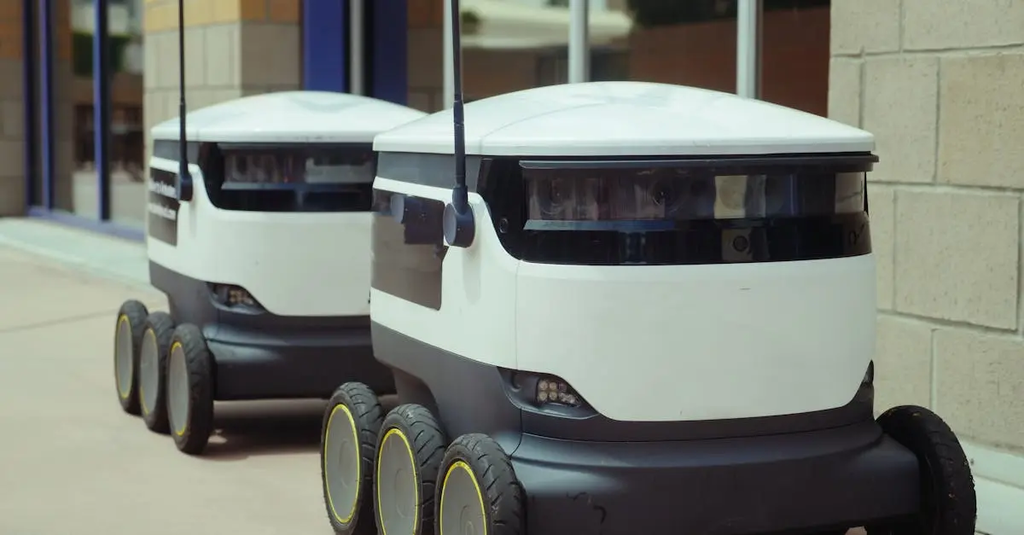
💡 Key Takeaways
- Grasp what autonomous construction is and how robotics-ready design supports automated fabrication and assembly.
- Learn design principles that make buildings easier for robots to construct, like modularity, standardized interfaces, and tolerances.
- Understand how digital tools (BIM, digital twins, sensors) enable planning, simulation, and control of autonomous construction workflows.
- Recognize safety, regulatory, and site-readiness considerations when adopting autonomous construction and robotics on real projects.
❓ Frequently Asked Questions
What is autonomous construction?
The use of autonomous or semi-autonomous robots and machines to perform construction tasks with limited human control, guided by AI, sensors, and digital models.
What does robotics-ready design mean?
Designing structures and components so robots can easily fabricate, assemble, transport, and service them, using modularity, standard interfaces, and robot-friendly tolerances.
What technologies enable autonomous construction?
Drones for surveying, autonomous mobile robots for material handling, robotic bricklayers/welders, 3D concrete printing, and BIM/digital twins with AI-driven planning.
What are the benefits of robotics-ready design?
Improved safety, higher precision, faster construction, reduced manual labor, and easier integration of automation across projects.