Backsplash and grout techniques refer to the methods used to install and finish the protective surface behind sinks and stoves, typically in kitchens or bathrooms. Proper backsplash installation involves selecting suitable materials, measuring, cutting, and adhering tiles or panels. Grout techniques focus on filling the gaps between tiles with grout, ensuring even application, smooth joints, and effective sealing. Mastery of these techniques enhances durability, appearance, and moisture resistance of tiled surfaces.
Backsplash & Grout Techniques
Backsplash and grout techniques refer to the methods used to install and finish the protective surface behind sinks and stoves, typically in kitchens or bathrooms. Proper backsplash installation involves selecting suitable materials, measuring, cutting, and adhering tiles or panels. Grout techniques focus on filling the gaps between tiles with grout, ensuring even application, smooth joints, and effective sealing. Mastery of these techniques enhances durability, appearance, and moisture resistance of tiled surfaces.
💡 Key Takeaways
- Choose appropriate backsplash materials and plan your layout for your space.
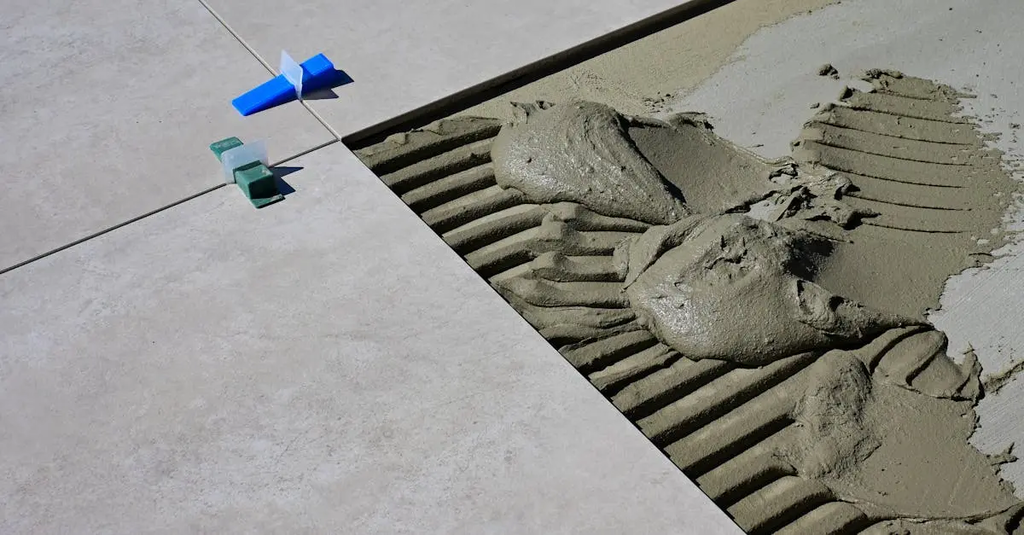
- Measure, cut, and install tiles or panels with the right adhesive and spacing.
- Apply grout correctly, achieving a durable, uniform finish and water resistance.
- Finish with edging, sealing, and ongoing maintenance to prevent stains and mold.
❓ Frequently Asked Questions
What is the purpose of a backsplash?
A backsplash protects walls from water, grease, and stains behind sinks and stoves and adds style to kitchens and bathrooms, usually installed with tiles or panels.
What materials are commonly used for backsplashes?
Common options include ceramic or porcelain tile, glass, natural stone, metal, and solid-surface panels. Choose based on durability, heat resistance, cleaning ease, and style.
What are the basic steps to install a backsplash?
Measure the area, plan the layout, cut tiles or panels, apply adhesive, set tiles with spacers, let set, remove spacers, apply grout, wipe excess grout, and seal if needed.
What is grout, and how do you choose and finish it?
Grout fills the tile joints. Cementitious grout is common and affordable but may stain; epoxy grout resists stains but costs more and can be harder to work with. After application, seal cementitious grout to protect it from moisture and stains.