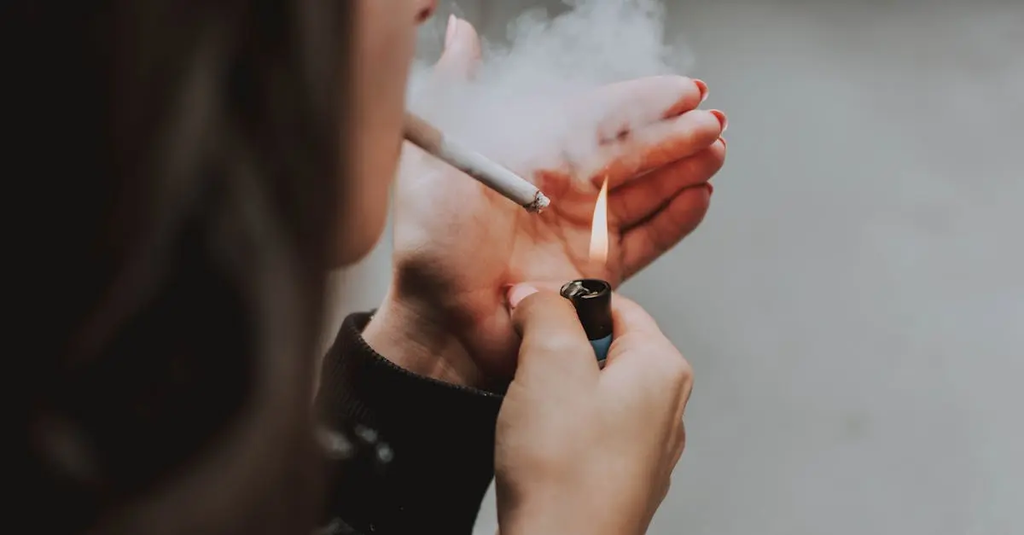
Bad habits are repetitive behaviors or actions that are detrimental to one’s well-being, health, or productivity. They often develop unconsciously and can be difficult to break. Examples include procrastination, excessive screen time, smoking, or unhealthy eating. These habits can interfere with personal goals and relationships, leading to negative consequences over time. Overcoming bad habits usually requires self-awareness, discipline, and consistent effort to replace them with healthier alternatives.
Bad Habits+50
Bad habits are repetitive behaviors or actions that are detrimental to one’s well-being, health, or productivity. They often develop unconsciously and can be difficult to break. Examples include procrastination, excessive screen time, smoking, or unhealthy eating. These habits can interfere with personal goals and relationships, leading to negative consequences over time. Overcoming bad habits usually requires self-awareness, discipline, and consistent effort to replace them with healthier alternatives.
💡 Key Takeaways
- Understand what a bad habit is and how it can form automatically through repeated cues and rewards.
- Recognize the impact of bad habits on health, wellbeing, and productivity.
- Learn common examples (procrastination, excessive screen time, smoking, unhealthy eating) and how to spot your own triggers.
- Discover practical strategies to break them, including awareness, substitution, and modifying your environment and routines.
❓ Frequently Asked Questions
What is a bad habit?
A repetitive behavior that harms your well‑being, health, or productivity, often done automatically or unconsciously.
How do bad habits form?
They usually develop via cues that trigger a routine and a reward; repetition strengthens the pattern, and stress or environment can make it stick.
What are common examples of bad habits mentioned?
Procrastination, excessive screen time, smoking, and unhealthy eating.
How can you start to break a bad habit?
Identify the trigger, replace the habit with a healthier routine, reduce exposure, and track progress with small, achievable steps.