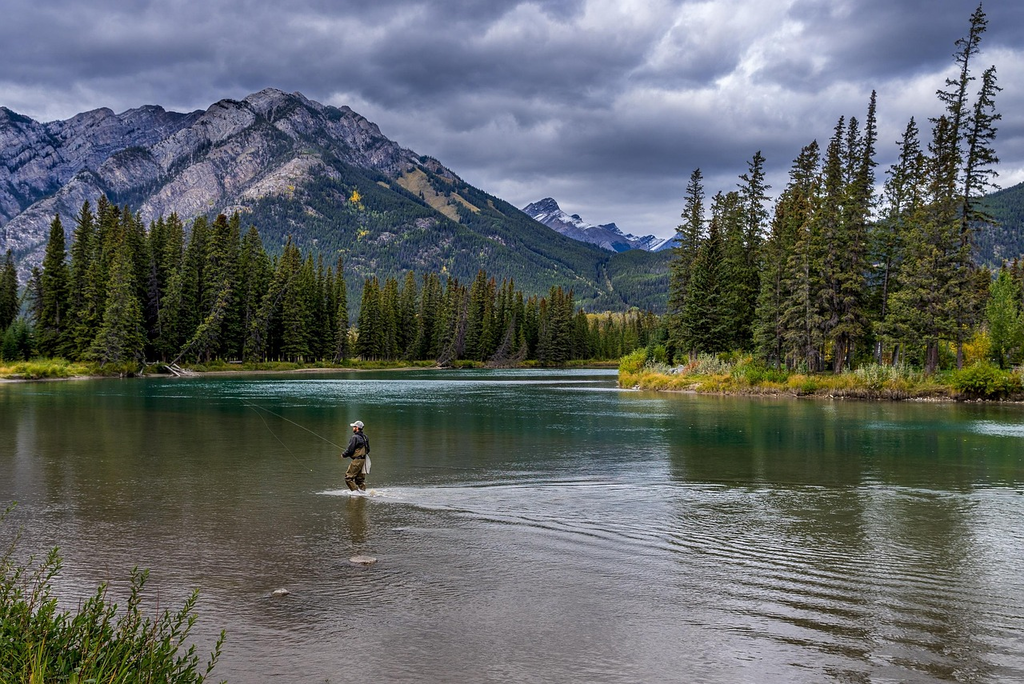
Banff National Park, located in the Canadian Rockies of Alberta, is renowned for its stunning mountain landscapes, turquoise lakes, and abundant wildlife. Established in 1885, it is Canada’s oldest national park and a UNESCO World Heritage Site. Visitors flock to Banff for outdoor activities such as hiking, skiing, and canoeing, as well as to experience iconic landmarks like Lake Louise and Moraine Lake, making it a true natural wonder.
Banff National Park
Banff National Park, located in the Canadian Rockies of Alberta, is renowned for its stunning mountain landscapes, turquoise lakes, and abundant wildlife. Established in 1885, it is Canada’s oldest national park and a UNESCO World Heritage Site. Visitors flock to Banff for outdoor activities such as hiking, skiing, and canoeing, as well as to experience iconic landmarks like Lake Louise and Moraine Lake, making it a true natural wonder.
💡 Key Takeaways
- Locate Banff National Park in the Canadian Rockies and identify its major geographic features
- Recognize iconic sights like Lake Louise and Moraine Lake and understand their glacial-blue waters
- Learn about common wildlife and safety guidelines for viewing animals
- Understand how seasons and weather affect activities and park access
- Explore conservation principles and how visitors can minimize impact
❓ Frequently Asked Questions
What is Banff National Park?
Canada’s first national park (est. 1885) located in the Canadian Rockies of Alberta; a UNESCO World Heritage site as part of the Canadian Rocky Mountain Parks.
Where is Banff National Park located and how big is it?
Located in Alberta, Canada, Banff spans about 6,641 square kilometers of mountains, forests, and glacial lakes, with entry points near Calgary and the towns of Banff and Lake Louise.
What are some iconic sights and activities in Banff?
Popular sights include Lake Louise and Moraine Lake; activities include hiking, skiing, wildlife viewing, gondola rides, and soaking in hot springs.
When is the best time to visit Banff?
Summer (June–September) for hiking and accessible trails; winter (November–March) for skiing and snow sports; shoulder seasons offer fewer crowds.
What safety tips should visitors follow in Banff?
Keep a safe distance from wildlife, store food properly, stay on marked trails, carry bear spray where appropriate, and check park advisories and weather before heading out.