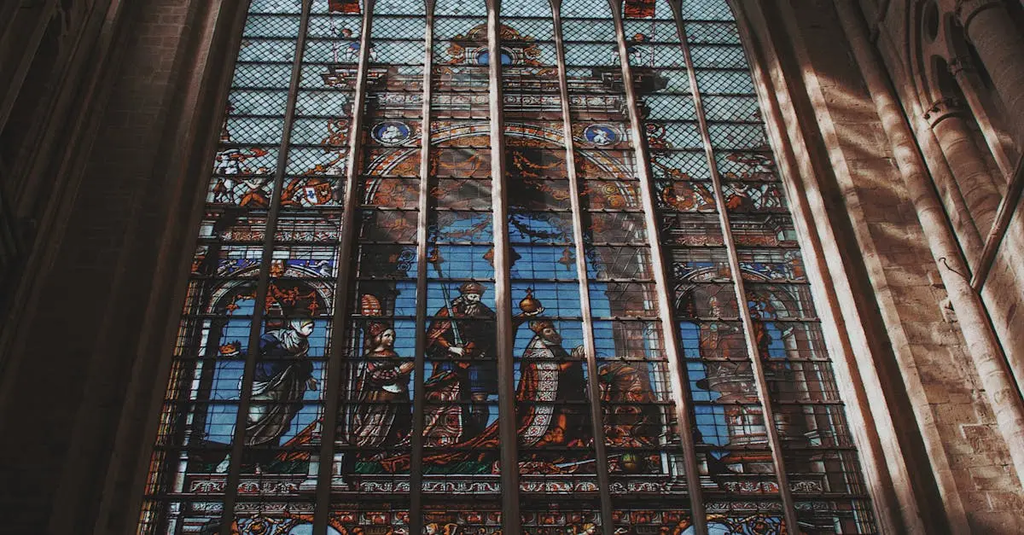
Baroque and Rococo are two distinct artistic styles that flourished in Europe from the 17th to the 18th centuries. Baroque is characterized by grandeur, dramatic contrasts, and emotional intensity, often seen in architecture, painting, and music. Rococo emerged later, evolving from Baroque but favoring lighter, more playful themes, ornate decoration, pastel colors, and elegant, flowing forms. Both styles significantly influenced European art, culture, and design.
Baroque and Rococo
Baroque and Rococo are two distinct artistic styles that flourished in Europe from the 17th to the 18th centuries. Baroque is characterized by grandeur, dramatic contrasts, and emotional intensity, often seen in architecture, painting, and music. Rococo emerged later, evolving from Baroque but favoring lighter, more playful themes, ornate decoration, pastel colors, and elegant, flowing forms. Both styles significantly influenced European art, culture, and design.
💡 Key Takeaways
- Differentiate Baroque and Rococo in mood, subject matter, and decoration.
- Baroque features: grandeur, dramatic contrast (light/shadow), and dynamic movement across architecture, painting, and music.
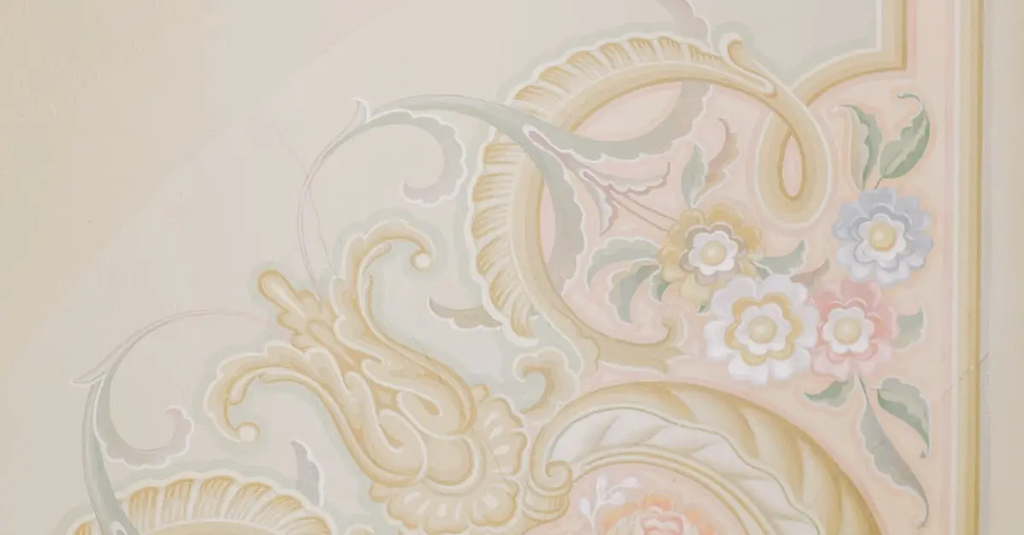
- Rococo features: light, playful themes, ornate decoration, pastel colors, and intimate aristocratic scenes.
- Understand historical roles: Baroque as Counter-Reformation and absolutist power; Rococo as courtly leisure and fashionable urban life.
- Recognize key artists and works that illustrate the shift from Baroque to Rococo (e.g., Baroque: Bernini/Caravaggio; Rococo: Watteau/Fragonard).
❓ Frequently Asked Questions
What defines Baroque art?
Baroque art emphasizes grandeur, movement, dramatic contrasts of light and shadow, emotional intensity, and often religious or monumental subjects across architecture, painting, and music.
How does Rococo differ from Baroque?
Rococo is a lighter, more intimate style that emerged later, using pastel colors, playful curves, and ornate decoration with secular, aristocratic subjects, unlike Baroque's dramatic grandeur.
What are common features of Rococo painting and decoration?
Delicate ornamentation, curving lines (rocaille), shell motifs, pastel palettes, and scenes of romance, leisure, and salon culture.
What are typical Baroque characteristics in architecture and music?
In architecture: grand, dynamic spaces and dramatic effects; in painting: strong light contrasts and movement; in music: ornate, expressive counterpoint and emotional intensity.