Basic Addition (Puzzles for All Ages) refers to engaging activities designed to help individuals of any age practice and improve their addition skills. These puzzles typically present simple mathematical problems that require adding numbers together, making them accessible for beginners while still offering enjoyment and mental stimulation for older participants. They are often used in educational settings or as fun brain exercises, promoting logical thinking and arithmetic proficiency in a playful manner.
Basic Addition+50
Basic Addition (Puzzles for All Ages) refers to engaging activities designed to help individuals of any age practice and improve their addition skills. These puzzles typically present simple mathematical problems that require adding numbers together, making them accessible for beginners while still offering enjoyment and mental stimulation for older participants. They are often used in educational settings or as fun brain exercises, promoting logical thinking and arithmetic proficiency in a playful manner.
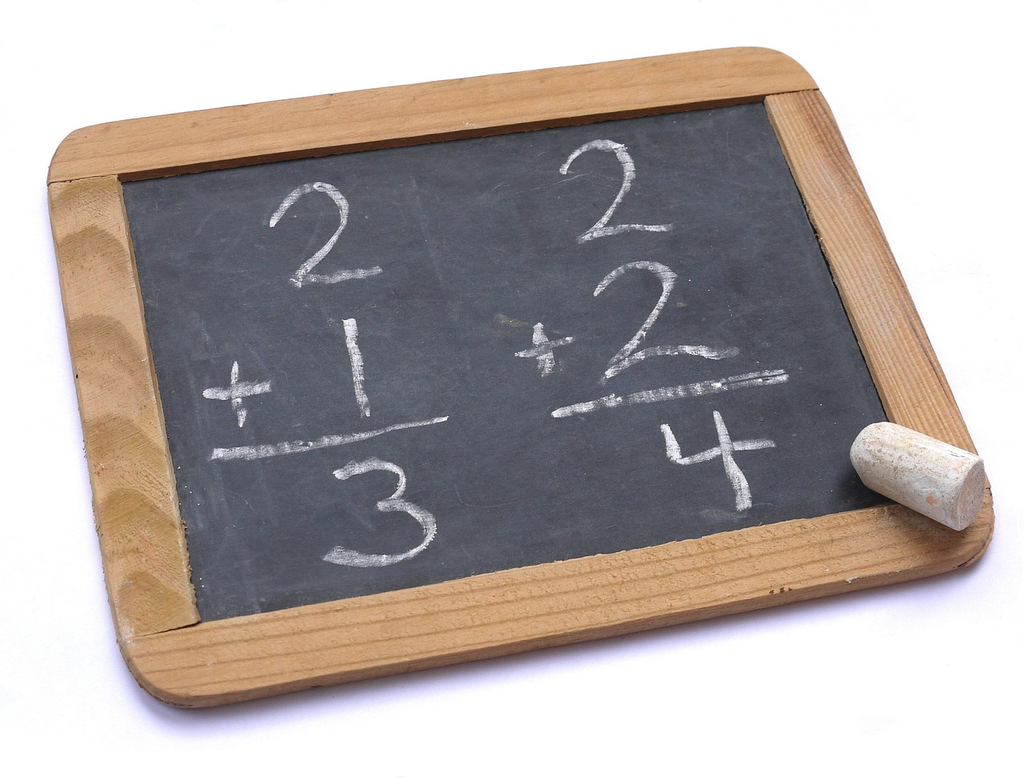
💡 Key Takeaways
- Align numbers by place value (ones with ones, tens with tens) when adding.
- Perform regrouping (carrying) to handle sums that exceed 9 in a column.
- Use mental math strategies to add quickly, such as making tens or using doubles.
- Convert word problems into simple addition equations and solve them.
❓ Frequently Asked Questions
What is basic addition?
Basic addition is combining two or more numbers to find their total; the plus sign (+) is used, and the result is called the sum (e.g., 7 + 5 = 12).
How do you add multi-digit numbers?
Align digits by place value (ones, tens, hundreds), add from right to left, and carry to the next column when a sum is 10 or more.
What is carrying in addition?
Carrying means that when a column sums to 10 or more, you write the ones digit here and move the tens to the next higher place value.
How do you add decimals or numbers with different decimal places?
Align the decimal points, pad with zeros to have the same number of decimal places, then add as normal and place the decimal in the correct position.