"Basic Directions (Puzzles for All Ages)" refers to simple, straightforward puzzles designed to help individuals of any age practice understanding and following directions. These puzzles typically involve instructions such as moving up, down, left, or right, and may include activities like mazes, pattern recognition, or step-by-step tasks. They aim to enhance cognitive skills, problem-solving abilities, and comprehension, making them accessible and enjoyable for both children and adults.
Basic Directions+50
"Basic Directions (Puzzles for All Ages)" refers to simple, straightforward puzzles designed to help individuals of any age practice understanding and following directions. These puzzles typically involve instructions such as moving up, down, left, or right, and may include activities like mazes, pattern recognition, or step-by-step tasks. They aim to enhance cognitive skills, problem-solving abilities, and comprehension, making them accessible and enjoyable for both children and adults.
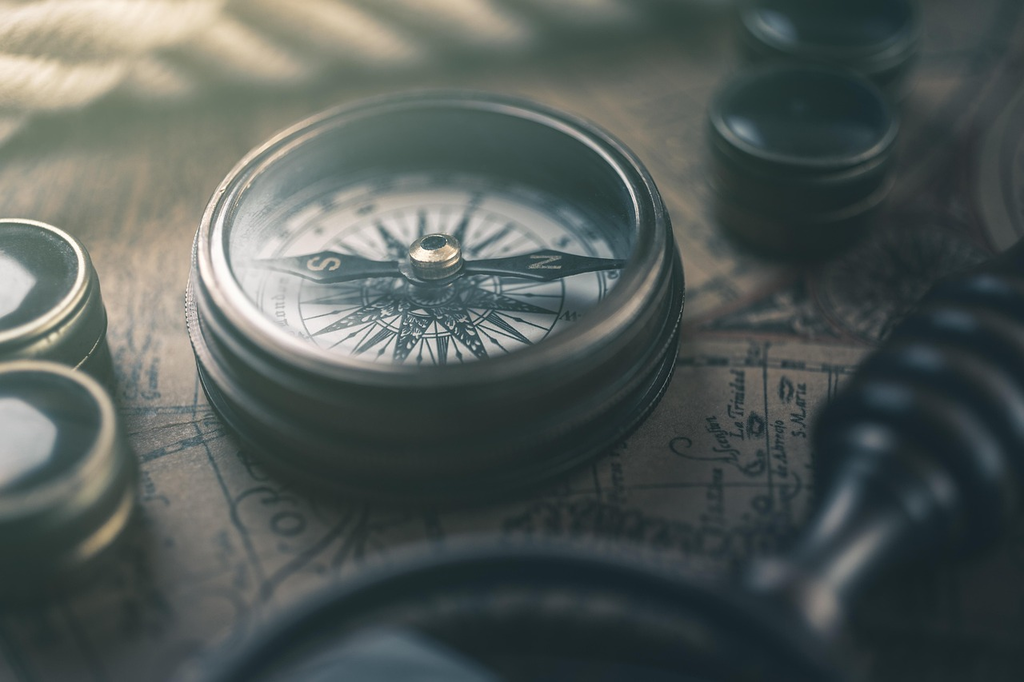
💡 Key Takeaways
- Define and use basic directions (left, right, up, down) in everyday tasks.
- Read simple maps or diagrams and translate them into easy-to-follow steps.
- Give and follow short, clear turn-by-turn directions to reach a destination.
- Recognize and explain direction cues in your environment (signs, landmarks) to stay oriented.
❓ Frequently Asked Questions
What are the basic directions?
The basic directions are the four cardinal directions—north, east, south, and west—used to describe location and navigate.
How can you find north without a compass?
Use the sun and a time reference: in the northern hemisphere, shadows point north around solar noon. An analog watch method can help: point the hour hand at the sun; halfway between 12 and the hand is south, so north is opposite.
What are intermediate directions?
Intermediate directions lie between the cardinal ones: northeast (NE), southeast (SE), southwest (SW), and northwest (NW). They describe more precise bearings.
How do you use a map to determine direction?
Orient the map so its north aligns with true north, locate your position, and follow the route or directions shown.