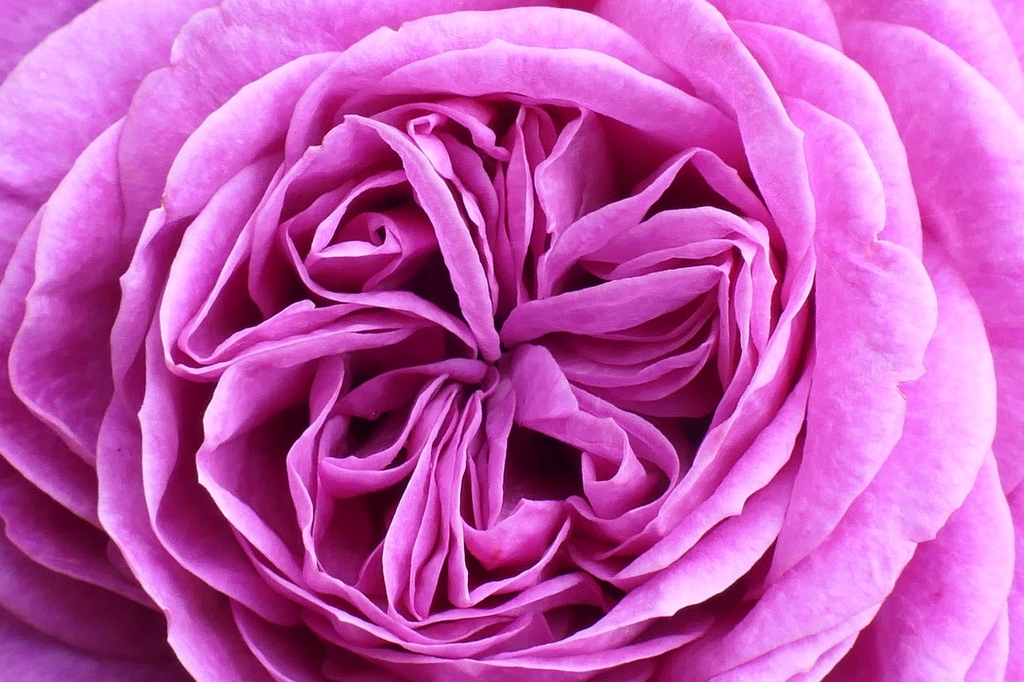
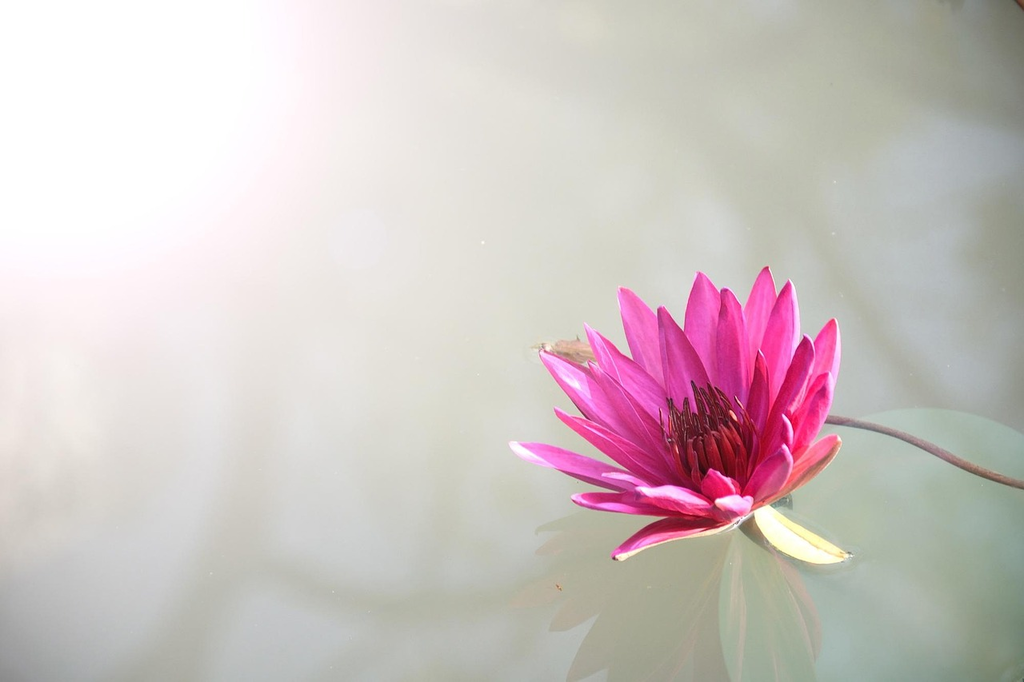
The basic anatomy of a lotus flower includes several key parts: broad, rounded petals arranged symmetrically around a central yellow seed pod, with numerous stamens encircling the pod. The petals are smooth and often pink or white, opening widely when in bloom. Unlike roses, which have layered, overlapping petals and a distinct scent, lotus blooms are characterized by their open, cup-like form, floating leaves, and their ability to thrive in aquatic environments.
Basic Anatomy of a Lotus+50
The basic anatomy of a lotus flower includes several key parts: broad, rounded petals arranged symmetrically around a central yellow seed pod, with numerous stamens encircling the pod. The petals are smooth and often pink or white, opening widely when in bloom. Unlike roses, which have layered, overlapping petals and a distinct scent, lotus blooms are characterized by their open, cup-like form, floating leaves, and their ability to thrive in aquatic environments.
💡 Key Takeaways
- Identify the major parts of a lotus flower: petals (tepals), stamens, and the pistil.
- Understand the pistil structure (stigma, style, ovary) and how the ovary develops into seeds.
- Recognize the distinctive central seed pod (receptacle) of the lotus flower.
- Learn how stamens surround the pistil and provide pollen for pollination.
- Know the general flower-to-fruit progression: petals fall and the ovary matures into a seed pod.
❓ Frequently Asked Questions
What are the main external parts of a lotus plant?
The lotus has underground rhizomes in mud, long leaf stalks (petioles), round floating leaves, and flowering stems that rise above the water.
What is special about lotus leaves?
Lotus leaves are round and often have a central attachment point where the petiole meets the leaf (peltate). They float on water and are water-repellent.
What are the key parts of a lotus flower?
The flower contains petals and sepals around a central receptacle that bears many stamens (male parts) and a multi-loculed ovary (female part) that forms the seedpod.
What does the lotus seedpod do?
As seeds develop, the carpels form into a rounded pod with separate compartments; when mature, the pod dries and seeds are released.
How do lotus rhizomes function in the plant’s life cycle?
Rhizomes store nutrients, anchor the plant in mud, and enable vegetative spread to produce new stems.