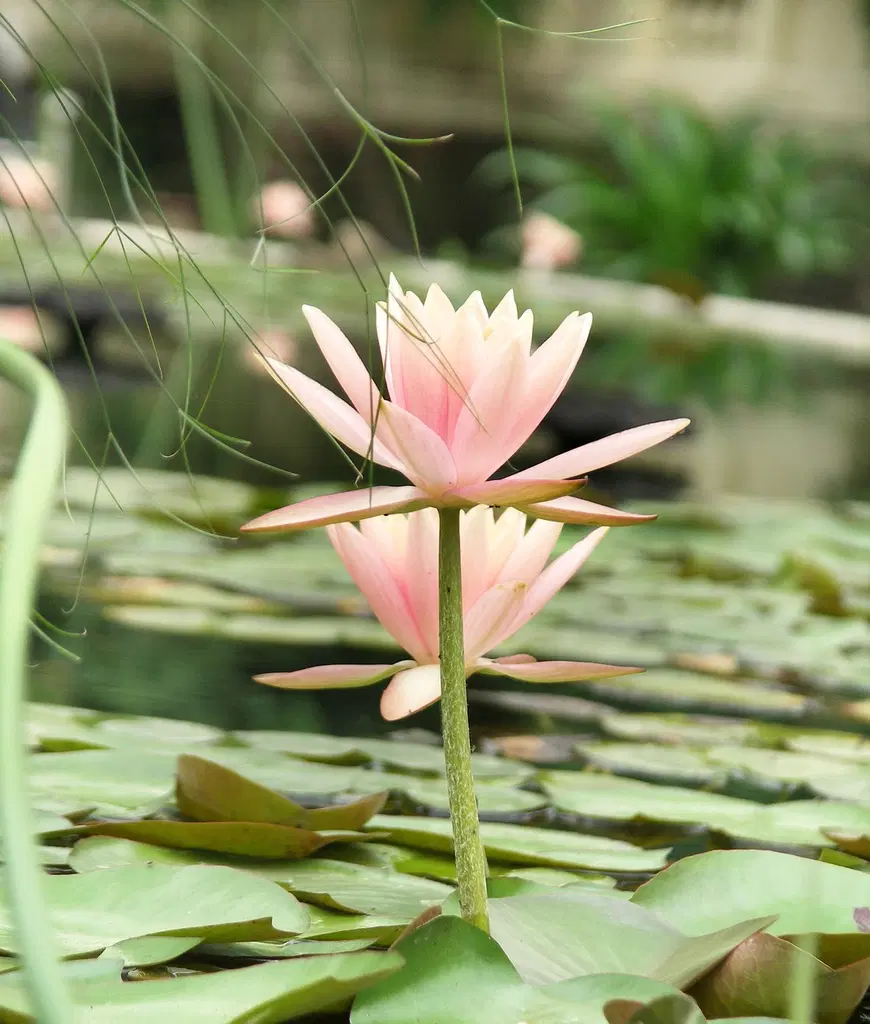
The basic anatomy of a rose includes several key parts: petals, which form the colorful bloom; sepals, which protect the bud before it opens; the stamen, containing pollen-producing anthers; and the pistil, the flower's female reproductive part. Both roses and lotuses exhibit these structures, although their arrangement and appearance may differ. Together, these components enable the rose to attract pollinators and reproduce, showcasing the flower’s beauty and biological function.
Basic Anatomy of a Rose+45
The basic anatomy of a rose includes several key parts: petals, which form the colorful bloom; sepals, which protect the bud before it opens; the stamen, containing pollen-producing anthers; and the pistil, the flower's female reproductive part. Both roses and lotuses exhibit these structures, although their arrangement and appearance may differ. Together, these components enable the rose to attract pollinators and reproduce, showcasing the flower’s beauty and biological function.

💡 Key Takeaways
- Identify the main parts of a rose bloom: petals, sepals, stamen (anthers/filaments), pistil (stigma/style/ovary), and the receptacle.
- Describe the role of each part: petals attract pollinators; stamens produce pollen; pistil receives pollen and forms seeds/hips.
- Observe common structures you can observe on a rose: outer and inner petals, calyx around the base, and the central reproductive organs.
- Understand how the stem, leaves, and thorns support growth and transport water and nutrients.
❓ Frequently Asked Questions
What are the main parts of a rose flower?
Petals, sepals (the calyx), and the reproductive organs: stamens (filaments and anthers) and the pistil (stigma, style, and ovary). The ovary develops into a rose hip after fertilization.
What is the role of the stigma in a rose’s pistil?
The stigma receives pollen; pollen grains germinate here and grow a tube down the style to fertilize the ovary.
What is a rose hip and when does it form?
A rose hip is the fruit that forms from the ovary after fertilization and contains seeds.
What are thorns on a rose for?
Thorns are sharp projections on the stem that help deter herbivores and protect the plant.
What is the calyx and what does it do?
The calyx is the group of sepals that protects the developing bud and supports the flower as it opens.