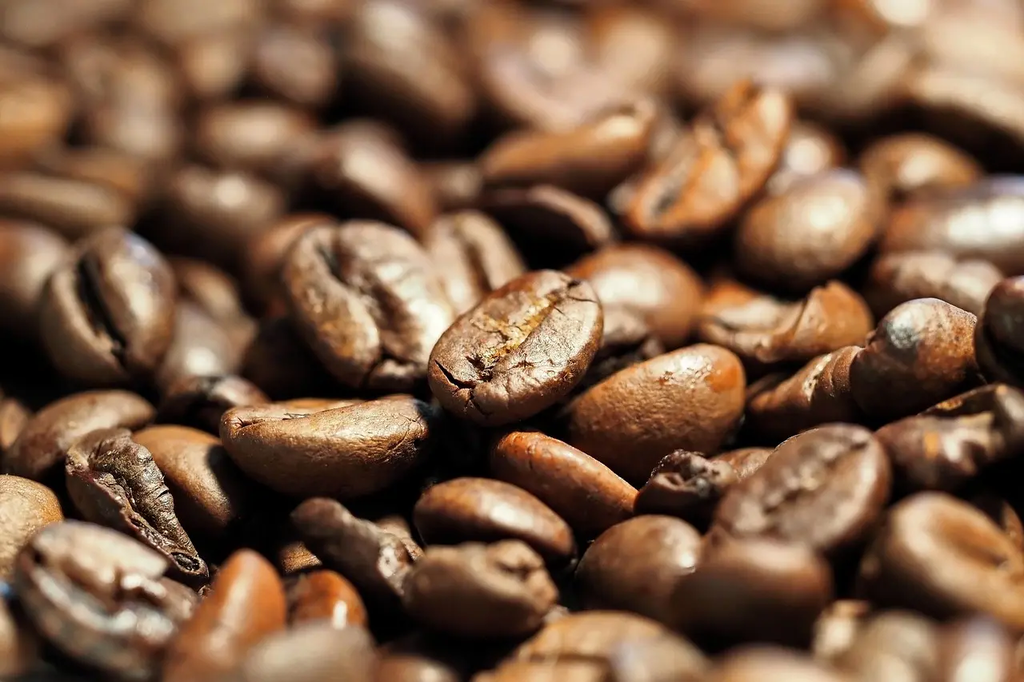
Basic coffee brewing methods refer to the fundamental techniques used to prepare coffee, such as drip brewing, French press, pour-over, espresso, and cold brew. Each method influences the flavor, strength, and texture of the coffee, reflecting diverse preferences in coffee and caffeine culture. These methods are celebrated worldwide, shaping daily rituals and social experiences, and highlighting the importance of technique, equipment, and coffee-to-water ratio in achieving the perfect cup.
Basic Coffee Brewing Methods+50
Basic coffee brewing methods refer to the fundamental techniques used to prepare coffee, such as drip brewing, French press, pour-over, espresso, and cold brew. Each method influences the flavor, strength, and texture of the coffee, reflecting diverse preferences in coffee and caffeine culture. These methods are celebrated worldwide, shaping daily rituals and social experiences, and highlighting the importance of technique, equipment, and coffee-to-water ratio in achieving the perfect cup.
💡 Key Takeaways
- Identify common coffee brewing methods (drip, pour-over, French press, espresso) and what each method emphasizes.
- Understand how grind size, coffee-to-water ratio, and brew time affect flavor and strength.
- Learn how water temperature and contact time influence extraction and taste.
- Follow basic steps for a reliable pour-over or drip brew (prep, bloom, pour, and finish) to a balanced cup.
- Recognize why fresh beans and clean equipment improve coffee quality and consistency.
❓ Frequently Asked Questions
What are the two broad categories of basic coffee brewing methods?
Immersion methods steep grounds in water (e.g., French press, Aeropress), while filtration/drip methods pour hot water through grounds and a filter (e.g., pour-over, drip machines).
How does grind size affect extraction and flavor?
Finer grinds extract faster and can taste bitter or over-extracted; coarser grinds extract more slowly and can taste weak; match grind size to the brew method.
What is the recommended water temperature for brewing most coffees?
Aim for 90–96°C (195–205°F); temperatures outside this range can under- or over-extract flavors.
What is a common starting coffee-to-water ratio for a standard brew?
About 1:15 to 1:17 by weight (e.g., 20 g coffee to 300 g water); adjust to taste.
What distinguishes pour-over from immersion methods?
Pour-over uses gravity to filter hot water through grounds in a filter; immersion submerges grounds in water and then separates them (e.g., French press) or uses a timed steep.