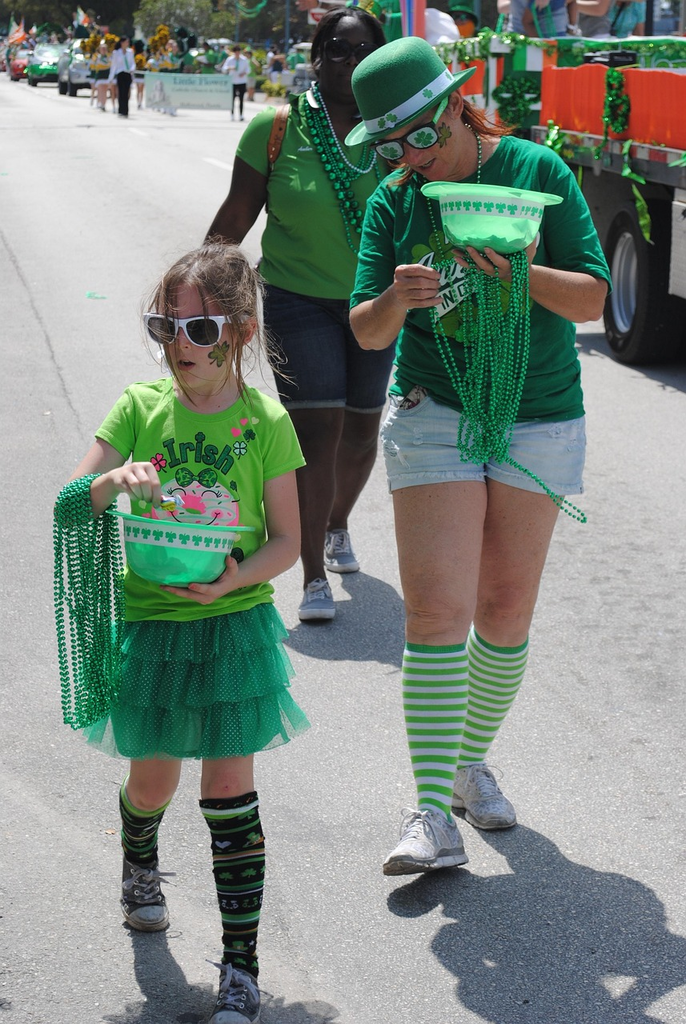
St. Patrick's Day, celebrated on March 17th, honors St. Patrick, the patron saint of Ireland. Originally a religious feast day, it commemorates St. Patrick’s death in the fifth century and his role in bringing Christianity to Ireland. Over time, it has evolved into a global celebration of Irish culture, featuring parades, music, wearing green, and public festivities, especially in Ireland and countries with large Irish communities.
Basic History of St. Patrick's Day+45
St. Patrick's Day, celebrated on March 17th, honors St. Patrick, the patron saint of Ireland. Originally a religious feast day, it commemorates St. Patrick’s death in the fifth century and his role in bringing Christianity to Ireland. Over time, it has evolved into a global celebration of Irish culture, featuring parades, music, wearing green, and public festivities, especially in Ireland and countries with large Irish communities.

💡 Key Takeaways
- Trace the origins of St. Patrick's Day as a feast day in Ireland and its evolution into a worldwide celebration.
- Explain who St. Patrick was and his role in introducing Christianity to Ireland.
- Describe how symbols such as the shamrock and the color green became associated with the holiday.
- Compare religious observances with secular celebrations across different countries and cultures.
❓ Frequently Asked Questions
What is St. Patrick's Day and when is it celebrated?
St. Patrick's Day is a feast day honoring Ireland's patron saint, Saint Patrick. It is celebrated on March 17 each year with religious services, parades, and festive activities around the world.
Who was Saint Patrick and why is he linked to Ireland?
Saint Patrick is believed to have introduced Christianity to Ireland in the 5th century and is regarded as Ireland's patron saint. Legends about him, such as using the shamrock to explain the Trinity, are part of the tradition.
Why is green associated with St. Patrick's Day?
Green is tied to Ireland's landscapes, the shamrock symbol, and the arrival of spring, making it a traditional color for decorations and attire on the day.
How is St. Patrick's Day celebrated around the world today?
Common celebrations include parades, Irish music and dancing, traditional foods and drinks, and cultural events. In some places, landmarks or rivers are dyed green to mark the occasion.