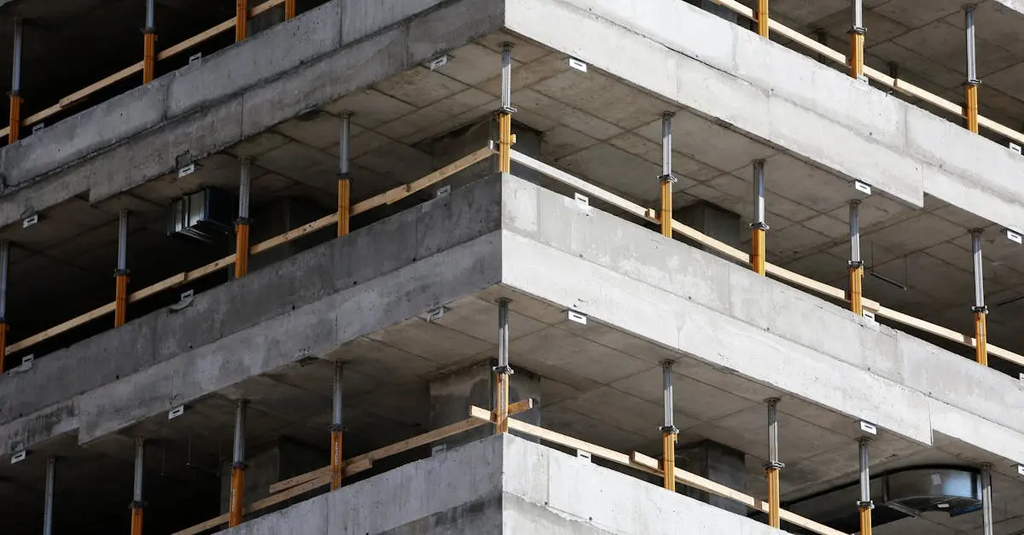
Basic Mechanical, Electrical, and Plumbing (MEP) Coordination in construction technology involves the organized planning and integration of mechanical, electrical, and plumbing systems within a building project. This process ensures that these systems do not clash spatially, function efficiently, and comply with design specifications. Effective MEP coordination minimizes installation conflicts, reduces costly rework, and enhances overall project quality by aligning system layouts, schedules, and technical requirements among various trades.
Basic Mechanical, Electrical, and Plumbing Coordination
Basic Mechanical, Electrical, and Plumbing (MEP) Coordination in construction technology involves the organized planning and integration of mechanical, electrical, and plumbing systems within a building project. This process ensures that these systems do not clash spatially, function efficiently, and comply with design specifications. Effective MEP coordination minimizes installation conflicts, reduces costly rework, and enhances overall project quality by aligning system layouts, schedules, and technical requirements among various trades.
💡 Key Takeaways
- Understand the purpose of MEP coordination and its impact on project outcomes.
- Identify common MEP clashes (mechanical, electrical, plumbing) and how to resolve them.
- Learn how clash detection and coordination drawings support early issue identification in BIM.
- Explain the roles and responsibilities of the MEP coordination team during design and construction.
❓ Frequently Asked Questions
What does basic MEP coordination involve?
It’s the process of planning and aligning mechanical, electrical, and plumbing systems so they fit within a building’s structure, meet codes, and avoid clashes.
What is clash detection in MEP coordination?
A BIM-driven check that finds where components from different systems overlap or interfere, allowing designers to adjust routes before construction.
Why is MEP coordination important for projects?
It reduces field changes, prevents costly rework, ensures proper clearances, and helps installers access spaces during commissioning.
What are common outputs of the MEP coordination process?
Coordinated 3D models, clash-free drawings, space verification, and installation sequences for contractors.
How can teams improve MEP coordination?
Involve disciplines early, use BIM for model-based coordination, hold regular coordination meetings, and standardize space and equipment layouts.