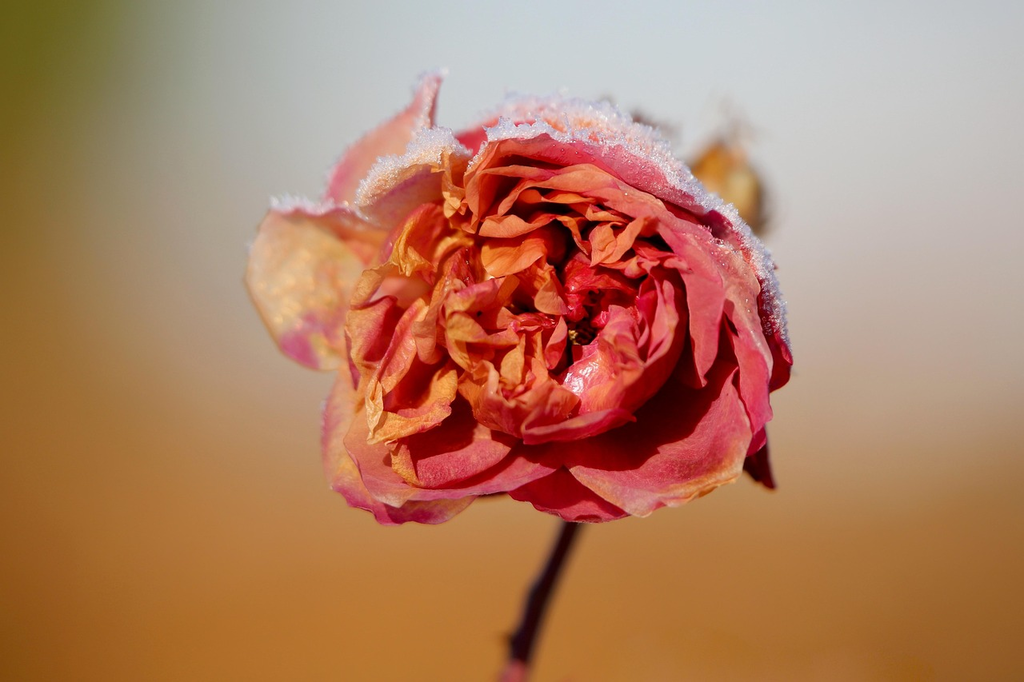
Basic rose diseases commonly affecting flower blooms such as roses and, to a lesser extent, lotuses, include black spot, powdery mildew, and botrytis blight. These diseases manifest as dark spots, white powdery coatings, or gray mold on petals and leaves, leading to weakened plants and poor bloom quality. Proper sanitation, adequate spacing, and timely fungicide application are essential for managing and preventing these issues, ensuring healthier and more vibrant flowers.
Basic Rose Diseases
Basic rose diseases commonly affecting flower blooms such as roses and, to a lesser extent, lotuses, include black spot, powdery mildew, and botrytis blight. These diseases manifest as dark spots, white powdery coatings, or gray mold on petals and leaves, leading to weakened plants and poor bloom quality. Proper sanitation, adequate spacing, and timely fungicide application are essential for managing and preventing these issues, ensuring healthier and more vibrant flowers.

💡 Key Takeaways
- Identify common rose diseases by symptoms (powdery mildew, black spot, rust, botrytis).
- Understand basic causes and conditions that promote infection (humidity, poor air circulation, overhead watering).
- Use simple cultural practices to prevent disease (proper pruning, spacing, watering at the base, sanitation).
- Know when and how to apply treatments and fungicides, and choose resistant varieties when possible.
❓ Frequently Asked Questions
What are common rose diseases?
Common rose diseases include black spot, powdery mildew, rust, and botrytis blight, which can cause leaf discoloration, spots, mildew, or mold on flowers.
How can I prevent rose diseases?
Choose resistant varieties, provide good air circulation, water at the base, mulch around plants, remove fallen leaves, and avoid overhead irrigation to reduce leaf wetness.
How do I treat black spot on roses?
Remove and dispose infected leaves, improve airflow around the plant, avoid wetting foliage, and apply a labeled fungicide at first signs, following directions for timing and frequency.
What is powdery mildew and how do I manage it?
Powdery mildew appears as a white powder on leaves and buds; manage by improving airflow, avoiding wet foliage, and applying a labeled fungicide such as sulfur-based products.