Epistemology is the branch of philosophy concerned with knowledge—its nature, sources, limits, and validity. It explores questions such as what knowledge is, how it is acquired, and how we can distinguish true beliefs from false ones. Key concepts include justification, belief, and truth. Epistemology also examines skepticism and the reliability of perception, reasoning, and testimony as means of gaining knowledge, forming the foundation for much of philosophical inquiry.
Basics of Epistemology
Epistemology is the branch of philosophy concerned with knowledge—its nature, sources, limits, and validity. It explores questions such as what knowledge is, how it is acquired, and how we can distinguish true beliefs from false ones. Key concepts include justification, belief, and truth. Epistemology also examines skepticism and the reliability of perception, reasoning, and testimony as means of gaining knowledge, forming the foundation for much of philosophical inquiry.
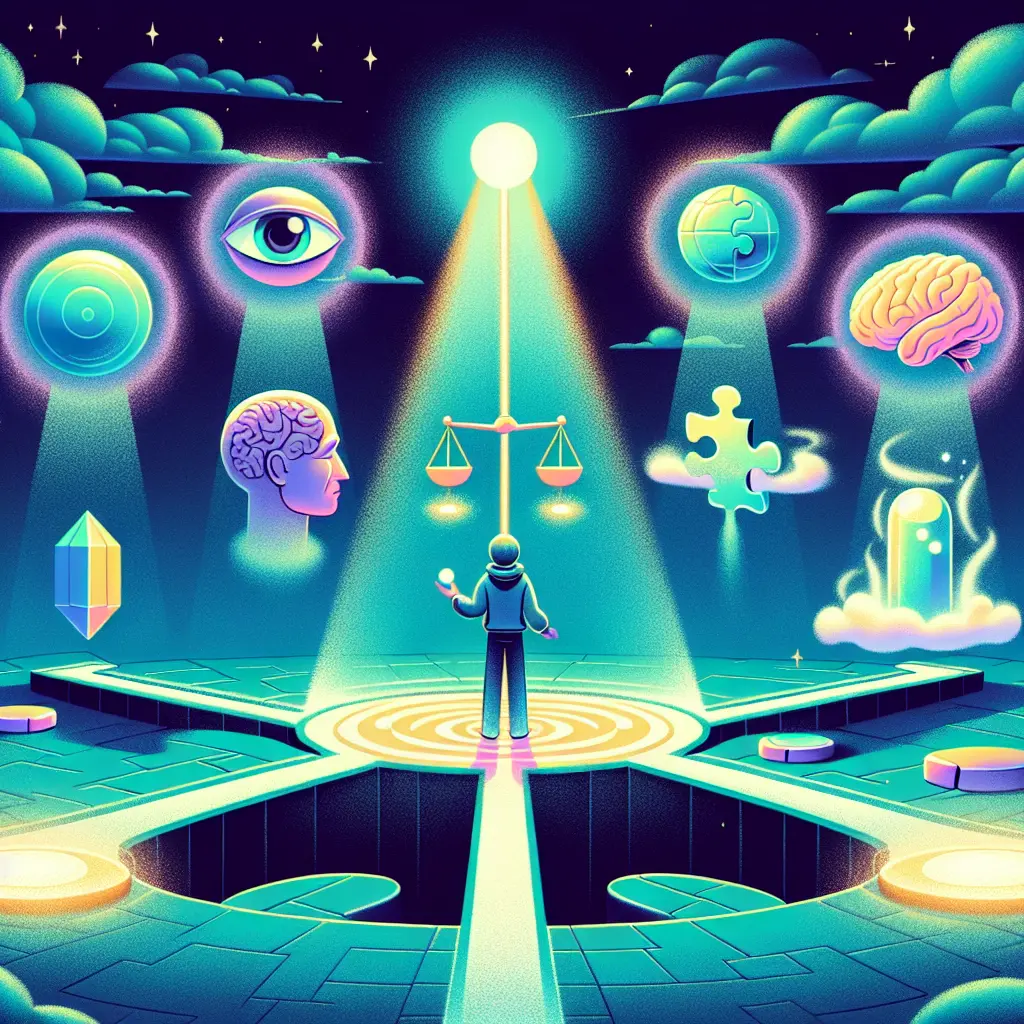
💡 Key Takeaways
- Define epistemology and its central questions about knowledge.
- Distinguish belief, justification, and knowledge, and how they relate.
- Identify common sources of knowledge (perception, reason, testimony) and how evidence supports claims.
- Understand the limits of knowledge, skepticism, and criteria for truth.
❓ Frequently Asked Questions
What is epistemology?
Epistemology is the branch of philosophy that studies knowledge: what it is, how we know things, where knowledge comes from, and its limits and validity.
What counts as knowledge?
Traditionally, knowledge is justified true belief: you must believe a proposition, it must be true, and you must have justification or evidence. Some problems (Gettier cases) show this isn’t always straightforward.
What are the main sources of knowledge?
Common sources include perception, reason, memory, testimony from others, and scientific inquiry; each source requires reliability and critical evaluation.
What is justification, and why does it matter?
Justification is the reasons or evidence that support a belief. It matters because it helps determine whether a belief is rational and likely to be true.
How do truth and belief relate to knowledge?
A belief is an attitude toward a proposition; truth is whether the proposition accurately reflects reality. Knowledge combines belief, truth, and justification.