Beginner plumbing repairs refer to simple maintenance tasks and fixes that individuals with little or no professional experience can perform at home. These repairs often include unclogging drains, fixing leaky faucets, replacing washers, or tightening loose pipes. With basic tools and guidance, beginners can address minor plumbing issues, helping to prevent further damage and save on repair costs. Safety precautions and proper instructions are essential for successful outcomes.
Beginner Plumbing Repairs
Beginner plumbing repairs refer to simple maintenance tasks and fixes that individuals with little or no professional experience can perform at home. These repairs often include unclogging drains, fixing leaky faucets, replacing washers, or tightening loose pipes. With basic tools and guidance, beginners can address minor plumbing issues, helping to prevent further damage and save on repair costs. Safety precautions and proper instructions are essential for successful outcomes.
💡 Key Takeaways
- Identify common beginner-friendly plumbing tasks you can safely tackle at home (leaks, washers, drains).
- Familiarize yourself with essential tools and safety practices for basic plumbing repairs.
- Learn practical, step-by-step methods to fix leaks (tighten fittings, replace washers, use plumber's tape) and unclog drains safely.
- Know when to call a professional and how to perform basic preventive maintenance to avoid future issues.
❓ Frequently Asked Questions
How do I fix a leaky faucet as a beginner?
Turn off the water supply, remove the handle, inspect and replace worn parts (washer or cartridge), reassemble, and test for leaks.
How can I unclog a drain safely without harsh chemicals?
Start with a plunger; for stubborn blockages, try a hand-crank drain snake; avoid chemical cleaners; after clearing, flush with hot water.
What basic tools should I have for beginner plumbing repairs?
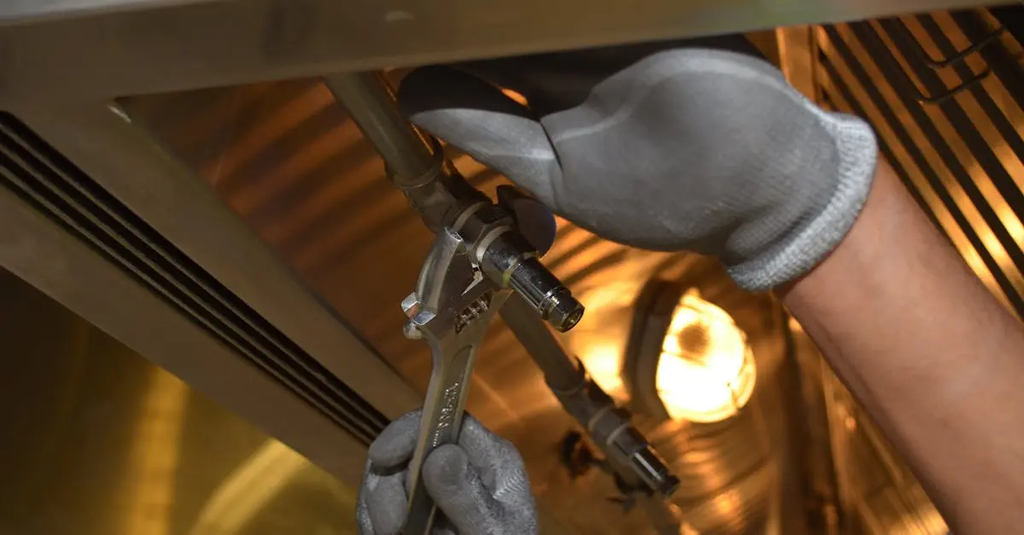
An adjustable wrench, slip-joint pliers, screwdrivers, Teflon tape, plumber’s putty or silicone sealant, a plunger, and a bucket with towels.
How do I shut off the water supply before starting repairs?
Use the shut-off valves under sinks or near toilets and turn clockwise until tight; if those are inaccessible or stuck, shut off the main house valve and reopen fixtures later.
When should I call a professional?
If leaks persist after basic fixes, involve hidden leaks or water damage, or you’re unsure how to proceed, seek a professional.