Bioart and Living Media refer to artistic practices that use living organisms, biological materials, or life processes as their medium. Artists in this field collaborate with scientists to create works involving genetics, tissue culture, microorganisms, or ecosystems. These artworks challenge traditional boundaries between art and science, prompting viewers to reflect on ethical, social, and philosophical questions about biotechnology, life manipulation, and humanity’s relationship with living systems.
Bioart and Living Media
Bioart and Living Media refer to artistic practices that use living organisms, biological materials, or life processes as their medium. Artists in this field collaborate with scientists to create works involving genetics, tissue culture, microorganisms, or ecosystems. These artworks challenge traditional boundaries between art and science, prompting viewers to reflect on ethical, social, and philosophical questions about biotechnology, life manipulation, and humanity’s relationship with living systems.
💡 Key Takeaways
- Bioart and living media are artworks that use living organisms or life processes as their medium.
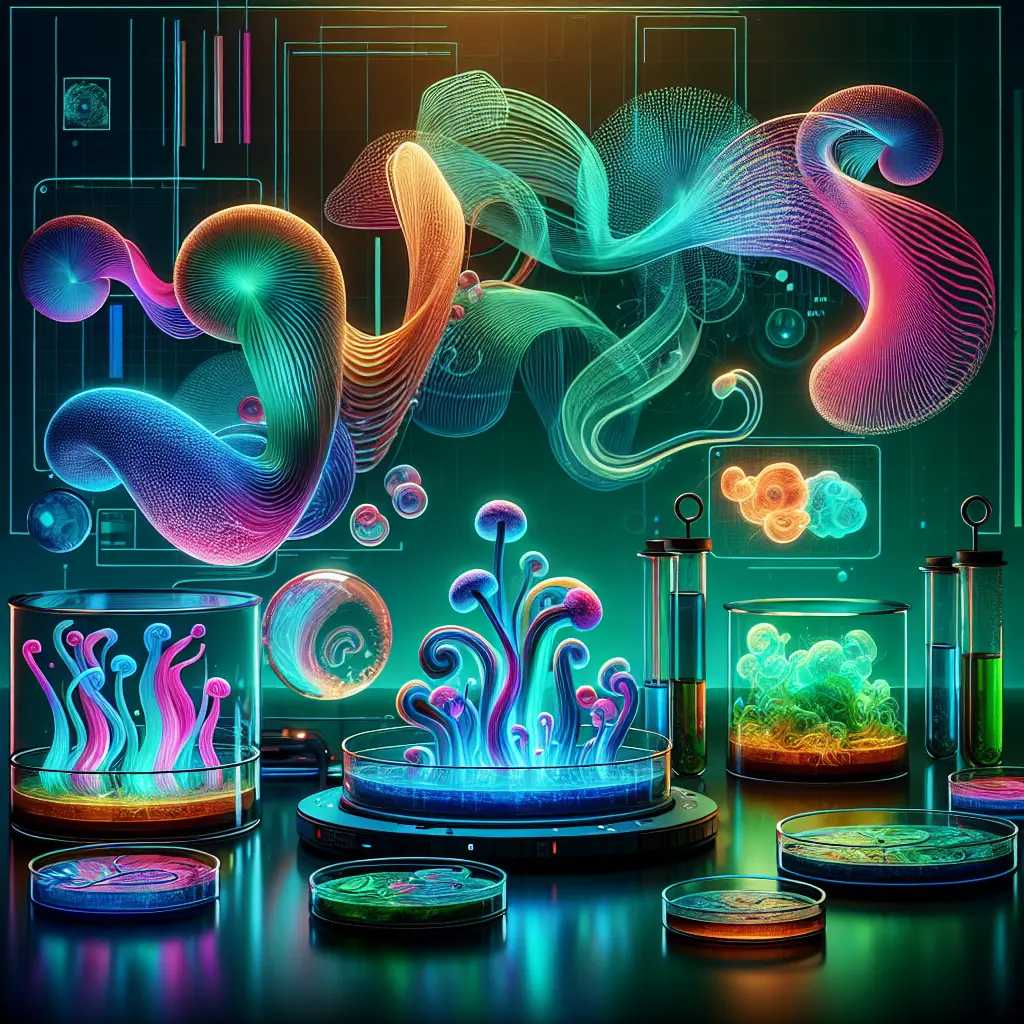
- Common materials and methods include genetics, tissue culture, microorganisms, and ecosystem-based projects.
- Artists often collaborate with scientists and researchers to create these works.
- Bioart challenges traditional art boundaries by raising ethical, safety, and societal questions about life, ownership, and responsibility.
❓ Frequently Asked Questions
What is bioart and living media?
Bioart uses living organisms, biological materials, or life processes as the artistic medium, often in collaboration with scientists to explore biology, ethics, and society.
What materials or processes are commonly used in bioart?
Artists may work with genetics, tissue culture, microorganisms, or ecosystems to create installations, sculptures, or performances that evolve over time.
What ethical and safety considerations apply to bioart?
Bioart requires biosafety, environmental responsibility, and, when relevant, human consent and institutional oversight to address potential risks.
How is a bioart project typically developed and shown?
Projects often involve collaboration with a research lab, adherence to safety protocols, and exhibitions that document how living artworks change over time.
Can you name examples of notable bioart artists or groups?
Examples include Eduardo Kac (GFP Bunny) and the SymbioticA research lab in Australia, with artists like Oron Catts and Ionat Gil working in living media.