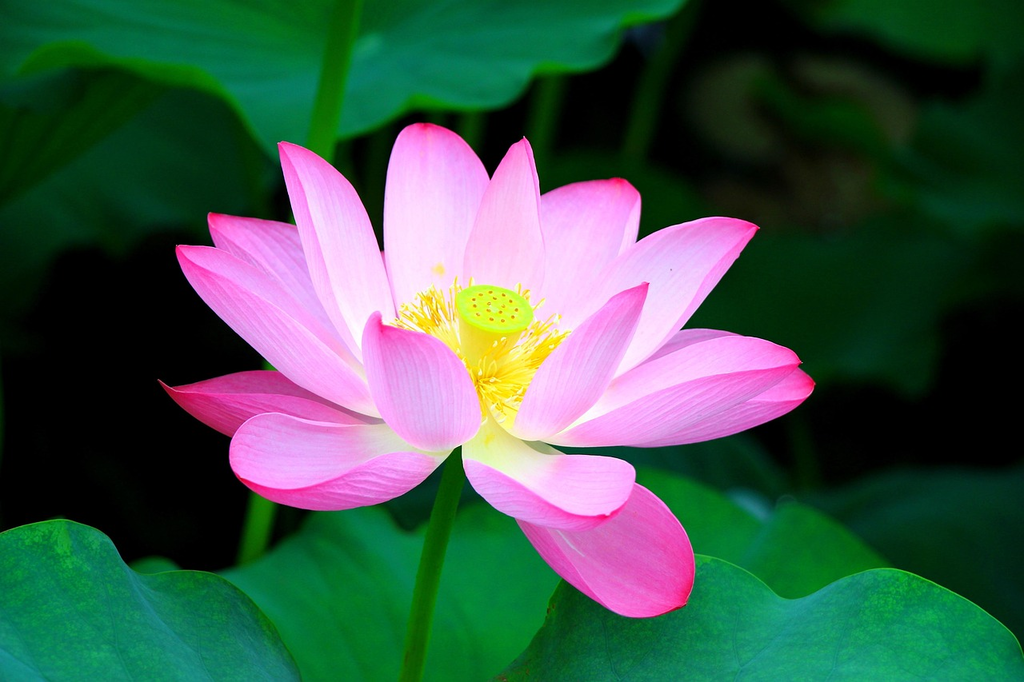
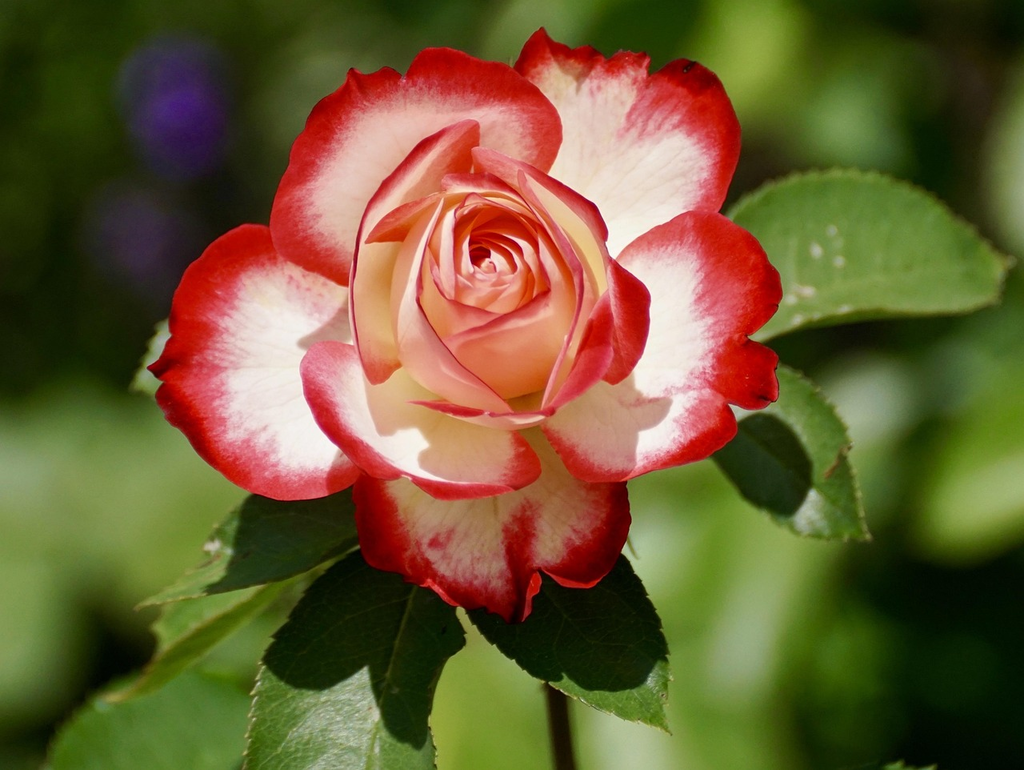
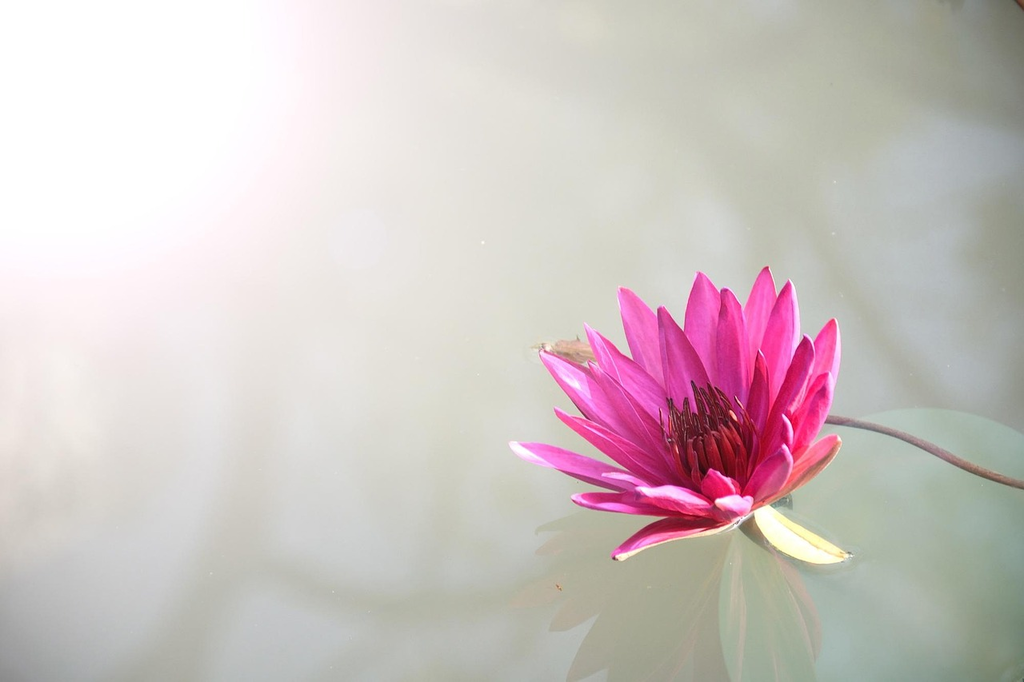
The biochemistry of lotus fragrance involves a complex blend of volatile organic compounds, including alcohols, esters, and terpenoids, responsible for its distinctive scent. Similar to roses, lotuses emit aromatic molecules like linalool, geraniol, and phenylethyl alcohol during blooming. These compounds are synthesized through intricate metabolic pathways in the flower’s tissues, attracting pollinators and providing species-specific floral signatures. Environmental factors and genetic makeup influence the exact bouquet of fragrances produced.
Biochemistry of Lotus Fragrance
The biochemistry of lotus fragrance involves a complex blend of volatile organic compounds, including alcohols, esters, and terpenoids, responsible for its distinctive scent. Similar to roses, lotuses emit aromatic molecules like linalool, geraniol, and phenylethyl alcohol during blooming. These compounds are synthesized through intricate metabolic pathways in the flower’s tissues, attracting pollinators and providing species-specific floral signatures. Environmental factors and genetic makeup influence the exact bouquet of fragrances produced.

💡 Key Takeaways
- Identify the main classes of volatile compounds that give lotus its characteristic fragrance and how scientists detect them.
- Describe the biosynthetic pathways and key enzymes involved in producing lotus fragrance compounds (e.g., terpenoids and related volatiles) in the plant.
- Explain how environmental factors and flower development stages affect lotus fragrance emission.
- Explore how lotus fragrance compounds are used in perfumery, flavor, and plant breeding or biotechnology applications.
❓ Frequently Asked Questions
What is the biochemistry behind lotus fragrance?
Lotus fragrance comes from volatile compounds produced in the flower's scent glands, mainly terpenoids (monoterpenes and sesquiterpenes) and aromatic volatiles formed by specialized enzymes; emission is regulated by gene expression and can be stored as glycosylated precursors.
Which chemical classes contribute to lotus scent?
The scent is primarily composed of terpenoids (monoterpenes and sesquiterpenes) and aromatic compounds from the phenylpropanoid pathway, along with oxygenated derivatives and other volatile products.
What biosynthetic pathways produce lotus fragrance compounds?
Terpenoids are produced via the mevalonate (MVA) and MEP/DOXP pathways, while aromatic volatiles come from the phenylpropanoid pathway; green volatiles can arise from fatty-acid–derived oxylipin pathways, with final aromas shaped by terpene synthases and related enzymes.
Why study the biochemistry of lotus fragrance?
Understanding lotus fragrance helps in breeding for scent strength, guides perfumery and flavor applications, and reveals ecological roles in pollinator attraction and plant defense.