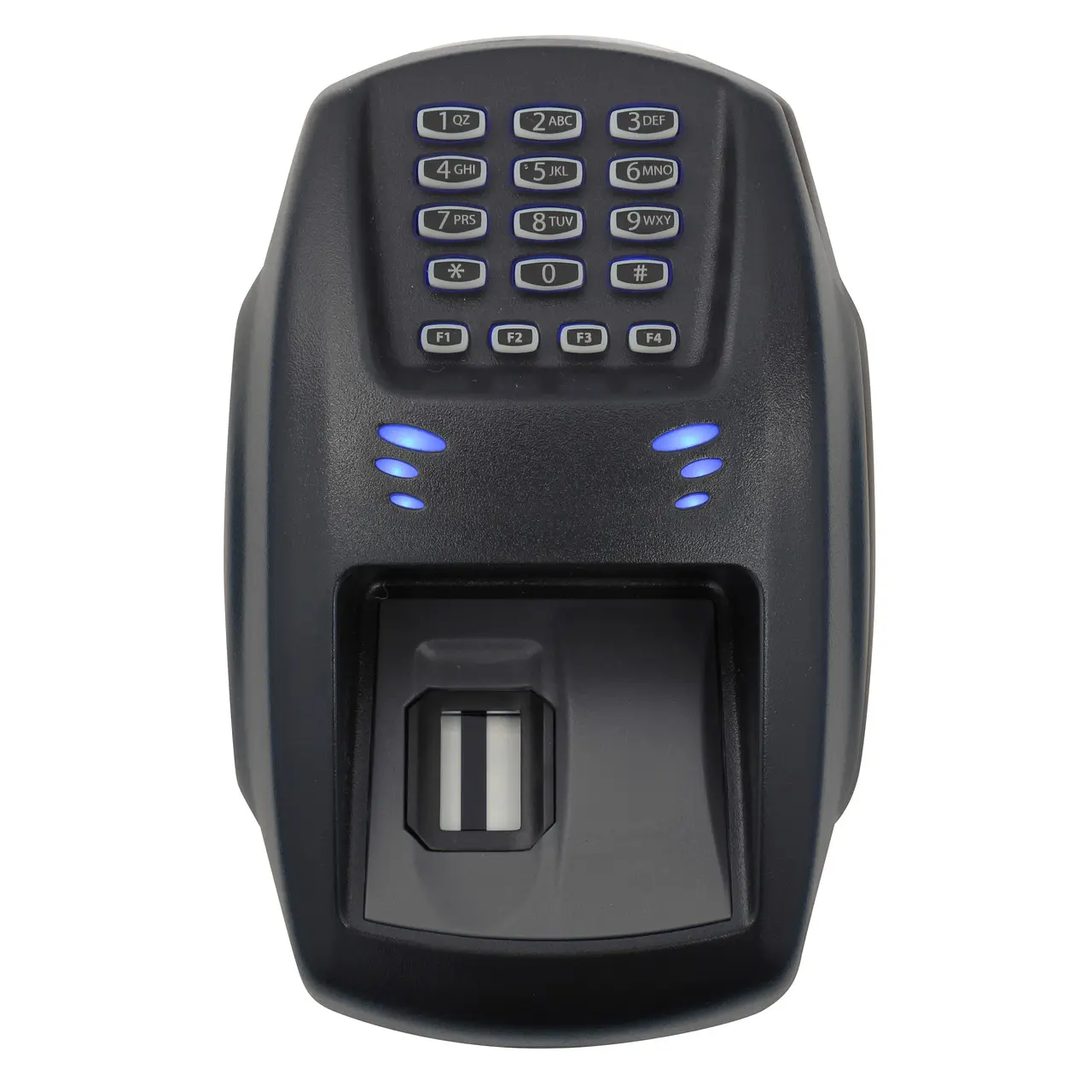
Biometric security systems use unique physical or behavioral characteristics—such as fingerprints, facial features, iris patterns, or voice recognition—to verify and authenticate individuals’ identities. These systems enhance security by making unauthorized access more difficult since biometric traits are difficult to replicate or steal. Commonly used in smartphones, secure facilities, and banking, biometric security systems offer convenience and improved protection compared to traditional password or PIN-based methods.
Biometric Security Systems
Biometric security systems use unique physical or behavioral characteristics—such as fingerprints, facial features, iris patterns, or voice recognition—to verify and authenticate individuals’ identities. These systems enhance security by making unauthorized access more difficult since biometric traits are difficult to replicate or steal. Commonly used in smartphones, secure facilities, and banking, biometric security systems offer convenience and improved protection compared to traditional password or PIN-based methods.
💡 Key Takeaways
- Learn how biometric modalities (fingerprint, facial recognition, iris patterns, and voice) are used to verify identity.
- Understand how biometric security systems improve access control and user convenience while noting limitations compared with passwords.
- Identify common vulnerabilities (spoofing, data breaches, false accept/reject rates) and the defenses (liveness checks, template protection, encryption, secure storage).
- Consider privacy, consent, and regulatory considerations for collecting, storing, and processing biometric data.
❓ Frequently Asked Questions
What is a biometric security system?
A system that uses unique physical or behavioral traits to verify or authenticate a person’s identity, using digital templates of the traits for comparison during access attempts.
Which traits are commonly used for biometric authentication?
Fingerprints, facial features, iris patterns, and voice recognition are common; others include palm prints, gait, typing dynamics, and vein patterns.
How do enrollment and verification work in these systems?
During enrollment, a trait sample is captured to create a secure template. Later, a live sample is captured and compared to the template; if similarity meets a threshold, access is granted.
What are the main limitations or security considerations?
Privacy concerns and the risk if templates are leaked, potential spoofing attacks, accuracy issues in certain conditions, and the need to securely store and manage biometric data.