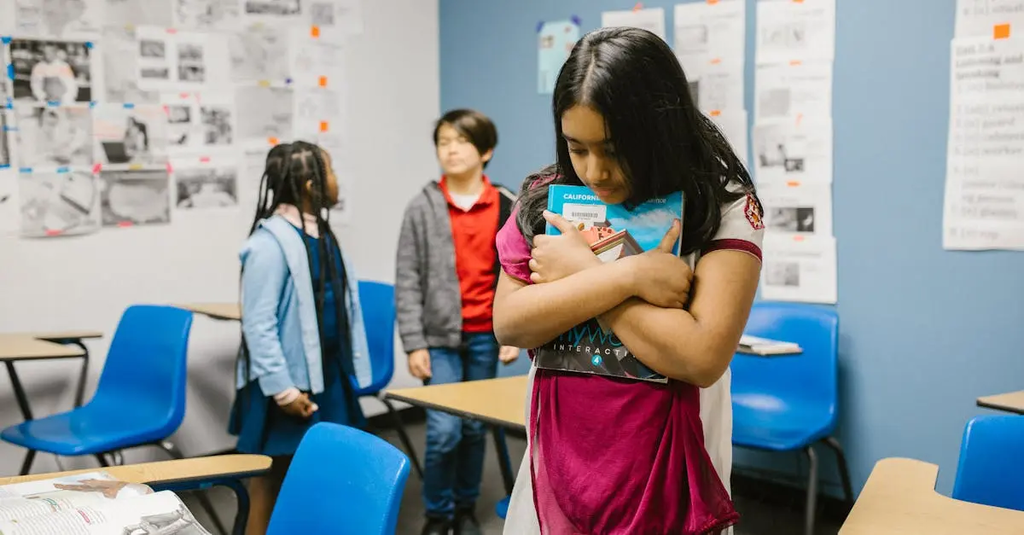
Blended families, also known as stepfamilies, are formed when partners bring children from previous relationships into a new family unit. These families often navigate unique dynamics, such as integrating different parenting styles, building relationships among step-siblings, and establishing new household routines. While blending families can present challenges, it also offers opportunities for growth, support, and the creation of strong, diverse family bonds that enrich the lives of all members involved.
Blended Families
Blended families, also known as stepfamilies, are formed when partners bring children from previous relationships into a new family unit. These families often navigate unique dynamics, such as integrating different parenting styles, building relationships among step-siblings, and establishing new household routines. While blending families can present challenges, it also offers opportunities for growth, support, and the creation of strong, diverse family bonds that enrich the lives of all members involved.
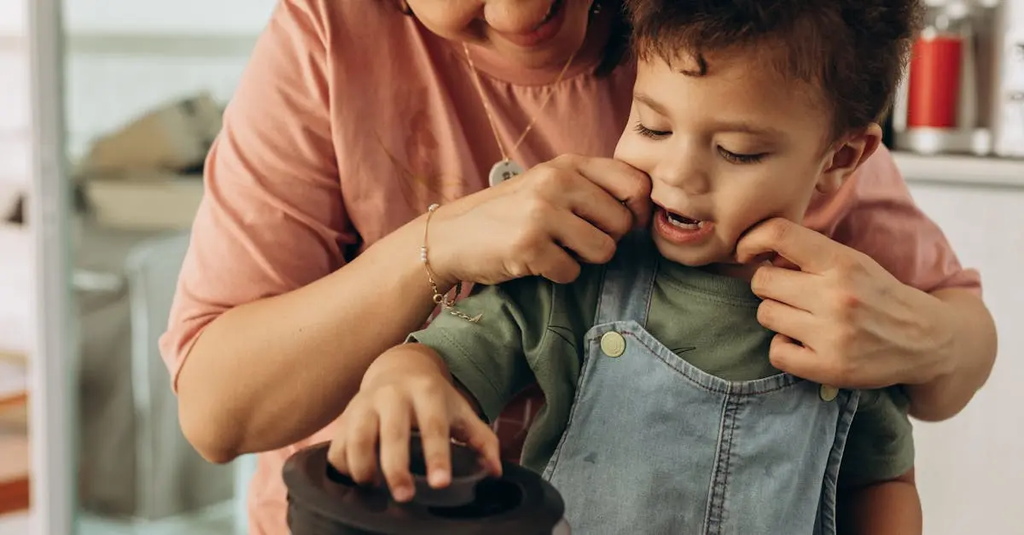
💡 Key Takeaways
- Understand the core dynamics of blended families and common challenges unique to stepfamilies.
- Learn strategies to integrate different parenting styles and align expectations across households.
- Build healthy relationships among step-siblings and foster family bonding.
- Establish routines, boundaries, and house rules to create stability in a blended family.
❓ Frequently Asked Questions
What is a blended family?
A family formed when two adults with children from previous relationships join households, creating stepparents and stepchildren.
What are common challenges in blended families?
Differences in parenting styles, establishing roles and routines, building bonds among step-siblings, and managing feelings of loyalty or loss.
How can families support kids adjusting to a blended family?
Validate emotions, keep communication open, maintain consistent routines, and give each child individual time and attention.
What are tips for integrating step-siblings and forming new family bonds?
Encourage shared activities, set clear rules, avoid favoritism, recognize each child’s strengths, and celebrate progress.
How should dating or new relationships affect a blended family?
Introduce partners gradually, involve children appropriately, and maintain stable routines and boundaries to protect kids’ well-being.