Bookbinding and handmade journals refer to the craft of assembling and securing written or blank pages into a cover, creating unique, often artistic books by hand. This process involves techniques such as stitching, gluing, and decorating covers with materials like leather, fabric, or paper. Handmade journals are valued for their individuality, craftsmanship, and personal touch, making them popular for writing, sketching, or gifting.
Bookbinding and Handmade Journals
Bookbinding and handmade journals refer to the craft of assembling and securing written or blank pages into a cover, creating unique, often artistic books by hand. This process involves techniques such as stitching, gluing, and decorating covers with materials like leather, fabric, or paper. Handmade journals are valued for their individuality, craftsmanship, and personal touch, making them popular for writing, sketching, or gifting.
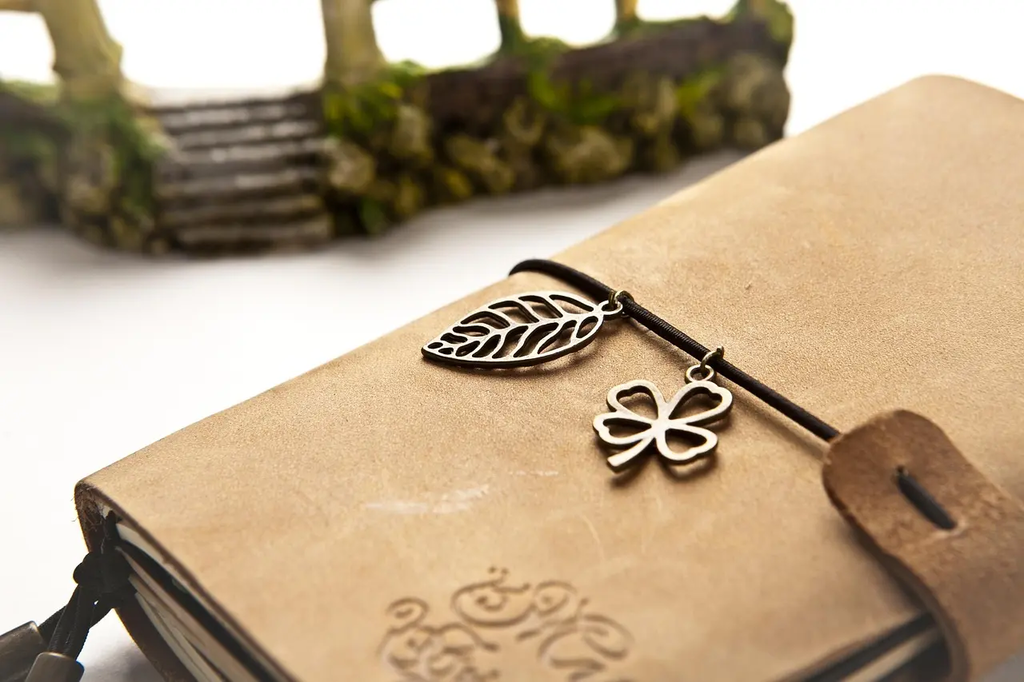
💡 Key Takeaways
- Identify common bookbinding techniques (stitching and gluing) and how they hold pages together.
- Compare cover materials (leather, fabric, paper) and their effect on durability and aesthetics.
- Describe the basic steps to make a handmade journal from preparing pages to adding a cover.
- Recognize simple decorative and finishing options used on handmade journals, such as stitching patterns and embellishments.
❓ Frequently Asked Questions
What is bookbinding?
The craft of assembling pages into a book and attaching a protective cover using sewing, gluing, and decorative finishes.
What are common techniques used in handmade journals?
Techniques include stitching signatures (e.g., pamphlet or kettle stitch), gluing, and attaching covers with materials like leather, fabric, or decorative paper.
What materials are typically used for handmade journal covers?
Leather, fabric, bookcloth, decorative paper, or a combination, often reinforced with boards and finished with embellishments.
How does a handmade journal differ from a mass-produced notebook?
Handmade journals are assembled by hand with stitched or glued bindings, unique covers, and often customizable sizes, while mass-produced notebooks are machine-bound, uniform, and cheaper.
What is a 'signature' in bookbinding?
A group of folded pages sewn together before binding, forming a section of the book's structure.